
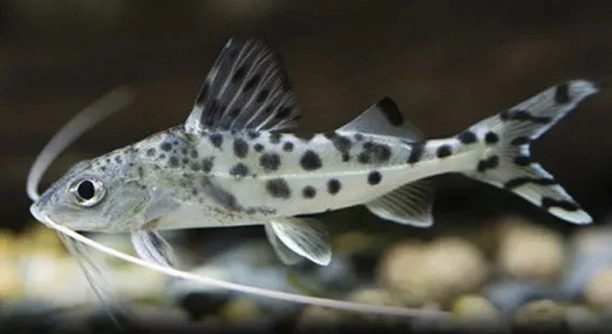
Is your Pictus catfish acting differently in its tank lately? Many owners may not realize that these lively fish can experience boredom. Recognizing the signs early helps maintain their health and well-being in a home environment.
Pictus catfish show boredom through changes in behavior such as reduced activity, loss of appetite, repetitive swimming patterns, hiding excessively, and diminished response to stimuli. Monitoring these behaviors is essential to ensure their mental and physical health.
Understanding these signs allows you to improve your catfish’s environment and enrich its daily life for better overall care.
Reduced Activity and Lethargy
When a Pictus catfish is bored, one of the first signs is reduced activity. These fish are naturally active swimmers, often exploring their tank or interacting with their environment. If you notice your catfish spending more time resting or staying in one spot without much movement, it could indicate boredom. This lack of stimulation makes them less interested in swimming or engaging with their surroundings. A bored catfish may also lose its usual curiosity and seem uninterested in food or tank mates. This behavior change can affect their overall health if left unaddressed. Providing a stimulating environment with hiding spots and varied decorations can help encourage movement and activity, keeping your catfish healthier and happier.
Consistent inactivity in your catfish can signal boredom and affect its well-being. Ensuring an enriched environment is key to preventing this behavior.
Adding plants, rocks, or driftwood can make the tank more interesting. These elements give the catfish places to explore and hide, which mimics their natural habitat. Changing tank decorations periodically can also help maintain their curiosity. Interaction with tank mates or introducing floating objects may stimulate activity. Monitoring their behavior and providing mental stimulation can reduce lethargy and improve their quality of life. Keeping the environment dynamic encourages natural swimming patterns and supports overall fish health.
Repetitive Swimming Patterns
Repetitive swimming in the same paths or circles is another clear sign of boredom in Pictus catfish. This behavior shows a lack of mental stimulation, where the fish seems to go through motions without purpose. It may swim back and forth along the tank walls or follow the same route continuously. This can indicate frustration or a need for environmental enrichment. Changing the tank setup or introducing new elements often interrupts this behavior. A varied environment helps keep the catfish engaged and reduces repetitive movements.
Repetitive swimming can signal that your catfish needs more stimulation. Introducing new elements in the tank encourages natural, varied behavior and improves mental health.
Hiding Excessively
When a Pictus catfish is bored, it may hide more than usual. This behavior is a sign of withdrawal from its environment and can indicate stress or lack of stimulation. Excessive hiding limits their activity and affects their overall well-being.
Hiding is a natural defense mechanism for Pictus catfish, but too much hiding suggests something is wrong. A bored catfish may stay under rocks, inside decorations, or in corners for long periods. Without enough stimulation, they lose interest in exploring and interacting with their environment. This can lead to health issues caused by inactivity and stress. Offering more hiding spots is good, but balance is important to encourage movement as well. Adjusting tank setup and adding varied enrichment can help your catfish feel more comfortable while staying active.
Keeping a balance between safe hiding places and open areas promotes natural behavior. Enrichment through environmental changes motivates your catfish to explore rather than retreat continuously. Monitoring this behavior will help maintain your catfish’s health and happiness.
Loss of Appetite
A bored Pictus catfish often shows a decreased interest in food. This can be a warning sign that the fish is not mentally stimulated and may be experiencing stress. Loss of appetite affects overall health and growth.
Appetite is a good indicator of a fish’s condition. When your catfish loses interest in eating, it may be feeling unengaged or stressed due to boredom. This behavior can cause weight loss and weaken their immune system. Offering varied and nutritious foods can help, but addressing environmental factors is also essential. Enriching the tank and maintaining a proper feeding schedule encourages a healthier appetite and more natural feeding behavior.
Introducing live or frozen foods, like bloodworms or brine shrimp, can increase interest in feeding. Feeding in small, frequent amounts may also stimulate appetite. Observing your catfish’s eating habits alongside its environment helps identify the root cause of appetite loss and prevents health decline.
Lack of Interaction
A bored Pictus catfish may stop responding to its environment. It shows little interest in other fish or changes around it. This lack of interaction can indicate mental dullness.
When the catfish does not engage with tank mates or ignore stimuli like tapping or feeding times, boredom could be the cause. Interaction helps keep them alert and active.
Increased Aggression
Sometimes boredom causes Pictus catfish to become more aggressive. They may nip at other fish or act territorial. This change in behavior can disrupt tank harmony.
Addressing boredom by improving their environment can reduce aggressive tendencies. Providing hiding places and space helps lower stress and promotes peaceful interactions.
Restlessness and Erratic Swimming
Restlessness shows when a Pictus catfish swims erratically or darts around the tank without settling. This can be a sign of boredom or stress. Restlessness often leads to wasted energy and potential injury, so observing this behavior is important for their health.
FAQ
How can I tell if my Pictus catfish is truly bored or just sick?
Boredom and illness can sometimes look similar in fish. Bored fish often show behaviors like repetitive swimming, hiding too much, or lack of interaction. Sick fish might have physical symptoms such as cloudy eyes, damaged fins, or unusual spots. Monitoring for physical changes alongside behavior can help differentiate boredom from sickness. If your catfish stops eating or looks unhealthy, consult a vet or aquatic specialist.
What are simple ways to reduce boredom in my Pictus catfish?
Adding decorations like plants, rocks, and driftwood creates hiding spots and exploration areas. Changing the tank setup occasionally keeps the environment interesting. Including tank mates that are compatible and active can also stimulate social behavior. Feeding varied diets and occasionally introducing live or frozen foods encourages natural hunting instincts and mental engagement.
Is it normal for Pictus catfish to be shy or hide a lot?
Pictus catfish naturally like to hide, especially during daylight since they are nocturnal. However, excessive hiding combined with inactivity or lack of response can indicate boredom or stress. Balance hiding places with open swimming areas to encourage activity and exploration, supporting their overall well-being.
How often should I change the tank decorations or setup?
Changing tank decorations every few weeks or months helps maintain your catfish’s interest. Small adjustments like moving plants, adding new hiding spots, or introducing different textures can stimulate curiosity without causing stress. Avoid drastic changes all at once, as this can frighten your fish.
Can boredom affect my catfish’s health?
Yes, boredom can lead to stress, which weakens the immune system and makes fish prone to disease. Reduced activity and loss of appetite due to boredom can cause weight loss and poor growth. Keeping your catfish mentally and physically stimulated is important for their long-term health.
What kind of tank mates are best for Pictus catfish?
Choose peaceful, similarly sized fish that enjoy similar water conditions. Avoid aggressive or very large species that may intimidate or harm your catfish. Good companions help keep your Pictus catfish active and socially engaged, reducing boredom.
How can I tell if my catfish’s swimming is repetitive or natural?
Natural swimming is varied and purposeful, often exploring different areas of the tank. Repetitive swimming usually follows the same paths or circles without variation. If your catfish repeatedly swims in a fixed pattern for long periods, it may indicate boredom or stress needing attention.
Are there specific foods that help reduce boredom?
Live or frozen foods like bloodworms, brine shrimp, and daphnia encourage hunting behavior, which stimulates your catfish mentally. Offering a mix of pellets, flakes, and occasional live foods creates feeding variety, keeping them interested and active.
Can lighting affect my Pictus catfish’s behavior?
Yes, Pictus catfish prefer dim lighting or shaded areas, as they are nocturnal. Bright lighting can cause stress and increase hiding. Using subdued or adjustable lighting helps mimic their natural environment and promotes normal activity patterns.
What should I do if my catfish shows signs of aggression due to boredom?
First, ensure the tank has enough space and hiding spots to reduce territorial behavior. Adding enrichment like plants or decorations helps distract and calm your fish. If aggression persists, review tank mates and environmental factors to identify possible stressors.
Final Thoughts
Understanding the signs of boredom in your Pictus catfish is important for maintaining its health and happiness. These fish are naturally active and curious, so changes in behavior like reduced activity, repetitive swimming, or excessive hiding can indicate boredom. Recognizing these signs early helps you take steps to improve their environment and prevent potential health issues related to stress or inactivity. A bored catfish is less likely to eat well and may show signs of aggression or restlessness, which can affect the balance of your aquarium.
Providing a stimulating environment is key to preventing boredom. Simple changes like adding plants, rocks, or driftwood create places for your catfish to explore and hide. Regularly adjusting the tank setup keeps things interesting and encourages natural behaviors. Including compatible tank mates can also provide social interaction that reduces boredom. Feeding a varied diet, including live or frozen foods, can engage your catfish mentally and physically. Small efforts to enrich your aquarium can make a significant difference in your catfish’s well-being.
It is important to observe your Pictus catfish regularly and respond to any changes in behavior. Maintaining good water quality and a stable environment supports their health alongside mental stimulation. If boredom signs persist despite enrichment, it may be helpful to consult with a fish care specialist to rule out health problems. Ultimately, a well-cared-for Pictus catfish will be more active, responsive, and healthier, providing a more enjoyable experience for you as an owner. Paying attention to their needs ensures a balanced and thriving aquarium.

Hello,
If you enjoy the content that we create, please consider saying a "Thank You!" by leaving a tip.
Every little bit helps us continue crafting quality advice that supports the health, happiness, and well-being of pets around the world, for pets of all shapes, sizes, and species.
We really appreciate the kindness and support that you show us!