
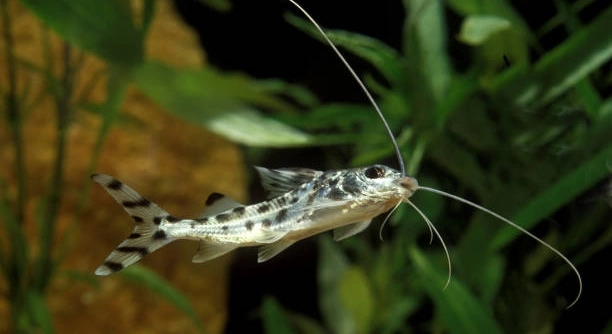
Pictus catfish are popular aquarium fish known for their active swimming and social nature. Sometimes, they may avoid certain corners of the tank, which can be puzzling for fish owners. Understanding their behavior helps ensure a healthy and comfortable environment for your pet.
The main reason a pictus catfish avoids one corner is often due to environmental factors such as poor water quality, lack of hiding spots, or uncomfortable tank conditions like strong currents or inappropriate lighting. These factors can cause stress and lead to avoidance behavior.
Learning about these causes can help improve your catfish’s well-being. Small changes in tank setup or water maintenance can make a big difference in how your fish behave and feel.
Common Environmental Reasons for Avoidance
Pictus catfish are sensitive to their surroundings. One common reason they avoid a corner is poor water quality. High ammonia, nitrite, or nitrate levels can make them uncomfortable and stressed. Another factor is the lack of hiding places. These fish prefer having shelters to retreat to when they feel threatened. Bright lighting or strong water currents in that corner may also drive them away. Sometimes, a new decoration or rough substrate can make the area less inviting. It is important to regularly test water parameters and ensure a stable environment. Adding plants, caves, or smooth decorations can provide safe spots for your catfish. Also, adjusting lighting or filter output near the corner might encourage your fish to explore more freely. Watching their behavior closely will help identify which environmental factor is causing the avoidance.
Monitoring tank conditions and providing comfort zones encourages natural behavior and reduces stress.
Making these adjustments will create a more welcoming space and improve your fish’s overall well-being.
How Tank Setup Influences Behavior
Tank setup plays a crucial role in pictus catfish behavior. Proper layout ensures the fish feel secure. These fish are nocturnal and prefer dim lighting, so bright or direct lights can cause them to avoid certain areas. Uneven substrate or sharp objects in the corner can also deter them. Additionally, filter flow should be moderate; strong currents in one area may push fish away. The size and shape of the tank influence swimming space, so a cramped corner might be less attractive. It is helpful to rearrange decorations occasionally to balance the environment. Providing hiding spots, such as caves or dense plants, encourages exploration and reduces anxiety. An ideal tank setup considers both comfort and natural instincts to keep pictus catfish active and healthy in all areas.
Stress and Health Issues
Stress affects pictus catfish behavior significantly. Illness or injury can cause them to avoid certain areas.
When pictus catfish feel unwell, they may hide or stay away from parts of the tank. Parasites, infections, or physical injuries can reduce their activity and cause corner avoidance. Stress from sudden changes in water temperature or quality also affects their health. Observing your fish for signs like clamped fins, loss of appetite, or unusual swimming patterns is important. If illness is suspected, testing water and consulting with an aquatic veterinarian can help address the problem. Maintaining a stable environment reduces the chance of stress-related avoidance.
Regular monitoring and early intervention support your catfish’s recovery and encourage normal behavior throughout the tank.
Lighting and Temperature Factors
Lighting impacts where pictus catfish spend their time. Too much light can make them avoid brightly lit corners. These fish prefer dimmer, shaded areas that mimic their natural habitat. Providing adjustable lighting or floating plants can create preferred shady spots and reduce stress.
Temperature fluctuations also affect behavior. Pictus catfish thrive in stable temperatures between 72-79°F (22-26°C). Sudden changes or temperatures outside this range cause discomfort, making them avoid certain corners. Using a reliable heater and thermometer helps maintain consistent conditions. Proper lighting and temperature control improve fish comfort and promote even tank exploration.
Water Flow and Filtration
Strong water flow can push pictus catfish away from certain corners. They prefer gentle currents that allow easy swimming and resting. Adjusting the filter output can help create a more comfortable environment.
Proper filtration keeps water clean but should not create turbulence. Balancing flow encourages the fish to explore the entire tank without stress.
Tank Mates and Social Behavior
Pictus catfish are social but can be shy with aggressive tank mates. Stress from bullying or competition may cause them to avoid specific corners. Choosing peaceful companions and providing hiding spots reduces conflict and encourages natural behavior.
Feeding Areas
Pictus catfish often associate certain tank areas with feeding. If food is regularly placed away from one corner, they may avoid it. Changing feeding spots can encourage exploration and use of the entire tank.
Substrate and Decoration Choices
Rough or sharp substrates in one corner may deter pictus catfish. Smooth gravel or sand is preferred to protect their delicate barbels and fins. Adjusting substrate and decorations makes the area more inviting.
FAQ
Why is my pictus catfish hiding in one corner?
Pictus catfish often hide in one corner due to stress, illness, or environmental discomfort. Poor water quality, strong currents, or bright lighting may make that area less inviting. They also seek hiding spots when feeling threatened or unwell. Ensuring stable water parameters and providing shelters helps reduce hiding behavior.
Can poor water quality cause my pictus catfish to avoid a corner?
Yes, poor water quality is a common cause. High levels of ammonia, nitrites, or nitrates create a toxic environment, causing fish to avoid affected areas. Testing water regularly and performing proper maintenance, like partial water changes, supports healthy fish behavior.
How does tank setup affect my pictus catfish’s corner preference?
Tank setup influences where pictus catfish feel comfortable. Bright lights, strong filter currents, or rough substrates in one corner may cause avoidance. Adding plants, caves, or smooth decorations creates shelter and reduces stress, encouraging fish to explore more of the tank.
Could temperature changes make my pictus catfish avoid a corner?
Temperature fluctuations can cause discomfort and stress. Pictus catfish prefer stable temperatures between 72-79°F (22-26°C). Sudden drops or rises in temperature might lead them to avoid certain tank areas. Using a reliable heater and thermometer ensures a stable environment.
Is aggressive tank behavior a reason for corner avoidance?
Aggressive or territorial tank mates can stress pictus catfish, making them seek refuge in one corner. Peaceful companions and enough hiding spaces reduce conflict and encourage normal swimming patterns.
Does lighting impact my pictus catfish’s tank behavior?
Yes, bright lighting can make pictus catfish avoid exposed or well-lit corners. These fish prefer dimmer or shaded areas that resemble their natural habitat. Using adjustable lighting or floating plants can help create suitable shaded spots.
Can illness cause my pictus catfish to isolate in one corner?
Illness often causes fish to hide and reduce movement. Signs like clamped fins, loss of appetite, or unusual swimming may accompany this behavior. Identifying and treating illnesses early by maintaining water quality and seeking veterinary advice helps recovery.
How important is water flow for pictus catfish comfort?
Water flow is very important. Pictus catfish prefer gentle currents. Strong water flow can tire them and push them away from certain tank areas. Adjusting filter output to create a calm environment helps keep them active and relaxed.
Will changing feeding locations encourage my pictus catfish to explore?
Yes, placing food in different areas encourages movement and exploration. Pictus catfish often associate feeding spots with safety and comfort. Varying feeding locations prevents corner avoidance and stimulates natural foraging behavior.
What substrate is best to prevent corner avoidance?
Smooth gravel or sand is best. Rough or sharp substrates can irritate the delicate barbels and fins of pictus catfish, causing them to avoid those areas. A soft substrate creates a comfortable environment for resting and foraging.
How can I help my pictus catfish feel safe in all corners?
Create hiding places using plants, caves, or decorations evenly throughout the tank. Keep water quality high, maintain stable temperature and lighting, and monitor tank mates’ behavior. Regular maintenance and observation are key to preventing avoidance and encouraging natural activity.
Final Thoughts
Understanding why your pictus catfish avoids one corner of the tank can help improve its overall health and comfort. This behavior is often a sign that something in that area is not ideal for the fish. It could be related to water quality, lighting, temperature, tank setup, or social factors. By carefully observing your fish and checking these factors, you can identify the cause and make necessary adjustments. Keeping the tank clean and stable is one of the best ways to ensure your pictus catfish feels secure and active in all areas.
Creating a welcoming environment involves more than just good water conditions. Providing hiding spots and gentle water flow encourages your fish to explore and reduces stress. Soft substrates and proper decorations prevent injuries and discomfort. Watching your pictus catfish’s behavior regularly can help catch early signs of illness or stress, allowing for timely action. Small changes, like moving the filter output or adjusting lighting, can make a significant difference in how your fish use the tank space.
Taking care of pictus catfish requires attention to both their physical and social needs. Stress from aggressive tank mates or sudden changes in environment should be minimized. Ensuring a stable, calm, and well-structured tank helps your fish thrive. By understanding and addressing the reasons behind corner avoidance, you can create a better habitat that supports natural behavior and long-term health. Your efforts will result in a happier, more active pictus catfish enjoying every corner of its home.

Hello,
If you enjoy the content that we create, please consider saying a "Thank You!" by leaving a tip.
Every little bit helps us continue crafting quality advice that supports the health, happiness, and well-being of pets around the world, for pets of all shapes, sizes, and species.
We really appreciate the kindness and support that you show us!