
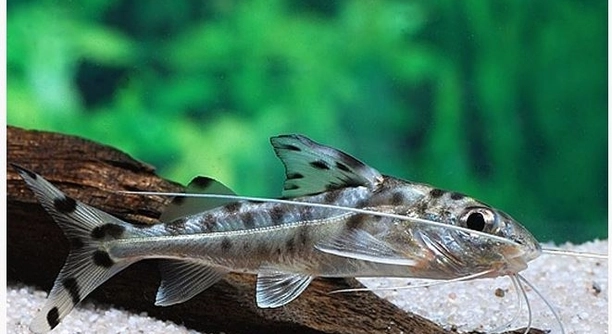
Pictus catfish are popular freshwater fish known for their active and curious behavior. Many aquarium owners enjoy watching these fish explore their environment. Encouraging them to move around helps keep them healthy and engaged.
To encourage pictus catfish to explore, provide a varied tank layout with hiding spots, proper lighting, and stable water conditions. Introducing live plants and occasional enrichment activities also stimulates their natural curiosity and activity levels.
These simple adjustments can make a noticeable difference in your catfish’s behavior and overall well-being. Understanding how to create an inviting space is key for their exploration habits.
Create a Natural Environment
Pictus catfish feel more comfortable and motivated to explore when their tank resembles their natural habitat. Adding a substrate of smooth gravel or sand allows them to dig and search for food naturally. Incorporate hiding places like caves, driftwood, or dense plants where they can retreat when needed. These areas make the tank feel safer, encouraging the fish to swim around more confidently. Avoid overcrowding the tank with decorations, as this can limit their swimming space and reduce activity. Keep the water clean and well-oxygenated to support their energy levels. Regular maintenance, such as partial water changes, will help maintain water quality, which is essential for their health. Lighting should mimic their natural environment, with moderate brightness during the day and dimmer light in the evening. This setup supports their natural rhythms and keeps them active.
Proper care of the tank environment directly impacts the catfish’s willingness to explore and move throughout the space.
Making your tank feel like home for your pictus catfish creates a sense of security. When they feel safe, they are more likely to swim freely and display natural behaviors. Watching them navigate through hiding spots or sift through the substrate can be very rewarding.
Offer Varied Food Options
Offering different types of food encourages pictus catfish to explore their surroundings. These fish are opportunistic feeders and will be more active when searching for food. Try alternating between sinking pellets, live or frozen bloodworms, and small pieces of vegetables like cucumber or zucchini. Scattering food around the tank rather than placing it all in one spot promotes movement. You can also hide food inside plants or decorations to stimulate their natural foraging instincts. Feeding small amounts multiple times a day keeps them interested and encourages regular activity. Avoid overfeeding, as this can reduce their motivation to explore. Healthy feeding habits contribute to overall vitality, which reflects in their energy levels and curiosity.
Introducing food variety and foraging challenges makes your catfish more engaged and lively in their tank environment.
Maintain Stable Water Conditions
Stable water conditions are essential for pictus catfish to feel comfortable and active. Sudden changes can stress them, causing them to hide or become less curious.
Regularly monitor water parameters like temperature, pH, and ammonia levels. Pictus catfish thrive in temperatures between 72°F and 79°F, with a pH around 6.5 to 7.5. Consistent water quality supports their health and encourages movement. Avoid sudden changes during water changes by matching the new water to tank conditions. Using a reliable filtration system helps keep the water clean and clear. Stress from poor water quality can lead to lethargy or illness, which reduces exploration.
Keeping water stable means less stress and more activity. When the environment is predictable, catfish feel safer to swim and explore. Consistency creates a healthy, stimulating tank that supports their natural behaviors.
Introduce Tank Mates Carefully
Choosing the right tank mates can influence how much your pictus catfish explore. Avoid aggressive or overly active fish that may intimidate them. Ideal companions include peaceful species that share similar water needs.
Careful selection prevents stress and territorial disputes, which can limit movement. Introducing new fish slowly allows everyone to adjust to the shared space. Monitor interactions closely during the first few weeks to ensure harmony. A calm tank environment promotes natural behaviors and encourages pictus catfish to venture out more often.
A peaceful community tank supports the catfish’s curiosity and exploration. When tank mates are compatible, the catfish will feel more confident and less threatened, leading to increased activity and enjoyment of their environment.
Provide Gentle Lighting
Pictus catfish prefer moderate lighting that mimics their natural habitat. Too bright light can make them shy and less likely to explore.
Use dimmable or indirect lighting to create a comfortable environment. Adjust the light gradually to avoid startling the fish and promote natural activity.
Use Enrichment Tools
Enrichment tools like floating plants, tunnels, or safe toys can stimulate your catfish’s curiosity. These additions encourage movement and exploration throughout the tank.
Changing the layout occasionally keeps the environment interesting and prevents boredom. Small, safe changes make a big difference in their daily activity.
Monitor Behavior Regularly
Watching your catfish’s behavior helps identify if they are comfortable and active. Signs of stress include hiding or inactivity.
Regular observation allows timely adjustments to the tank setup or care routine to support their health and exploration habits.
FAQ
Why is my pictus catfish not exploring much?
There are several reasons why a pictus catfish might stay hidden or seem inactive. Stress is a common cause, often triggered by poor water quality, sudden changes in temperature, or an overcrowded tank. Lack of hiding spots or too much bright light can also make them feel unsafe. Additionally, if the fish is new to the tank, it might need time to adjust before becoming more active. Illness or injury can reduce movement, so always check for signs like unusual spots or lethargy. Ensuring a stable environment, proper diet, and appropriate tank setup will help encourage exploration.
How often should I feed my pictus catfish to keep them active?
Feeding small amounts two to three times daily works well for pictus catfish. Frequent, moderate feedings stimulate their natural foraging behavior and keep them motivated to move around the tank. Avoid overfeeding, as leftover food can pollute the water and reduce their interest in exploring. Offering varied foods like sinking pellets, frozen bloodworms, or vegetables keeps their diet balanced and engaging. Scatter the food in different tank areas to encourage activity and exploration.
Can pictus catfish live with other fish?
Yes, pictus catfish are generally peaceful and do well with calm, non-aggressive tank mates. Ideal companions include species like tetras, rasboras, and peaceful gouramis. Avoid keeping them with large or aggressive fish that may bully or outcompete them. Introducing tank mates slowly helps reduce stress and establishes a balanced community. Watch interactions closely during the first few weeks to ensure everyone is comfortable. A peaceful tank promotes natural behaviors and encourages your catfish to explore more confidently.
What type of substrate is best for encouraging exploration?
A soft substrate like sand or smooth gravel is best for pictus catfish. They like to sift through the substrate to find food, which encourages natural digging behavior. Rough or sharp gravel can harm their delicate barbels, so avoid those types. A natural-looking substrate combined with scattered decorations provides both interest and safe areas to explore. Keeping the substrate clean with regular vacuuming supports their health and activity.
How important are hiding spots in the tank?
Hiding spots are very important for pictus catfish to feel secure. They are nocturnal and shy by nature, so caves, dense plants, or driftwood give them places to retreat when stressed or resting. Without hiding spots, the fish may stay hidden more often, limiting their exploration. Well-placed shelters reduce stress and encourage confident swimming and activity during the day. Changing or adding new hiding places occasionally keeps their environment interesting.
Should I change the tank layout often to keep my pictus catfish active?
Occasional changes to the tank layout can stimulate your catfish’s curiosity and encourage exploration. Moving decorations or adding new plants introduces novelty that can reduce boredom. However, frequent or drastic changes may cause stress, so do this gradually and not too often. Observe how your catfish reacts to changes and adjust accordingly. A balance between stability and variety keeps the tank environment engaging without overwhelming your fish.
What water parameters support the best activity levels?
Pictus catfish thrive in water temperatures between 72°F and 79°F (22°C to 26°C). They prefer slightly acidic to neutral pH levels, around 6.5 to 7.5. Maintaining low ammonia and nitrite levels is essential for their health and activity. Using a reliable filtration system and performing regular water changes keeps water quality high. Stable water parameters prevent stress and promote natural behaviors like exploring and foraging.
Can lighting affect my pictus catfish’s behavior?
Yes, lighting plays a significant role in their activity. Bright or harsh light can cause stress and make them hide more. Moderate, indirect lighting mimics their natural environment and encourages daytime activity. Providing shaded areas with floating plants or decorations helps them feel safe. Gradually adjusting the lighting during the day and dimming it in the evening supports their natural rhythm and increases their willingness to explore.
Creating a comfortable and engaging environment for your pictus catfish is key to encouraging their natural curiosity and activity. These fish respond well to tanks that mimic their natural habitat, with soft substrates, hiding spots, and moderate lighting. Keeping water conditions stable and clean supports their health and reduces stress, which is essential for them to feel safe enough to explore. Small changes, like adding new decorations or varying their food, can also motivate them to be more active without overwhelming them.
Understanding the needs of pictus catfish helps create a balanced and enjoyable aquarium. Offering a variety of foods and scattering it around the tank encourages their natural foraging behavior. Choosing peaceful tank mates and introducing them carefully helps maintain a calm environment where the catfish can swim freely. Observing their behavior regularly allows you to notice signs of discomfort or illness early, so you can make timely adjustments. These efforts contribute to a healthier, more dynamic tank where your catfish can thrive.
Encouraging pictus catfish to explore takes patience and attention, but it is rewarding to see them active and engaged. Their behavior can be improved by simple steps such as providing proper hiding places, maintaining stable water parameters, and offering enrichment. Each tank is different, so it is important to adapt these tips to fit your specific setup. With time and care, your pictus catfish will become more confident and lively, making your aquarium a more interesting and enjoyable space.

Hello,
If you enjoy the content that we create, please consider saying a "Thank You!" by leaving a tip.
Every little bit helps us continue crafting quality advice that supports the health, happiness, and well-being of pets around the world, for pets of all shapes, sizes, and species.
We really appreciate the kindness and support that you show us!