
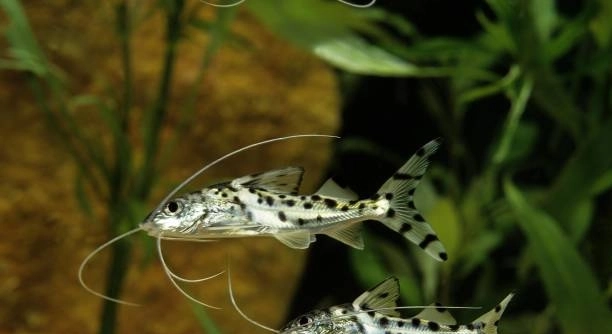
Is your Pictus catfish growing fast but you’re not quite sure if it’s reached its adult size yet? You’re not alone. Many fish owners find it tricky to tell when their Pictus is fully grown.
A Pictus catfish is considered fully grown when it reaches around 4 to 5 inches in length, typically between 8 to 12 months of age. Growth can slow significantly after this point, depending on diet and tank conditions.
From growth patterns to subtle behavior changes, these signs can help you better understand your catfish and its development over time.
Size and Growth Timeline
Most Pictus catfish reach their full size of 4 to 5 inches within 8 to 12 months. This growth rate can vary slightly depending on diet, tank size, water quality, and stress levels. If your Pictus is over a year old and hasn’t grown much in recent months, it’s likely fully grown. These fish tend to grow quickly at first, then slow down once they reach maturity. A healthy diet of high-protein foods, such as sinking pellets and frozen bloodworms, supports steady growth. Clean water and ample swimming space also make a big difference. Overcrowded tanks or poor filtration can limit how large your fish grows. Once fully grown, Pictus catfish often display more settled behavior and may even claim certain hiding spots as their own.
Watch for a plateau in growth. If your Pictus hasn’t changed in size for a few months and appears active, it’s likely reached full maturity.
Although some believe these fish can reach 6 inches, this is uncommon in a home aquarium. Most stay closer to the 4.5-inch mark. If your catfish looks slim and underdeveloped, check its diet and tank conditions. On the other hand, if your Pictus has filled out and moves confidently through the tank, it’s likely reached adulthood. You might also notice it becoming less erratic in its swimming patterns and more deliberate in how it navigates its space. These subtle behavioral changes are common signs of a fully grown fish. If you’re unsure, comparing your fish to reliable size references or photos online can help. Keep in mind that a properly grown Pictus has a firm body, clear barbels, and consistent color.
Fins and Body Shape
When a Pictus is fully grown, its fins appear more defined and proportional to the rest of its body. The fish should look balanced and strong.
Fully grown Pictus catfish have a sleek, muscular body that tapers toward the tail, with large, flowing pectoral and dorsal fins. Their whisker-like barbels should be long and unbroken, often reaching past their pectoral fins. A well-developed Pictus tends to swim with control and confidence, not in a frantic or jittery way. As they grow, their bodies fill out, giving them a more solid and less fragile look. If your fish still appears thin or disproportionate, it may not be done growing. It’s also worth noting that healthy adult Pictus catfish will display vibrant patterns, with their signature silver base and dark spots standing out more clearly. If you notice this, along with steady size and calm movement, it’s a good indication your Pictus is fully matured.
Behavior and Activity Level
A fully grown Pictus catfish tends to be less restless than a younger one. It still moves around a lot, especially at night, but its swimming becomes more controlled and steady instead of fast and erratic.
Young Pictus catfish often dart around the tank quickly and unpredictably. As they mature, their behavior shifts. Fully grown Pictus are still active, but they tend to explore their surroundings more deliberately. You might notice them patrolling specific areas or staying in favored hiding spots during the day. They also become more responsive to feeding routines and interact more with tank mates in a calmer way. These changes in behavior are signs that your fish has reached adulthood. If your Pictus still acts frantic or constantly hides, it may still be growing or adjusting to its environment.
At night, a mature Pictus will stay active but move in smoother, more confident patterns. Younger fish often race around without clear direction, while older ones cruise steadily across the tank floor or through plants. You might also see your adult Pictus resting more during the day, which is normal. As they grow, they often become less startled by movement around the tank. If your Pictus shows this calmer, more predictable activity level, it’s a strong sign that it’s fully grown and comfortable in its setup.
Appetite and Feeding Response
Adult Pictus catfish tend to have a steadier appetite than growing ones. They eat regularly but not as aggressively, especially once they’ve settled into a routine and reached their full size.
Younger Pictus catfish are often more eager during feeding, quickly grabbing food and swimming fast to catch sinking pellets or frozen treats. As they grow, this urgency starts to slow down. A fully grown Pictus will still eat with interest, but the pace becomes more measured. It usually approaches food calmly and may even wait for it to settle at the bottom before eating. You’ll also notice more consistent feeding behavior rather than the unpredictable hunger spikes seen in juveniles. Overfeeding at this stage can cause health issues, so it’s important to monitor portions. A full-grown Pictus will thrive on scheduled feedings and a balanced mix of protein and fiber-rich foods, keeping its weight and energy levels in check.
Interaction With Tank Mates
Fully grown Pictus catfish are more predictable in how they behave around other fish. They may still be a little territorial at times but generally stay peaceful if tank mates are compatible and space is adequate.
Younger Pictus often bump into other fish or chase them playfully. Mature ones show more awareness and avoid unnecessary interaction.
Skin Patterns and Color
As a Pictus catfish reaches full size, its skin becomes more vibrant and distinct. The silver base shines more clearly, and the dark spots appear sharper. A dull or uneven pattern often means the fish is still developing or under stress. You might also notice the contrast in the spots becomes more defined, especially under good lighting. Fully grown fish often keep this clarity unless something in the tank causes stress or illness. A clear, smooth body with consistent patterns is a reliable sign of good health and maturity in your Pictus.
Whisker Length
A full-grown Pictus catfish typically has long, healthy barbels that extend past its pectoral fins. If they appear short or damaged, it may still be growing or experiencing stress from poor water quality.
FAQ
How long does it take for a Pictus catfish to fully grow?
Most Pictus catfish reach their full size between 8 to 12 months. Growth can slow significantly after this period, though some individuals might take a bit longer depending on diet and tank conditions. Proper nutrition and a clean, spacious tank help speed healthy growth.
Can a Pictus catfish grow larger than 5 inches?
In home aquariums, Pictus catfish usually max out around 4 to 5 inches. While some reports mention slightly larger sizes, this is uncommon in captivity. Factors like genetics, tank size, and diet influence their maximum size, but most will not exceed this range.
What are signs my Pictus is still growing?
If your Pictus catfish continues to gain length and weight steadily, with a slimmer or less defined body shape, it is probably still growing. Rapid, erratic swimming and high activity levels are common in younger fish. A dull or uneven skin pattern may also indicate development.
How can I support my Pictus’s growth?
Feed a high-protein diet including sinking pellets, bloodworms, and occasional live foods. Maintain excellent water quality with regular changes and filtration. Provide enough swimming space and avoid overcrowding to reduce stress and encourage growth.
Does tank size affect Pictus growth?
Yes, smaller tanks can stunt growth. Pictus catfish need room to swim and grow. A minimum of 30 gallons is recommended for a single adult, with more space needed for multiple fish. Crowding causes stress and limits development.
Why is my Pictus catfish not growing despite good care?
Genetics may limit growth for some fish. Additionally, unseen stressors like poor water parameters, improper diet, or illness can slow development. Check water quality carefully and observe for signs of disease or injury that might affect growth.
Is it normal for a fully grown Pictus to be less active?
Yes, adult Pictus catfish usually show calmer, more controlled swimming patterns. They still explore and feed actively but avoid frantic or random movements common in juveniles. Some rest periods during the day are normal too.
Can Pictus catfish regrow damaged barbels?
Barbels can regrow if damaged or shortened due to stress or injury. Healthy water conditions and a balanced diet support this recovery. Persistent damage or poor water quality may prevent full regrowth.
How do I know if my Pictus catfish is healthy and mature?
Look for a sleek, muscular body with well-defined fins and long barbels. Skin patterns should be clear and vibrant. Behavior should be steady and calm, with consistent feeding habits and no signs of stress like hiding or erratic swimming.
What is the best diet for a fully grown Pictus?
A balanced diet with high-quality sinking pellets, frozen or live bloodworms, and occasional vegetables helps maintain health. Avoid overfeeding and feed in small, controlled amounts to prevent obesity and water pollution.
How important is water quality for Pictus growth?
Water quality is crucial. Poor water conditions cause stress, illness, and stunted growth. Regular testing, water changes, and good filtration ensure a healthy environment for your catfish to grow properly.
Can Pictus catfish live peacefully with other fish when fully grown?
Generally, yes. Adult Pictus are less aggressive and can coexist peacefully with compatible tank mates. Avoid keeping them with overly aggressive or much larger fish that may stress or harm them.
How often should I feed a fully grown Pictus catfish?
Feeding 1-2 times daily with measured portions works well. Avoid leftover food that can foul the tank. Feeding routine helps maintain steady energy levels and overall health.
What are common mistakes that affect Pictus growth?
Common issues include overcrowding, poor water quality, irregular feeding, and inadequate diet. Stress from sudden changes or incompatible tank mates also hinders growth. Consistent care and proper environment are key.
Can stress delay or stop Pictus growth?
Yes, stress from poor water conditions, aggressive tank mates, or frequent handling can impact growth. Stress weakens immune function and reduces appetite, slowing development. Providing a calm and stable environment promotes healthy growth.
When it comes to knowing if your Pictus catfish is fully grown, paying attention to its size, behavior, and physical features is key. These fish usually reach their adult size around 4 to 5 inches after about 8 to 12 months. Watching for a steady size over several months and calmer, more controlled swimming can help confirm maturity. Fully grown Pictus tend to have clearer skin patterns, longer whiskers, and a more balanced body shape. Understanding these signs will help you provide the best care for your fish as it moves from a growing juvenile into a healthy adult.
Providing the right environment plays a big role in helping your Pictus reach its full potential. Clean water, a proper tank size, and a nutritious diet are all important. Crowded tanks or poor water quality can stunt growth and cause stress, which impacts your fish’s health. Feeding your Pictus a variety of high-protein foods, like sinking pellets and frozen bloodworms, supports steady growth and maintains energy. It’s also important to avoid overfeeding, which can lead to water problems and health issues. Keeping a close eye on your fish’s behavior and physical condition can alert you to any problems early.
Finally, remember that each Pictus catfish is a little different. Some may grow a bit faster or slower depending on their genetics and environment. Don’t worry if your fish doesn’t look exactly like pictures you’ve seen online. Instead, focus on whether it seems healthy, active in a calm way, and is eating well. By providing consistent care and paying attention to your fish’s needs, you’ll help your Pictus thrive throughout its life. Watching your catfish grow and settle into its adult size can be a rewarding experience for any fish owner.

Hello,
If you enjoy the content that we create, please consider saying a "Thank You!" by leaving a tip.
Every little bit helps us continue crafting quality advice that supports the health, happiness, and well-being of pets around the world, for pets of all shapes, sizes, and species.
We really appreciate the kindness and support that you show us!