
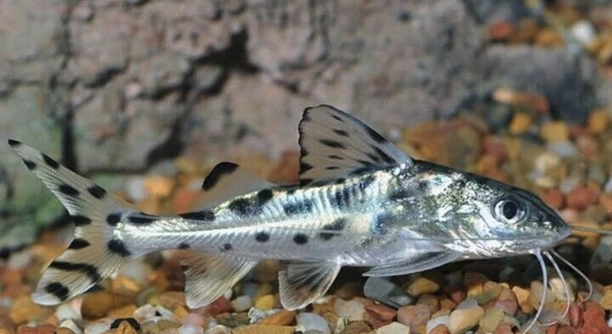
Is your Pictus catfish suddenly breathing faster than usual? This behavior can be worrying for fish owners who want their pets to stay healthy and happy. Many factors can cause this change in breathing patterns.
Rapid breathing in Pictus catfish is often a sign of stress, poor water quality, low oxygen levels, or illness. Monitoring water parameters and ensuring a clean environment are essential to address the root cause and support the fish’s health.
Knowing what affects your catfish’s breathing will help you act quickly and keep your tank safe. This article explains key reasons behind fast breathing and how to handle them properly.
Common Causes of Fast Breathing in Pictus Catfish
Fast breathing in Pictus catfish usually points to problems in their environment or health. One of the main reasons is poor water quality. If the water is dirty or has high levels of ammonia, nitrites, or nitrates, the fish may struggle to breathe. Low oxygen levels in the tank can also cause rapid gill movement, especially if the tank is overcrowded or poorly aerated. Stress from sudden changes, like new tank mates or water temperature shifts, can affect their breathing too. Sometimes, infections or parasites can irritate their gills, making it hard to get enough oxygen. Paying close attention to these factors can help keep your catfish calm and breathing normally.
Regular water testing is key to spotting issues early. Keeping the tank clean and well-oxygenated will prevent many problems that cause fast breathing.
Understanding these common causes helps you maintain a healthy home for your Pictus catfish. By monitoring water conditions and the fish’s behavior, you can take quick action to improve their comfort and health.
How Water Quality Affects Breathing
Poor water quality reduces oxygen availability. Waste buildup harms the fish’s gills.
Testing water parameters often ensures a safe environment. Clean water is vital for proper breathing and overall health.
Signs of Stress and Illness in Pictus Catfish
Stress and illness often show in behavior and appearance before breathing changes become severe. Watch for signs like hiding more than usual, loss of appetite, or unusual swimming patterns. Physical changes such as clamped fins, red or inflamed gills, or white spots can indicate infections or parasites affecting breathing. When a fish is stressed, its immune system weakens, making it more vulnerable to disease. Temperature fluctuations or incompatible tank mates add to stress. Quick identification of these signs helps prevent serious health problems. Sometimes, a simple change like improving water quality or separating aggressive fish reduces stress and restores normal breathing. In more severe cases, medication may be needed to treat infections or parasites. Careful observation combined with prompt action is essential to help your Pictus catfish recover and thrive.
How to Improve Oxygen Levels in Your Tank
Adding an air stone or increasing water movement helps raise oxygen levels. Avoid overcrowding your tank to keep oxygen sufficient.
Proper aeration is crucial for your Pictus catfish’s breathing. Air stones or bubbler filters increase surface agitation, allowing more oxygen to dissolve in water. Additionally, regular water changes keep oxygen levels stable by removing waste that consumes oxygen. Avoid overstocking the tank, as too many fish compete for limited oxygen, stressing all inhabitants. Keeping plants trimmed also helps, since decaying plants use oxygen at night. Maintaining good oxygenation supports your fish’s health and reduces rapid breathing caused by oxygen shortage.
Monitoring dissolved oxygen is helpful if you have advanced equipment. Simple improvements often make a big difference in your catfish’s comfort and breathing patterns.
Treating Illness and Parasites
Illnesses or parasites often require specific treatment to help your catfish breathe better. Medications for gill parasites or bacterial infections can be effective.
If your Pictus catfish shows signs of infection or parasite infestation, treatment should be prompt. Gill parasites irritate the respiratory system and make breathing difficult. Using antiparasitic medications recommended for freshwater fish can clear these infections. Bacterial infections affecting the gills might need antibiotics designed for aquarium use. Quarantining sick fish prevents spreading disease. Maintaining clean water reduces risks of illness. Consult with a vet or specialist to choose the right medicine and dosage. Proper treatment not only improves breathing but also helps the fish regain strength and vitality.
Tank Temperature and Breathing Rate
Temperature changes affect how fast your Pictus catfish breathes. Warmer water holds less oxygen, making breathing harder.
Keeping water temperature stable between 72°F and 78°F helps your catfish breathe comfortably. Sudden shifts can stress the fish, causing rapid breathing. Use a reliable heater and thermometer to maintain steady conditions.
Importance of Regular Tank Maintenance
Regular cleaning and water changes remove harmful waste and keep oxygen levels steady. This prevents breathing issues caused by poor water quality.
Avoiding Overcrowding
Too many fish in one tank cause stress and reduce oxygen availability. Keep your tank properly stocked for healthier breathing.
Monitoring Your Catfish’s Behavior
Watch for changes in activity or breathing as early signs of trouble. Early attention helps prevent serious health problems.
FAQ
Why is my Pictus catfish gasping at the surface?
Gasping at the surface usually means low oxygen levels in the tank. The surface has more oxygen, so fish go there to breathe easier. Check your water quality and increase aeration if needed. Adding an air stone or improving filter flow can help raise oxygen. Also, avoid overcrowding, which reduces oxygen availability for all fish.
Can poor water quality cause fast breathing in my catfish?
Yes, poor water quality is a common cause. High levels of ammonia, nitrites, or nitrates irritate fish gills, making breathing difficult. Dirty water can also carry harmful bacteria or parasites. Regular water changes and testing keep conditions safe and stable, helping your catfish breathe normally.
Is rapid breathing always a sign of illness?
Not always. Rapid breathing can result from stress, poor water conditions, or changes in temperature. However, if it continues and is paired with other symptoms like clamped fins, loss of appetite, or abnormal swimming, illness may be the cause. Observing other signs helps decide if treatment is needed.
How often should I check my tank’s water parameters?
For a healthy tank, test water weekly, especially ammonia, nitrite, nitrate, and pH levels. Frequent checks help spot problems before they worsen. If you notice your fish breathing fast, test right away. Keeping water stable prevents many health issues in Pictus catfish.
Can temperature changes affect my catfish’s breathing?
Yes, temperature changes impact oxygen levels and metabolism. Warmer water holds less oxygen, causing faster breathing. Sudden shifts also stress fish. Maintain stable temperatures between 72°F and 78°F with a heater and thermometer to keep your catfish comfortable.
What should I do if I suspect my catfish has parasites?
Look for signs like scratching against objects, inflamed gills, or white spots. Parasites affect breathing and cause stress. Treat with antiparasitic medications safe for freshwater fish. Quarantine sick fish to avoid spreading parasites. Keep water clean to reduce infection risks.
Is overcrowding harmful to my Pictus catfish?
Yes, overcrowding stresses fish and lowers oxygen. Too many fish compete for space and resources, increasing disease risk. Keep your tank properly stocked based on size and filtration capacity. A balanced environment supports normal breathing and health.
How do I know if my catfish is stressed?
Stress signs include hiding, rapid breathing, loss of appetite, or erratic swimming. Stress weakens immunity, making fish prone to illness. Identify stress sources like poor water, aggressive tank mates, or sudden changes. Addressing these factors helps your catfish breathe easier and feel secure.
Can improving aeration fix fast breathing issues?
Improving aeration often helps if low oxygen causes fast breathing. Adding air stones, increasing filter output, or adjusting water flow boosts oxygen. Make sure surface agitation is enough for good gas exchange. Aeration alone won’t solve other problems like illness or parasites but is essential for healthy fish.
When should I seek professional help for my catfish?
If breathing problems persist despite water quality improvements and basic treatments, consult a vet or aquarium specialist. Persistent rapid breathing combined with physical signs like damaged fins or swelling indicates serious health issues needing professional diagnosis and care. Early help increases chances for recovery.
When your Pictus catfish starts breathing fast, it can be worrying. This behavior usually means the fish is having trouble getting enough oxygen or is under stress. Many times, fast breathing happens because of something in the tank environment that needs fixing. It could be poor water quality, low oxygen levels, temperature changes, or even illness. Paying attention to how your fish behaves and the condition of your tank will help you find the cause. Taking quick action to improve the water or treat health issues can make a big difference in your catfish’s comfort and well-being.
Keeping your tank clean and well-maintained is one of the best ways to prevent fast breathing in your Pictus catfish. Regular water testing, water changes, and ensuring proper aeration help maintain healthy conditions. Avoiding overcrowding is also important, as too many fish in one tank reduce oxygen levels and increase stress. If you notice signs of illness, such as clamped fins, unusual spots, or a loss of appetite, it’s important to act quickly. Using the right medications or isolating sick fish can stop the problem from getting worse. Remember, small changes in the tank can have a big impact on your fish’s health.
Your Pictus catfish depends on you to create a safe and stable home. Understanding why fast breathing happens and knowing how to respond keeps your fish healthy and happy. Even if the problem isn’t serious, keeping an eye on your catfish and tank conditions is key. With careful care and attention, your catfish will have a better chance to live a long, comfortable life. Taking steps to improve water quality, oxygen levels, and reduce stress will help your fish breathe normally again.

Hello,
If you enjoy the content that we create, please consider saying a "Thank You!" by leaving a tip.
Every little bit helps us continue crafting quality advice that supports the health, happiness, and well-being of pets around the world, for pets of all shapes, sizes, and species.
We really appreciate the kindness and support that you show us!