
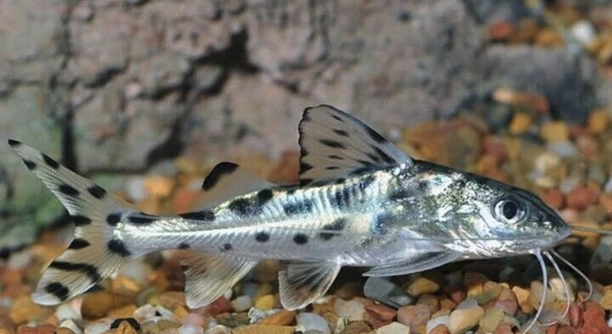
Is your Pictus catfish acting differently or looking unwell even though everything seems fine at first glance? Subtle signs in the tank could point to something more serious going on with the water quality.
Poor water quality affects Pictus catfish by causing stress, erratic swimming, loss of appetite, and weakened immune response. Ammonia spikes, low oxygen levels, or high nitrate concentrations are often the root of these health and behavior issues.
Knowing what to look for can help you catch these problems early and keep your Pictus catfish healthy and active.
Cloudy or Murky Water
Cloudy water in your tank can be one of the first signs that something isn’t right. It’s usually caused by a buildup of waste, uneaten food, or bacterial blooms. This kind of water puts stress on Pictus catfish, as they rely on clean, well-oxygenated water to stay active and healthy. When the water is murky, oxygen levels can drop, making it hard for them to breathe. Over time, the cloudy conditions can lead to sickness or even shorten their lifespan. Regular water changes, proper filtration, and feeding only what your fish can eat in a few minutes can help keep the tank clear. It’s also important to test water regularly for ammonia, nitrite, and nitrate levels. These changes may seem small, but they make a big difference. If your fish seem to be hiding more, breathing heavily, or less active, cloudy water might be part of the problem.
Cloudy water usually points to poor maintenance, overfeeding, or not enough filtration. Fixing these can quickly improve your catfish’s health.
A well-maintained filter and careful feeding are key to preventing murky water. Aim for weekly water changes and use a gravel vacuum to clean the bottom. Staying consistent with tank care keeps your Pictus catfish safe.
Unusual Swimming Patterns
Strange swimming behaviors often signal water problems. If your Pictus catfish swims in circles, gasps at the surface, or stays in one spot, something may be wrong.
These behaviors can be tied to poor water quality, especially if toxins like ammonia or nitrites are present. Pictus catfish are fast swimmers by nature, so sudden stillness or frantic movements are worth noticing. High ammonia levels burn their gills and reduce their ability to breathe, which often causes them to move toward the surface for oxygen. Low oxygen levels in the water can also make them act restless or sluggish. Make sure your tank is properly aerated and that filters are working as they should. A sudden change in behavior isn’t just random—it’s your fish trying to tell you that the water isn’t safe. Always test the water when you see something unusual and take quick action. Clean water helps your Pictus catfish stay active, comfortable, and healthy.
Loss of Appetite
When Pictus catfish stop eating, it’s often a reaction to stress caused by poor water conditions. Even if they seem fine otherwise, a lack of appetite should never be ignored.
Ammonia or nitrite spikes can irritate their gills and digestive system, making eating uncomfortable. Even slightly elevated levels can lead to sluggish behavior and loss of interest in food. Low oxygen levels, pH imbalances, or sudden temperature changes can also disrupt their feeding patterns. A fish that once eagerly ate may suddenly swim past food or hide. It’s best to test the water as soon as you notice a change. Correcting water conditions can usually restore their appetite within a few days. Always remove uneaten food to prevent waste from further affecting water quality. Feeding smaller amounts more frequently can help reduce stress and improve water conditions at the same time.
If they refuse food for more than two days, it’s a clear sign something’s wrong in the tank. Frequent testing and observation help you spot these issues early. Keeping a stable environment with the right pH, temperature, and oxygen levels goes a long way. Make gradual adjustments, avoid overfeeding, and watch how they respond after each fix. Their behavior will guide you to the source of the problem.
Gasping at the Surface
If your Pictus catfish is spending time near the surface, gasping for air, it likely means the water lacks oxygen. This usually happens in tanks with poor circulation or when waste buildup lowers oxygen levels too much.
Check for dead spots in the tank where water doesn’t move well. Lack of aeration, dirty filters, or overcrowding can make it harder for oxygen to reach all areas. Adding an air stone or adjusting your filter’s output can improve circulation and help your fish breathe easier.
Faded Color
Pictus catfish often lose their color when they’re stressed by water quality issues. Poor conditions like high ammonia, low oxygen, or sudden temperature swings can dull their natural markings. It’s a sign they’re not thriving. Regular testing helps you catch problems early. Stable water conditions bring back their healthy look.
Scratching Against Objects
If your Pictus catfish rubs against rocks or tank walls, they may be reacting to something irritating in the water. It’s often caused by toxins or sudden pH swings.
What causes poor water quality in Pictus catfish tanks?
Poor water quality is usually caused by waste buildup, uneaten food, overfeeding, inadequate filtration, and infrequent water changes. Ammonia and nitrite levels rise quickly if these issues aren’t addressed. Overcrowding and lack of proper aeration also reduce oxygen levels, making the environment unhealthy for Pictus catfish.
How often should I change the water to keep it clean?
Changing 20-30% of the tank water every week is a good rule of thumb. This helps remove toxins and keeps nitrate levels low. More frequent changes may be needed in smaller or heavily stocked tanks. Always use dechlorinated water at the right temperature to avoid stressing your fish.
What are safe ammonia and nitrite levels for Pictus catfish?
Ammonia and nitrite should always be at 0 ppm (parts per million). Even small amounts can harm your fish. If you detect any ammonia or nitrite, act quickly by doing partial water changes and checking your filter. Testing kits make monitoring easy and help prevent problems before they become serious.
Can poor water quality cause diseases in Pictus catfish?
Yes, poor water quality weakens their immune system, making them more vulnerable to infections like fin rot, ich, or fungal diseases. Maintaining clean water reduces the chance of disease and supports faster recovery if your fish do get sick.
Why does my Pictus catfish hide more when water quality is bad?
Hiding is a common stress response to poor conditions. When water quality drops, fish feel unsafe and conserve energy. Watching for unusual hiding behavior is important because it signals that your fish might be uncomfortable or ill.
How do I improve oxygen levels in my tank?
Adding an air stone or increasing water movement with a stronger filter can boost oxygen levels. Avoid overcrowding and keep plants trimmed so they don’t consume too much oxygen. Cooler water holds more oxygen, so avoid letting the tank overheat.
Is cloudy water harmful to Pictus catfish?
Cloudy water itself isn’t directly harmful but signals an imbalance that can be dangerous. It usually means bacterial blooms or excess waste, both of which reduce oxygen and raise toxins. Fixing the cause quickly helps your fish stay healthy.
How can I tell if my Pictus catfish is stressed from water issues?
Signs include loss of appetite, erratic swimming, faded colors, gasping at the surface, and rubbing against tank objects. Early detection is key; addressing water quality problems right away prevents long-term damage.
Are certain water parameters more important for Pictus catfish?
Yes, Pictus catfish prefer a pH between 6.5 and 7.5 and temperatures around 75-82°F (24-28°C). Keeping ammonia and nitrites at zero is critical. Stable conditions without sudden changes help keep them healthy and active.
What should I do if I suspect poor water quality?
Test the water immediately. Perform a partial water change if needed and clean the filter. Check feeding habits and reduce leftovers. If levels of ammonia, nitrite, or nitrate remain high, consider adjusting filtration or aeration. Monitoring regularly prevents problems from becoming severe.
Taking care of Pictus catfish means paying close attention to the water in their tank. Poor water quality can cause many problems that affect their health and behavior. It’s important to keep the water clean, well-oxygenated, and stable in temperature and pH. Regular water testing and maintenance are the best ways to prevent common issues like cloudy water, ammonia spikes, and low oxygen levels. Even small changes in water quality can stress your fish and cause signs like loss of appetite, unusual swimming, or faded colors. By watching closely for these signs, you can act quickly before problems get worse.
Keeping up with water changes and using a good filter are key steps in creating a healthy home for your Pictus catfish. Removing waste, uneaten food, and harmful chemicals helps them stay active and comfortable. It’s also helpful to feed the right amount of food and avoid overcrowding the tank. Providing proper aeration and monitoring water parameters like ammonia, nitrites, nitrates, pH, and temperature will make a big difference. Stable and clean water conditions support your fish’s immune system and reduce the risk of diseases.
Taking care of your Pictus catfish is rewarding when you see them healthy and lively. Paying attention to water quality is one of the most important parts of their care. Simple actions like regular water testing, timely water changes, and proper filtration keep your fish happy for years. Remember that even small signs of stress or illness often start with poor water conditions. Acting quickly and maintaining a balanced environment can help your fish live longer and enjoy a better quality of life. Consistency and care will go a long way in keeping your Pictus catfish thriving in their tank.

Hello,
If you enjoy the content that we create, please consider saying a "Thank You!" by leaving a tip.
Every little bit helps us continue crafting quality advice that supports the health, happiness, and well-being of pets around the world, for pets of all shapes, sizes, and species.
We really appreciate the kindness and support that you show us!