
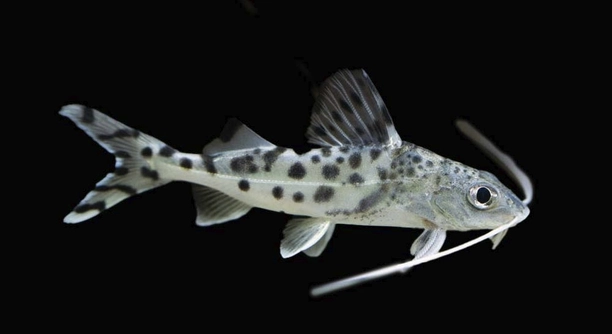
Noisy tanks can disrupt the peaceful environment many aquarium owners seek. For those keeping pictus catfish, unwanted sounds may cause stress to both fish and owner. Managing this noise is important for maintaining a calm and healthy tank.
Reducing tank noise involves addressing common sources such as filters, air pumps, and water movement. Proper placement of equipment, regular maintenance, and using sound-dampening materials can significantly lower noise levels, ensuring a quieter and more stable habitat for pictus catfish.
These methods offer practical solutions that improve both tank conditions and overall enjoyment of your aquarium experience. Quieting the tank can create a more comfortable space for everyone involved.
Identifying the Main Sources of Noise in Your Tank
A noisy tank often results from several common factors working together. The filter is usually the loudest piece of equipment, as it moves water constantly. Air pumps can add a bubbling or humming sound, especially if they are old or poorly maintained. Water movement hitting the tank walls or decorations can create additional noise, especially if the flow is too strong or unsteady. Even the tank lid can contribute to noise if it rattles or vibrates. Recognizing which of these elements is responsible is the first step to quieting your tank. Careful observation will help you notice patterns, like louder noise when the pump runs faster or when water splashes against decorations.
Keeping equipment clean and in good condition prevents extra noise caused by buildup or wear. Sometimes, a simple adjustment in placement or flow can reduce noise significantly without changing any equipment. Identifying these sources early will make the next steps easier and more effective.
To reduce noise, focus first on the filter and air pump, then on water movement and tank fittings. Small adjustments can have a big impact on sound levels.
Proper Equipment Placement and Maintenance
Placing equipment correctly helps limit vibrations and noise transmission. Filters and pumps should rest on soft, vibration-absorbing surfaces such as foam pads or rubber mats. Avoid direct contact with hard surfaces like glass or wood, which can amplify sounds. Positioning air tubes carefully can also reduce bubbling noise; make sure tubes are securely attached and not loose inside the tank.
Regular maintenance is critical to keep noise down. Cleaning filters prevents clogging, which forces the motor to work harder and louder. Air stones and tubes should be checked for blockages and replaced if needed. Inspecting all equipment for loose parts or worn components ensures everything runs smoothly. Running equipment at the lowest effective speed reduces noise and stress on fish.
Using quieter, energy-efficient models can be a long-term solution, but proper care of current equipment usually solves most noise problems. Keeping the tank quiet improves the health of your pictus catfish and makes the aquarium more enjoyable to watch and listen to.
Using Sound-Dampening Materials
Sound-dampening materials help reduce vibrations and muffled noises around the tank. Placing foam pads or rubber mats under equipment absorbs much of the sound before it travels through surfaces.
Foam or rubber pads are effective because they cushion the equipment and prevent direct contact with hard surfaces. This reduces the transmission of vibrations that cause buzzing or humming noises. These materials are inexpensive and easy to install under filters, air pumps, or tank stands. Additionally, lining the back or sides of the tank with soundproof foam can absorb noise created by water movement or equipment. Using these materials doesn’t affect the tank’s function but significantly lowers the noise level, making the environment more peaceful.
Besides pads, soft cloth or neoprene strips can also work well in dampening sound. Avoid placing equipment directly on glass or wooden surfaces, as these amplify noise. Combining these materials with proper maintenance results in a quieter tank that your pictus catfish will appreciate.
Adjusting Water Flow and Tank Setup
Strong or irregular water flow often creates loud splashing sounds that add to overall tank noise. Reducing flow speed helps prevent water from hitting tank walls or decorations forcefully. Using spray bars or flow diffusers softens water movement and distributes it more evenly, lessening noise. Adjusting equipment output to create gentle currents benefits the fish and reduces sound.
Rearranging decorations to minimize direct water impact also lowers noise. Smooth surfaces or plants placed where water flows can absorb energy and quiet splashes. Avoid placing air stones or outlets directly under lids or near tank edges, as these increase vibration and noise. Paying attention to flow and setup can make a significant difference in tank quietness without compromising water quality or fish comfort.
Securing the Tank Lid
A loose or poorly fitted tank lid often causes rattling sounds. Ensuring the lid fits snugly and does not move will reduce noise significantly.
Using silicone strips or rubber seals around the edges can prevent vibrations. Even small gaps allow noise to escape and cause disturbances.
Regular Filter Cleaning
Cleaning the filter regularly prevents buildup that strains the motor. A well-maintained filter runs quieter and more efficiently. Neglecting cleaning leads to louder operation and possible damage.
Proper filter maintenance extends equipment life and supports a healthy tank environment. This also keeps noise levels manageable for your pictus catfish.
Choosing Quiet Equipment
Some filters and air pumps are designed specifically to operate quietly. Investing in these models can reduce noise drastically.
Researching and selecting equipment with noise reduction features pays off in long-term tank enjoyment. Quiet equipment makes daily care and observation more pleasant.
FAQ
Why is my pictus catfish tank so noisy?
Noise in a pictus catfish tank usually comes from equipment like filters, air pumps, or water movement. Filters can get louder if clogged or old. Air pumps create bubbling sounds that may increase with time or improper placement. Water splashing against tank walls or decorations can add to the noise, especially if the flow is too strong.
How can I reduce filter noise?
Clean your filter regularly to prevent buildup that forces the motor to work harder and louder. Placing the filter on a foam pad or rubber mat reduces vibrations. Check for loose parts and tighten them. Running the filter at the lowest speed that keeps the water clean also helps reduce noise.
Can I make the air pump quieter?
Yes. Place the air pump on a soft surface like foam or rubber to absorb vibrations. Make sure air tubes are securely attached and not loose inside the tank. Using an air stone can soften the bubbling sound. If the pump is old or very loud, consider replacing it with a quieter model.
Does water flow affect noise levels?
Strong water flow often causes splashing that increases tank noise. Adjusting the flow speed or using flow diffusers helps create a gentler current. Rearranging decorations to block direct water impact can also reduce noise.
What sound-dampening materials work best for tanks?
Foam pads and rubber mats are the most effective for reducing vibrations under equipment. Silicone strips or rubber seals around the tank lid stop rattling. Soft cloth or neoprene strips can also help. Avoid placing equipment directly on hard surfaces like glass or wood.
Is it important to secure the tank lid?
Yes, a loose lid can cause rattling and add to noise levels. Ensure the lid fits tightly and doesn’t move. Adding rubber seals or silicone strips around the edges prevents vibrations and muffles sounds.
How often should I maintain my equipment?
Regular maintenance depends on the equipment, but cleaning filters every 2-4 weeks is a good rule. Check air stones and tubes monthly and replace if needed. Inspect all parts for wear or looseness frequently to keep noise low.
Will quieter equipment improve my tank’s sound?
Investing in quiet, energy-efficient filters and air pumps can make a significant difference. These models are designed to minimize vibrations and reduce humming or bubbling sounds. Upgrading is worth considering if your current equipment is old or noisy.
Can tank decorations affect noise?
Yes, hard decorations that water hits directly can increase noise. Using plants or smooth surfaces to absorb splashes lowers sound. Rearranging items to prevent water from hitting walls directly helps create a quieter environment.
Is noise stressful for pictus catfish?
Loud or constant noise can stress pictus catfish, affecting their health and behavior. A quieter tank creates a more natural, calm habitat that supports their wellbeing.
Are there any simple daily habits to keep the tank quiet?
Keep equipment clean and well-maintained. Monitor water flow settings to avoid splashing. Check that lids and equipment are secure. Small daily checks prevent noise from becoming a bigger problem.
Final Thoughts
Maintaining a quiet tank for your pictus catfish is an important part of creating a healthy and comfortable environment. Noise can come from several sources, but most of them are easy to manage with simple steps. Regular cleaning and maintenance of filters and air pumps not only reduce noise but also help keep your tank in good condition. Small changes like placing equipment on foam pads or adjusting water flow can make a big difference in reducing unwanted sounds.
Investing a little time in checking equipment and making adjustments can greatly improve the overall atmosphere of your aquarium. Pictus catfish are sensitive to stress, and a quieter tank helps them feel safe and relaxed. Keeping noise levels down is also better for anyone who spends time near the tank. A peaceful environment allows you to enjoy your aquarium without distraction or irritation from buzzing or splashing noises. The improvements often feel simple but have lasting benefits for both fish and owner.
In the end, quieting a noisy tank does not require expensive or complicated solutions. Most noise issues come from everyday equipment that just needs attention or better placement. Using sound-dampening materials and choosing quieter equipment when it’s time to replace parts will support a calm tank environment over time. With these practical steps, you can create a space that is pleasant to look at and listen to, making care easier and more enjoyable for you and your pictus catfish.

Hello,
If you enjoy the content that we create, please consider saying a "Thank You!" by leaving a tip.
Every little bit helps us continue crafting quality advice that supports the health, happiness, and well-being of pets around the world, for pets of all shapes, sizes, and species.
We really appreciate the kindness and support that you show us!