
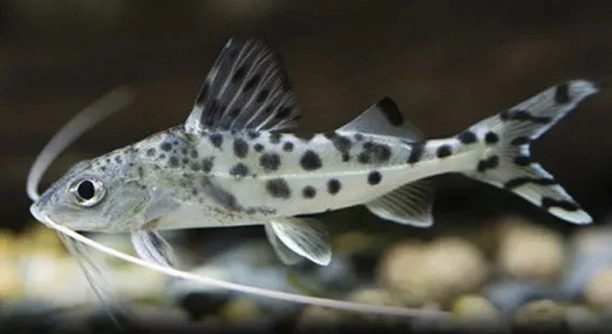
Moving a pictus catfish can be a challenging task for many aquarium enthusiasts. These fish are sensitive to changes in their environment, which can cause stress during transport. Knowing how to handle them properly makes the process easier for both the fish and the owner.
To make moving a pictus catfish stress-free, it is essential to maintain stable water conditions, minimize handling, use appropriate transport containers, and avoid sudden changes in temperature or lighting. Careful preparation reduces stress and supports the fish’s health during the move.
Following these simple tips will help ensure your pictus catfish remains calm and healthy throughout the moving process. The right approach can make a big difference in their adjustment to a new home.
Preparing the Transport Container
Choosing the right container for moving your pictus catfish is crucial. A clean, sturdy plastic container or a fish transport bag filled with water from the fish’s current tank works best. The water should be about one-third of the container’s volume, leaving room for air to supply oxygen. Avoid using containers with strong odors or residues, as these can harm the fish. Make sure the container is secure and stable during transport to prevent spills or sudden movements. Adding a small air stone or using a battery-operated air pump can help keep oxygen levels stable for longer trips. If you use a bag, double-bag it and tie it tightly to avoid leaks. Always transport the fish in dim lighting to reduce stress and keep the container covered to maintain a sense of security for the fish.
Keeping the container stable and providing enough oxygen reduces stress and helps your fish stay calm during the move.
Proper preparation of the transport container is essential for a stress-free move. Using water from the original tank keeps the fish’s environment familiar, which helps reduce shock. Ensuring the container is leak-proof and secure prevents accidents that could endanger the fish. Oxygen supply is also vital, especially for longer transports, to prevent suffocation. Covering the container helps reduce external stimuli that could frighten the pictus catfish. All these measures support the fish’s health and comfort during the move, making the transition smoother.
Minimizing Handling Stress
Handling your pictus catfish as little as possible during the move is important. The fish’s skin and fins are delicate, and excessive handling can cause injury or stress. When you do need to move the fish, use a soft net and gentle movements. Avoid chasing or grabbing the fish directly with your hands. Always wet your hands or the net before touching the fish to protect its slime coat. Transporting the fish quickly but calmly helps prevent unnecessary stress. Keeping handling to a minimum allows the fish to stay calm and reduces the risk of health problems after moving.
Minimizing handling protects the fish’s delicate body and reduces stress during the move.
Reducing contact with your pictus catfish during transport is one of the best ways to keep it calm. Fish rely on their slime coat as a protective barrier against infections, and rough handling can damage this layer. Using a soft, wet net instead of bare hands prevents scratches and injuries. Gentle, slow movements prevent sudden shocks. If the fish becomes agitated, pause and let it settle before continuing. After placing the fish in the transport container, avoid opening it frequently to reduce disturbance. Keeping the fish calm helps ensure a smooth transition to its new environment, decreasing the chances of stress-related illnesses after the move.
Maintaining Stable Water Conditions
Keeping water conditions stable is vital when moving pictus catfish. Sudden changes in temperature, pH, or water hardness can stress the fish and affect its health. Use water from the original tank during transport to keep conditions consistent and reduce shock.
Water temperature should remain close to the tank’s usual range, typically between 72°F and 79°F (22°C to 26°C). Use a portable heater or cooler if needed to maintain this range. Test the water parameters before transport to ensure they match the fish’s usual environment. Avoid adding new water or chemicals during the move, as this can cause rapid changes. Stability in water conditions helps the fish stay calm and reduces the risk of illness.
After moving, gradually acclimate the fish to the new tank water by floating the transport container in the new aquarium. Slowly add small amounts of the new tank water over an hour to help the fish adjust safely. This process prevents sudden changes that could cause stress or shock. A calm environment and stable water conditions in the new tank support the fish’s recovery and long-term health after the move.
Reducing Lighting and Noise
Bright lights and loud noises increase stress in pictus catfish. Keep the transport container in a dim, quiet area to help the fish feel secure. Avoid sudden flashes or loud sounds during the move.
Reducing stimuli by covering the container with a towel or dark cloth can help calm the fish. At the new location, keep the aquarium lights off or dimmed for several hours after introducing the fish. Loud noises from moving equipment or people can trigger stress responses, so try to keep the environment peaceful. Minimizing external disturbances helps the fish adjust more easily and reduces the risk of stress-related health issues.
Avoiding Overcrowding During Transport
Transporting too many pictus catfish in one container increases stress and lowers oxygen levels. Use separate containers or space fish out to give each enough room. Proper spacing helps prevent injury and keeps water quality stable during the move.
Overcrowding can cause aggressive behavior and physical damage. Keeping fewer fish per container reduces these risks and improves overall fish health during transport.
Monitoring Fish Behavior After Moving
Watch your pictus catfish closely after the move for signs of stress or illness. Lethargy, loss of appetite, or unusual swimming indicate the need for attention and possible treatment.
Early detection of problems helps prevent serious health issues and supports a smooth recovery.
Quarantining New Arrivals
Quarantining new fish before adding them to your main tank reduces disease risks. Use a separate tank for two weeks and monitor health closely.
FAQ
How long can a pictus catfish stay in a transport container?
Pictus catfish can generally stay in a transport container for up to 6 hours safely if the container has enough oxygen and stable water conditions. For longer trips, using an air pump or air stone is necessary to keep oxygen levels adequate. It is important to avoid overcrowding and to maintain the water temperature close to their normal tank conditions to reduce stress.
What type of water should I use in the transport container?
Always use water from the pictus catfish’s original tank when filling the transport container. This helps keep the water chemistry consistent and reduces shock. Avoid adding new tap water or water treated with chemicals during transport, as sudden changes in pH, hardness, or chlorine levels can harm the fish. If you must add water, make sure it is treated and matches the original tank parameters closely.
Can I feed my pictus catfish before moving it?
It is best to avoid feeding your pictus catfish for at least 12 hours before moving. Feeding right before transport can increase waste production in the container, leading to poor water quality and higher stress levels. Fish can safely go without food for this short period. After moving, wait until the fish has acclimated to its new tank before feeding again.
How should I acclimate my pictus catfish after the move?
Acclimation is important to help your fish adjust to new water conditions. Start by floating the sealed transport container in the new aquarium for 20-30 minutes to equalize temperature. Then slowly add small amounts of the new tank water to the container every 10 minutes over an hour. After this gradual process, gently release the fish into the tank. This method reduces the risk of shock from sudden changes in water parameters.
What signs of stress should I watch for in my pictus catfish after moving?
Common signs of stress include hiding excessively, rapid gill movement, erratic swimming, loss of appetite, and faded colors. If you notice these signs, keep the tank environment calm and stable. Avoid sudden changes in lighting or water conditions. Providing hiding spots and maintaining good water quality will help your fish recover. If symptoms persist, consider consulting a vet or aquarium specialist.
Is it safe to move pictus catfish with other fish?
Moving pictus catfish with other fish can be done, but it requires careful planning. Different species may have varying water requirements and stress levels. Overcrowding should be avoided to prevent injuries and oxygen depletion. If possible, transport different species in separate containers to minimize stress and reduce the risk of disease transmission.
Can I use a regular fish net to catch my pictus catfish for moving?
Using a soft, fine-mesh net is recommended to catch pictus catfish. Their bodies and fins are delicate, so rough or large nets can cause damage. Wet the net before use to protect the fish’s slime coat. Be gentle and slow when scooping to avoid injuring the fish or causing unnecessary stress.
How important is water temperature during transport?
Maintaining water temperature within the pictus catfish’s comfort range (around 72°F to 79°F) is crucial. Sudden drops or rises in temperature can cause shock and stress. For short moves, keeping the container insulated with a towel or cooler box helps stabilize temperature. For longer transports, use battery-powered heaters or coolers to regulate conditions.
Should I turn off aquarium filters during the move?
Yes, aquarium filters should be turned off during transport to prevent damage and reduce stress caused by strong water flow. Filters can be restarted once the fish is safely settled in the new tank. Before moving, it is helpful to perform partial water changes to improve water quality, so the fish are transported in clean, stable water.
What if my pictus catfish seems sick after moving?
If your fish shows signs of illness such as spots, redness, or unusual behavior, isolate it in a quarantine tank to prevent spreading disease. Maintain clean water and provide appropriate medication if necessary. Stress from moving can weaken their immune system, so close monitoring and quick action improve recovery chances.
Can I use plastic bags for transporting pictus catfish?
Plastic bags are commonly used for short-distance fish transport. Use clean, sturdy bags filled with water from the original tank and air to provide oxygen. Double-bag the fish and secure the openings tightly to prevent leaks. Keep the bags in a dark, stable container during transport and avoid extreme temperature changes.
How do I reduce noise and vibration during transport?
Minimize noise and vibration by cushioning the transport container in a padded box or cooler. Avoid loud music, shouting, or sudden movements around the fish. Smooth driving with few stops also reduces stress. Reducing external disturbances helps keep your pictus catfish calm throughout the move.
Moving a pictus catfish can be a stressful experience for both the fish and the owner. The key to a smooth transition lies in careful preparation and attention to the fish’s needs. Keeping water conditions stable, minimizing handling, and using the right transport container all contribute to reducing stress. These steps help protect the fish’s health and make the move less challenging. Taking time to prepare properly can prevent many common problems that occur during transport.
It is also important to watch the fish closely after moving. Stress from transport can weaken the fish’s immune system, making it more vulnerable to illness. Providing a calm, quiet environment with stable water conditions supports the fish’s recovery. Quarantining new arrivals before adding them to a main tank reduces the risk of disease spreading. Regular observation ensures that any signs of stress or illness are caught early and addressed quickly.
Moving a pictus catfish requires patience and care, but following the right procedures makes the process easier. Small actions, like using water from the original tank and acclimating the fish slowly, have a big impact on the fish’s well-being. By minimizing stress and supporting the fish through the transition, you help ensure it will thrive in its new home. With proper care, moving your pictus catfish can be a safe and manageable experience.

Hello,
If you enjoy the content that we create, please consider saying a "Thank You!" by leaving a tip.
Every little bit helps us continue crafting quality advice that supports the health, happiness, and well-being of pets around the world, for pets of all shapes, sizes, and species.
We really appreciate the kindness and support that you show us!