
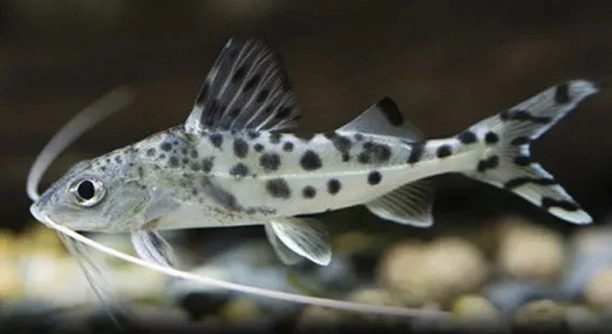
Are your pictus catfish thriving, but you’re unsure how to safely introduce a new one into their established group? Adding new fish to an existing tank can feel like a delicate and stressful process.
The best way to add a new pictus catfish to a group is by quarantining the newcomer first, gradually acclimating it to the tank’s water, and rearranging the tank layout slightly to minimize territorial behavior and reduce stress.
Learning the proper steps helps ensure peaceful integration and keeps your fish healthy, balanced, and stress-free throughout the transition.
Preparing the Tank for a New Addition
Before introducing a new pictus catfish, start by checking the tank’s water parameters. These fish are sensitive to changes, so stable temperature, pH, and ammonia levels are key. Rearranging the tank decorations can help reduce territorial behavior by removing familiar landmarks that established fish may defend. Make sure there are plenty of hiding spots like caves or driftwood. This creates safe areas for the new fish and reduces stress for everyone. Dim lighting can also help calm their initial anxiety. It’s best to feed the existing group before adding the new one to reduce aggression. Always ensure the tank is large enough, with a minimum of 55 gallons for multiple pictus catfish. They are active swimmers and need space to move around comfortably without bumping into each other. Taking the time to prepare your tank properly will make the transition smoother and safer for your new catfish.
Tank conditions must be just right before you add any new fish. A little preparation helps avoid unwanted stress and health issues.
Give your fish at least a few hours to calm down after the tank is rearranged. Keep lights low, and don’t feed them immediately. Let them settle first.
Acclimating and Introducing the New Fish
Start by placing the new catfish in a separate quarantine tank for at least two weeks. This prevents any potential illness from spreading to your current group.
Once the quarantine period is over, begin acclimating the new fish to your main tank’s water. Float the sealed bag in the tank for about 30 minutes to equalize the temperature. Slowly mix small amounts of tank water into the bag every five to ten minutes over the next hour. When it’s time to release the catfish, turn off the tank lights and add it gently without pouring the bag water in. Watch how the existing group reacts. Some chasing or curiosity is normal, but serious aggression should be addressed. Consider adding distractions like food or rearranged plants to reduce tension. Continue to monitor closely over the next few days. Avoid adding more than one fish at a time unless the group is already used to regular changes. Acclimating with patience makes a big difference in how smoothly the introduction goes.
Monitoring Behavior After Introduction
Watch for signs of stress like hiding, darting, or faded color. Mild chasing is normal at first, but persistent bullying is not. A peaceful group should settle within a few days if conditions are stable and stress is minimized.
Keep a close eye on feeding habits. If the new catfish isn’t eating or is constantly chased away from food, try feeding in multiple areas of the tank. This gives every fish a chance to eat without conflict. Uneaten food should be removed to avoid water quality issues. Look for any injuries, torn fins, or signs of illness during this time. Sometimes separating the new fish again for a day or two helps if aggression continues. Just make sure the separation doesn’t last too long or it may make reintroduction harder. Always handle netting gently to avoid causing extra stress or harm during this process.
Stress may still linger after a few days, especially if the tank is too crowded or lacking in cover. Make sure water parameters remain consistent, and continue to observe how each fish is behaving. A balanced tank, with enough space and hiding spots, gives all your catfish a better chance at coexisting peacefully. Behavior can shift suddenly, so stay attentive.
Preventing Future Conflicts
Avoid overstocking the tank. Too many fish in a confined space increases tension. Stick to compatible species and provide enough hiding spaces to keep stress levels low. A larger tank almost always leads to fewer problems.
Pictus catfish are social but also territorial if cramped. Having a few more hiding places than you think you need can make a big difference in how well they get along. Monitor water changes regularly—clean, consistent water helps with both health and mood. Feeding at the same times each day helps reduce anxiety and sets a routine that benefits the entire tank. If one fish consistently acts aggressively, it might be a good idea to isolate it temporarily or consider rehoming if nothing improves. It’s better to act early before stress spreads. Stable environments, consistent care, and gentle observation can help you maintain a peaceful and active group of pictus catfish long-term.
Feeding Tips During Adjustment
Feed small portions twice a day and keep portions consistent. Overfeeding can make the tank dirty fast and stress your fish more. Spread food in different areas to give the new catfish a fair chance to eat without competition.
Stick with familiar foods at first. Frozen bloodworms, sinking pellets, and brine shrimp work well. If the new fish doesn’t eat right away, don’t panic. It might just need more time to adjust. Watch closely and adjust feeding spots if needed.
Signs Your Catfish Is Settling In
You’ll know your new pictus catfish is adjusting when it starts exploring the tank freely, joins the group during feeding, and rests calmly in hiding spots without darting around. Stable behavior, healthy appetite, and normal coloration are all good signs of progress. Aggression from others should fade as they grow used to each other. Avoid sudden changes in tank setup during this stage. Keep lighting and feeding consistent to encourage calm behavior. If everything looks peaceful and stable for several days in a row, you can feel confident that your new catfish has safely joined the group.
When to Try Again
If the first introduction didn’t work out, wait at least one week before trying again. Make changes to reduce stress before the next attempt.
FAQ
How long should I quarantine a new pictus catfish before adding it to the main tank?
Quarantine your new pictus catfish for at least two weeks. This period helps ensure the fish is healthy and free from diseases or parasites. Observing the fish in isolation allows you to treat any issues before introducing it to your established group, reducing the risk of spreading illness.
What are the signs of stress in pictus catfish after introduction?
Signs of stress include hiding excessively, rapid or erratic swimming, faded colors, and refusal to eat. Mild chasing is normal, but if it turns aggressive or if the new fish is constantly chased, these are clear signs of distress. Keeping water conditions stable and providing hiding places helps reduce stress.
Can I add more than one pictus catfish at the same time?
It’s best to add only one at a time unless the group is already accustomed to changes. Adding multiple fish simultaneously can increase aggression and competition for territory. Introducing one fish at a time allows your existing group to adjust gradually, minimizing stress and conflict.
What water parameters are ideal for pictus catfish?
Pictus catfish prefer a temperature range between 72°F and 79°F, a pH of 6.5 to 7.5, and low ammonia and nitrate levels. Stable water conditions are essential. Sudden changes in temperature or chemistry can stress fish and lead to health problems, especially during introductions.
How do I handle aggression in the tank after adding a new catfish?
Some chasing is normal, but constant aggression needs attention. Rearranging tank décor can break up established territories and reduce conflict. Increase hiding spots, feed multiple areas, and monitor fish closely. If aggression persists, temporary separation may be necessary until the situation calms.
What should I feed my pictus catfish during the acclimation period?
Feed small amounts of familiar foods like sinking pellets, frozen bloodworms, and brine shrimp. Spread food in different locations to give all fish a chance to eat without competition. Don’t worry if the new fish refuses food at first; it may need time to settle in.
How often should I monitor water quality during the introduction phase?
Test water parameters daily during the first week after adding a new fish. This helps catch any sudden changes or issues caused by increased waste. Maintaining clean, stable water supports fish health and lowers stress during this sensitive time.
What if the new catfish hides constantly and refuses to come out?
It’s common for new pictus catfish to hide at first. Make sure there are plenty of hiding spots and avoid bright lights. If hiding continues beyond a week with no signs of feeding or interaction, check water parameters and consider possible illness.
Can rearranging tank decorations help with fish integration?
Yes, rearranging decorations can disrupt established territories, helping reduce aggression. It creates a new environment where no fish feels overly dominant. Be careful to keep enough hiding places and avoid sudden, drastic changes that could stress the fish further.
Is it okay to add other species with pictus catfish?
Pictus catfish generally get along with peaceful, similarly sized fish that don’t compete for the same hiding spots or food. Avoid aggressive or very territorial species. Research compatibility carefully to maintain a calm tank environment.
What should I do if the new catfish is injured during introduction?
Separate the injured fish into a quarantine tank for treatment. Clean water and mild medications can help with healing. Keep the main tank clean and watch for aggressive behaviors that caused the injury. Once healed, slowly reintroduce the fish if possible.
How long does it typically take for a new pictus catfish to fully settle in?
It can take anywhere from a few days to several weeks, depending on the fish’s personality, tank conditions, and the behavior of the established group. Patience is important—rushing the process can increase stress and risk injury.
What are the best ways to reduce stress for all fish during introductions?
Maintain stable water quality, add plenty of hiding spots, feed regularly, and avoid sudden changes. Keep tank lights dim during introductions and reduce noise or vibrations near the tank. A calm environment helps all fish adjust more easily.
Can I use a divider to introduce a new catfish?
Using a divider allows fish to see and get used to each other without direct contact. This method can reduce aggression during initial introductions. After a few days or weeks, slowly remove the divider when the fish appear calm and curious rather than aggressive.
How important is tank size when adding new pictus catfish?
Tank size is very important. Larger tanks give fish more space to establish territories and avoid each other, which reduces conflict. A minimum of 55 gallons is recommended for a group of pictus catfish to keep them comfortable and healthy.
What should I avoid doing when introducing a new pictus catfish?
Avoid adding the new fish directly without quarantine or acclimation. Don’t overcrowd the tank or make sudden changes to water conditions. Avoid aggressive species or insufficient hiding places. Rushing the introduction can lead to stress, injury, and illness.
These answers provide a straightforward guide to common concerns when adding new pictus catfish. Following these steps can help maintain a healthy, peaceful tank where your fish thrive.
Introducing a new pictus catfish to an established group requires patience, preparation, and careful observation. Taking the time to quarantine the new fish and properly acclimate it to the tank water helps prevent health problems and stress for both the newcomer and the existing fish. Ensuring that water parameters are stable and the tank environment is suitable for all the fish creates a solid foundation for a smooth introduction. Making thoughtful changes, like rearranging decorations to break up territories and adding enough hiding spots, can reduce aggression and help the new catfish feel more secure in its new home.
During and after the introduction process, close monitoring is important. Watching for signs of stress, illness, or aggression allows you to react quickly if problems arise. Some chasing or curiosity is normal, but if any fish shows persistent aggressive behavior, steps should be taken to reduce conflict. Feeding in multiple areas and maintaining consistent feeding routines can help lessen competition and improve harmony within the group. Remember that every fish has its own personality and may take different amounts of time to adjust. Patience is key, as rushing the process or forcing interaction can increase stress and cause setbacks.
Maintaining a healthy and peaceful tank with pictus catfish depends not only on the introduction itself but on ongoing care and attention. Keeping water quality high, providing a spacious tank, and offering a stable environment support the long-term well-being of your fish. Understanding the natural behavior of pictus catfish and respecting their need for space and shelter will help them coexist more comfortably. With the right approach and consistent care, adding new pictus catfish to your group can be a rewarding experience that enriches your aquarium and keeps your fish happy.

Hello,
If you enjoy the content that we create, please consider saying a "Thank You!" by leaving a tip.
Every little bit helps us continue crafting quality advice that supports the health, happiness, and well-being of pets around the world, for pets of all shapes, sizes, and species.
We really appreciate the kindness and support that you show us!