
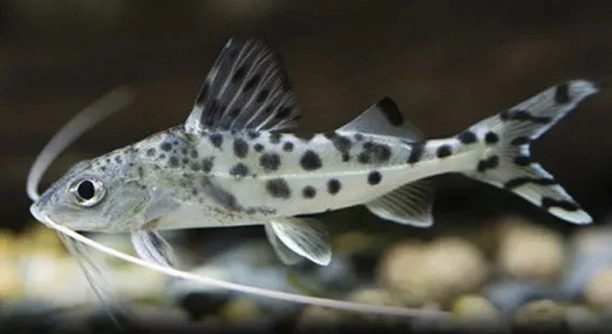
Wild-caught and tank-bred Pictus catfish are popular choices for aquarists who want an active and interesting fish. Both types have their unique traits and care requirements. Understanding these differences can help keep your fish healthy and happy.
Wild-caught Pictus come directly from their natural habitats, often showing more vibrant colors and different behaviors, while tank-bred Pictus are raised in controlled environments, usually adapting better to captivity and showing fewer disease risks.
Knowing the key differences between wild-caught and tank-bred Pictus can improve your aquarium management and provide the best environment for your fish to thrive.
Appearance Differences Between Wild-Caught and Tank-Bred Pictus
Wild-caught Pictus often display more intense and varied coloration than their tank-bred counterparts. Their bodies tend to have sharper contrast in their spots, along with a more slender, streamlined shape developed from life in natural, flowing waters. These fish can appear more vibrant and active, reflecting their adaptation to a dynamic environment. Tank-bred Pictus, on the other hand, usually have more muted colors and a stockier build. This difference is due to selective breeding and the stable conditions in captivity. The environment in which a fish grows affects its physical traits significantly. Wild-caught fish also show more variation because they come from different regions with slightly different ecosystems. Meanwhile, tank-bred fish come from controlled settings, which limit these variations. Observing these differences can help determine the source of your Pictus, aiding in their proper care and feeding.
The physical contrasts between wild-caught and tank-bred Pictus are noticeable and important for care considerations.
Understanding these appearance traits helps you provide the right tank setup and diet to match their needs and keep them healthy.
Behavior and Adaptation Differences
Wild-caught Pictus often exhibit more cautious and active behavior due to their exposure to predators and variable environments. These fish are usually more sensitive to water changes and stress, requiring stable and carefully maintained tank conditions. Tank-bred Pictus are generally more tolerant of aquarium life, showing less skittishness and adjusting better to routine feeding and water parameters. This difference comes from generations of living in captivity, which reduces their natural wariness and makes them easier to handle. However, tank-bred fish can be less robust if exposed to sudden environmental changes, while wild-caught fish may struggle with the transition to home tanks. Proper acclimation is essential for both types, but wild-caught Pictus need extra patience and care to adjust. Their activity levels and social behaviors can also vary, impacting how they interact with tank mates and the overall tank environment.
Wild-caught Pictus tend to be more sensitive and active, while tank-bred fish show greater adaptability to aquarium life.
Tank conditions should be tailored to these behavioral differences to ensure the well-being of each Pictus type.
Health and Disease Risks
Wild-caught Pictus may carry parasites or diseases from their natural environments. Proper quarantine and treatment are essential before introducing them to a home aquarium. Tank-bred Pictus usually have fewer health risks due to controlled breeding and care.
Parasites in wild-caught fish can include external pests like ich or internal worms, which may not be visible at first. Quarantining wild-caught Pictus for several weeks helps prevent spreading these issues to other tank inhabitants. Tank-bred fish are bred in controlled environments with fewer chances of infection. They tend to be hardier and less prone to sudden illnesses. Still, both types need regular water changes and good diet to maintain health.
Even though tank-bred Pictus are generally healthier, proper care and monitoring remain important. Avoid overcrowding and provide stress-free conditions to reduce disease risk. Quarantine new fish regardless of their origin to protect your entire aquarium.
Environmental Needs and Tank Setup
Wild-caught Pictus prefer larger tanks with plenty of hiding spots and flowing water, similar to their natural rivers. They benefit from a setup that mimics this environment closely. Tank-bred Pictus are more adaptable but still thrive with proper space and hiding places.
Natural plants, driftwood, and smooth rocks help replicate the wild habitat, providing shelter and reducing stress for wild-caught fish. They prefer well-oxygenated water with stable parameters and slightly cooler temperatures. Tank-bred Pictus can tolerate a wider range of conditions but do best in a clean, moderately planted tank. Both types appreciate dim lighting and room to swim freely.
Maintaining water quality is crucial for both wild and tank-bred Pictus. Regular filtration, partial water changes, and monitoring parameters such as pH and hardness will support their health. Creating a natural environment also encourages natural behaviors and improves their overall well-being.
Feeding Habits
Wild-caught Pictus tend to be more selective and cautious when eating. They may prefer live or fresh foods closer to their natural diet.
Tank-bred Pictus usually accept a wider variety of foods, including pellets and flakes, making feeding easier in captivity.
Lifespan and Growth
Wild-caught Pictus often grow slightly larger and may live longer if given optimal conditions. Their natural diet and environment support steady growth. Tank-bred Pictus tend to be smaller and reach maturity faster due to selective breeding. Both require a balanced diet and good water quality to maximize lifespan, which typically ranges from 8 to 10 years.
Availability and Cost
Wild-caught Pictus are generally more expensive and less readily available due to collection from natural habitats and transportation risks. Tank-bred Pictus are more common and affordable, making them a popular choice for many aquarists.
What is the main difference between wild-caught and tank-bred Pictus?
The main difference lies in their origin and adaptation. Wild-caught Pictus are captured from rivers and natural habitats, carrying natural behaviors, colors, and sometimes parasites. Tank-bred Pictus are raised in controlled aquarium environments, usually showing less stress and adapting better to captivity. This also affects their appearance, health, and behavior.
Are wild-caught Pictus harder to care for than tank-bred ones?
Yes, wild-caught Pictus require more careful attention because they are used to natural water conditions and can be sensitive to changes in tank water quality. They also need longer acclimation and quarantine periods to adjust and prevent disease spread. Tank-bred Pictus are generally hardier and more tolerant of standard aquarium conditions.
Do wild-caught Pictus live longer than tank-bred?
Wild-caught Pictus can live slightly longer if cared for well since their genetics and natural diets support longer lifespan. However, proper tank conditions, diet, and care can allow tank-bred Pictus to live equally long. Lifespan for both typically ranges from 8 to 10 years.
How do feeding needs differ between the two types?
Wild-caught Pictus tend to prefer live or fresh food similar to their natural diet, such as small fish, worms, and insects. Tank-bred fish are usually more flexible, eating pellets, flakes, and frozen foods. Feeding tank-bred Pictus is often easier because they accept a wider range of commercial foods.
Is it safe to keep wild-caught and tank-bred Pictus together?
Mixing them can be risky. Wild-caught Pictus might carry parasites or diseases that tank-bred fish haven’t encountered. It’s important to quarantine all new fish regardless of origin. Behavior differences can also cause stress or aggression. Monitoring is necessary to ensure compatibility.
Why are wild-caught Pictus more expensive?
Wild-caught Pictus require capturing from remote habitats, careful transport, and quarantine, increasing cost. The supply is also limited, making them less available than tank-bred fish. Tank-bred Pictus are produced in larger quantities under controlled conditions, lowering their price.
Do wild-caught Pictus have better coloration?
Generally, yes. Wild-caught Pictus often have brighter spots and more varied color patterns due to their natural environments. Tank-bred fish may have duller or less distinct markings because of selective breeding and controlled conditions, although some breeders work to improve coloration.
What tank setup is best for wild-caught Pictus?
They do best in larger tanks with ample hiding places like driftwood, plants, and rocks. Water should be well-oxygenated with stable parameters and gentle flow, mimicking river conditions. Dim lighting helps reduce stress. Regular water changes and filtration are essential to maintain high water quality.
Can tank-bred Pictus tolerate a wider range of water conditions?
Yes, tank-bred Pictus are more adaptable to different pH levels, temperatures, and water hardness. Their exposure to captivity across generations has made them more tolerant to standard aquarium conditions. However, maintaining stable and clean water is still important for their health.
How long should wild-caught Pictus be quarantined?
A quarantine period of at least four weeks is recommended for wild-caught Pictus. This allows observation for parasites, diseases, or stress-related issues. During quarantine, treatment for common parasites can be applied before introducing the fish to the main tank, protecting other inhabitants.
What are common diseases in wild-caught Pictus?
They may carry parasites like ich, flukes, or internal worms not found in tank-bred populations. Bacterial infections can also appear due to stress from capture and transport. Proper quarantine, clean water, and balanced nutrition reduce disease risks.
Is breeding wild-caught Pictus in captivity possible?
Breeding wild-caught Pictus is rare and difficult due to their specific environmental needs and stress from captivity. Most breeding efforts focus on tank-bred fish, which are more accustomed to aquarium life and easier to breed under controlled conditions.
How do behavior and activity differ between wild-caught and tank-bred Pictus?
Wild-caught Pictus tend to be more skittish and active, reacting quickly to movement and changes in their environment. Tank-bred fish are calmer and more predictable, often tolerating closer interaction and routine feeding schedules better.
Can tank-bred Pictus show natural behaviors seen in wild-caught fish?
Yes, many natural behaviors like bottom-dwelling, hunting for food, and swimming patterns are still present in tank-bred Pictus. However, some wild instincts may be less intense due to generations in captivity. Proper environment and stimulation can encourage natural behaviors.
Are there ethical concerns about buying wild-caught Pictus?
There are concerns regarding the impact on wild populations and ecosystems. Over-collection can harm habitats and reduce local fish numbers. Responsible sourcing from sustainable and regulated fisheries is important to minimize environmental impact.
What should I do if I notice disease symptoms in my Pictus?
Isolate the affected fish immediately to prevent spread. Check water parameters for stability. Common symptoms include clamped fins, white spots, or lethargy. Consult aquatic disease guides or a vet for treatment options like medications or salt baths. Early action increases recovery chances.
Choosing between wild-caught and tank-bred Pictus catfish depends on several important factors. Wild-caught fish bring natural beauty and behaviors into the aquarium but require extra care. Their sensitivity to water changes and potential health risks mean they need careful monitoring and longer quarantine. Tank-bred Pictus, while often less colorful, are easier to care for and adapt well to home aquariums. They are bred to tolerate typical tank conditions and are usually healthier due to controlled environments.
Both types of Pictus have their advantages and challenges. Wild-caught Pictus offer a more authentic connection to nature and may grow larger with richer coloration if given the right environment. However, their capture and transport can cause stress and increase the chance of disease. Tank-bred fish are a practical choice for most aquarists because they are more readily available, less expensive, and more robust in captivity. Choosing tank-bred fish can reduce the risks associated with parasites and sudden illness, which is important for maintaining a stable and healthy aquarium.
In the end, successful care of either wild-caught or tank-bred Pictus comes down to understanding their specific needs and providing appropriate tank conditions. Regular water quality checks, proper diet, and a suitable environment with hiding places and enough swimming space are essential. Quarantine procedures are important regardless of the fish’s origin to protect the whole aquarium. With proper care, both wild-caught and tank-bred Pictus can thrive and add lively movement and interest to a freshwater tank.

Hello,
If you enjoy the content that we create, please consider saying a "Thank You!" by leaving a tip.
Every little bit helps us continue crafting quality advice that supports the health, happiness, and well-being of pets around the world, for pets of all shapes, sizes, and species.
We really appreciate the kindness and support that you show us!