
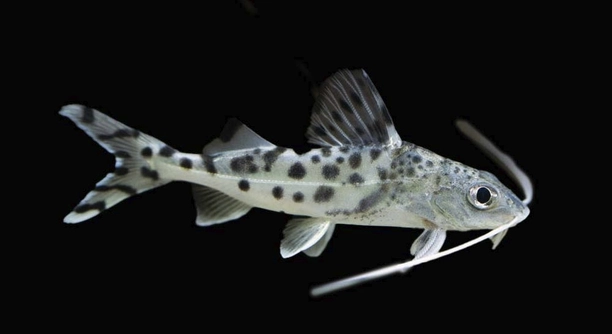
Pictus catfish are popular in home aquariums for their lively behavior and striking appearance. Many owners think they know all about these fish, but there are surprising abilities that often go unnoticed. These unique traits make pictus catfish more interesting than you might expect.
Pictus catfish have several remarkable abilities that many aquarium enthusiasts overlook. They can navigate complex environments using their sensitive barbels, communicate subtly with other fish, and even adapt their behavior based on tank conditions. These traits enhance their survival and interaction in captivity.
Learning about these lesser-known features will help you appreciate your pictus catfish even more. They are more than just active swimmers; their hidden skills play a big role in their daily lives and well-being.
Pictus Catfish Use Their Barbels to Explore
Pictus catfish have long, whisker-like barbels that are much more than decorative features. These barbels serve as important sensory tools, helping the fish explore their environment. In dim lighting or murky water, pictus catfish rely heavily on their barbels to locate food and avoid obstacles. The barbels have taste buds and touch receptors, allowing the fish to “feel” and “taste” what’s around them. This ability is especially useful in a tank where visibility can be limited. They move their barbels in a sweeping motion, scanning the substrate and decorations. This behavior is natural and necessary for their survival. Owners might notice their catfish frequently brushing their barbels against surfaces, which is not random but a way to gather information. This sensory exploration helps pictus catfish stay safe and find food efficiently in their home tanks.
Barbels act like extra senses, guiding pictus catfish through their surroundings and helping them detect food even in low visibility.
Understanding the role of barbels shows how pictus catfish interact with their environment in a unique way. These sensory organs help compensate for their poor eyesight, allowing them to navigate complex tank setups without bumping into decorations or other fish. This also means that keeping a tank with smooth surfaces and minimal sharp edges is important to protect their delicate barbels. It’s fascinating how these little whiskers allow pictus catfish to thrive in various conditions. Their natural behavior of using barbels to explore is a reminder that fish rely on more than just sight to understand their surroundings. When caring for pictus catfish, it’s useful to provide plenty of hiding spots and areas where they can use their barbels to investigate safely.
Pictus Catfish Communicate with Body Movements
Pictus catfish often communicate silently through body language and subtle movements. Unlike louder fish species, they don’t use vocal sounds but rely on physical cues to express themselves. Tail flicks, fin movements, and changes in swimming patterns can signal different moods or intentions. For example, a rapid tail flick might indicate excitement or alertness, while slow fin waves can show calmness. These movements help pictus catfish interact with tank mates and respond to their environment.
These subtle signals allow pictus catfish to communicate effectively without making noise, maintaining harmony in their community tanks.
Observing these behaviors can improve how you care for your pictus catfish. Recognizing their body language helps you understand when they are stressed, comfortable, or curious. It also aids in monitoring their health, as sudden changes in movement patterns might indicate illness or discomfort. Additionally, this non-verbal communication plays a role in social hierarchy among fish sharing the same tank. Understanding these silent messages can help you create a peaceful environment where your pictus catfish can thrive. It’s a reminder that fish communicate in their own quiet ways, which are just as important as louder signals in other species. Paying attention to these details strengthens the bond between you and your fish, improving their overall well-being.
Pictus Catfish Are Nocturnal Hunters
Pictus catfish are mostly active at night. Their natural hunting instincts come alive after the lights go off, making them excellent nocturnal feeders. During the day, they often rest in shaded areas or hide among plants and decorations to avoid bright light.
At night, pictus catfish use their barbels to find food in the dark. Their whiskers help them sense small movements and vibrations in the water, guiding them toward prey like insects, worms, and leftover fish food. This behavior is why they sometimes seem less active during the day but suddenly become lively when the tank lights dim or turn off. Owners who feed their fish at night or just before bedtime will notice how much more active the catfish become.
Understanding their nocturnal habits can help you provide a better environment for your pictus catfish. Offering hiding spots and dim lighting during the day reduces stress, while feeding them in the evening encourages natural behavior. It’s important to replicate these conditions so your fish feel comfortable and healthy in their tank.
Pictus Catfish Can Jump Out of Tanks
Pictus catfish are surprisingly good jumpers. They often leap out of tanks if they feel threatened or if water conditions are poor. This jumping behavior is a survival instinct, but it can be dangerous in home aquariums.
To prevent this, make sure your tank has a tight-fitting lid and maintain good water quality. Poor conditions like low oxygen or high ammonia levels increase stress, which triggers jumping. Additionally, sudden loud noises or aggressive tank mates might scare them. Watching for signs of stress and addressing tank issues promptly helps keep your catfish safe inside the tank. These precautions minimize the risk of accidental escapes and injuries.
By understanding why pictus catfish jump, you can better care for them and create a safer tank environment. Avoiding overcrowding and regularly testing water parameters will reduce stress, helping your fish stay calm. Providing enough space and hiding places also encourages them to stay within the tank, improving their overall well-being.
Pictus Catfish Are Fast Swimmers
Pictus catfish are known for their quick movements. They swim swiftly across the tank, especially when startled or hunting. This speed helps them escape predators in the wild and catch prey.
Their streamlined bodies and strong fins give them excellent agility. Watching them dart around can be exciting and shows their natural energy.
Pictus Catfish Enjoy Social Interaction
Pictus catfish are social creatures that thrive in groups. They feel more secure and display natural behaviors when kept with others of their kind. Keeping at least three together is recommended for their well-being.
Social interaction reduces stress and encourages healthy activity. They often swim together, showing coordinated movements and subtle communication.
Pictus Catfish Have Sensitive Skin
Their skin is delicate and sensitive to water conditions. Harsh chemicals, rough decorations, or poor water quality can easily harm them. Maintaining clean, well-filtered water is essential.
Handling them gently and providing soft tank decorations helps protect their skin from damage.
FAQ
How big do pictus catfish get?
Pictus catfish typically grow to about 5 to 6 inches (12 to 15 cm) in length. In well-maintained tanks with enough space, they might reach up to 7 inches. Their size means they need a reasonably large aquarium to swim comfortably.
What size tank is suitable for pictus catfish?
A tank of at least 30 gallons is recommended for a small group of pictus catfish. Because they are active swimmers and social fish, having enough space is important to reduce stress and allow natural behavior.
What do pictus catfish eat?
Pictus catfish are omnivores and scavengers. They eat sinking pellets, frozen or live foods like bloodworms and brine shrimp, and enjoy occasional vegetables. Their diet should be varied to keep them healthy and active.
Are pictus catfish aggressive?
No, pictus catfish are generally peaceful but can show territorial behavior if overcrowded. They get along well with other non-aggressive fish but may chase slower tank mates during feeding.
Can pictus catfish live with other fish?
Yes, they do well with other peaceful community fish. Avoid keeping them with very small fish they might mistake for food or very aggressive species that may stress them.
How often should I feed pictus catfish?
Feed them once or twice a day, offering only what they can eat within a few minutes. Overfeeding can pollute the tank and harm your fish’s health.
Why do pictus catfish hide so much?
Hiding is a natural behavior, especially during the day. They feel safer in shaded or covered areas and become more active at night. Providing hiding spots reduces their stress.
What water parameters are best for pictus catfish?
They prefer temperatures between 72°F and 79°F (22°C to 26°C), a pH of 6.5 to 7.5, and moderate water hardness. Stable, clean water conditions are important for their health.
Do pictus catfish need a filter?
Yes, a good filtration system is necessary. It keeps the water clean and oxygen-rich, which is essential for these sensitive fish.
Why do pictus catfish jump out of tanks?
Jumping usually happens due to stress, poor water quality, or sudden disturbances. Always keep a secure lid on your tank and maintain good water conditions to prevent accidents.
How long do pictus catfish live?
With proper care, pictus catfish can live 8 to 10 years in captivity. Good diet, tank maintenance, and a peaceful environment contribute to their lifespan.
Can pictus catfish breed in home aquariums?
Breeding pictus catfish in home tanks is rare and difficult. They need specific conditions and ample space, and usually require a separate breeding tank to increase chances of success.
Are pictus catfish nocturnal?
Yes, they are mostly active at night. They use their barbels to hunt and explore when the tank is dark, resting during the day in shaded areas.
How do pictus catfish communicate?
They use body language like fin movements and tail flicks to communicate moods and intentions quietly with other fish.
What decorations are best for pictus catfish tanks?
Smooth rocks, driftwood, and plenty of hiding places are ideal. Avoid sharp decorations that can damage their sensitive barbels and skin.
Why are pictus catfish’s barbels important?
Barbels act as sensory organs. They help fish “feel” and “taste” the environment, guiding them to food and helping avoid obstacles in low light or murky water.
Pictus catfish are fascinating fish with many unique traits that make them interesting pets. They are more than just pretty swimmers; their sensitive barbels, social nature, and nocturnal habits all play important roles in how they live and interact in an aquarium. Knowing these little details helps us take better care of them and create an environment where they can thrive. These fish enjoy exploring their surroundings with their whiskers and communicating quietly with their tank mates. Understanding their needs makes it easier to keep them healthy and happy.
Taking care of pictus catfish means paying attention to their environment. They need clean water, enough space to swim, and hiding spots to feel secure. Their delicate skin and sensitive barbels require smooth decorations and gentle handling. Providing the right water temperature and pH levels is important to avoid stress and illness. Watching their behavior can give clues about how they are feeling, so it is good to learn their body language. When their tank conditions are right, pictus catfish will be active, social, and comfortable, showing off their natural behaviors.
Overall, keeping pictus catfish can be very rewarding if their specific needs are met. They bring energy and interest to an aquarium while offering a chance to observe unique behaviors not seen in many other fish. Their ability to explore, communicate, and adapt to their environment shows how complex even small fish can be. By respecting their nature and providing proper care, pictus catfish can live long, healthy lives in home tanks. They remind us that fish are not just decorations, but living creatures with their own ways of sensing and interacting with the world around them.

Hello,
If you enjoy the content that we create, please consider saying a "Thank You!" by leaving a tip.
Every little bit helps us continue crafting quality advice that supports the health, happiness, and well-being of pets around the world, for pets of all shapes, sizes, and species.
We really appreciate the kindness and support that you show us!