
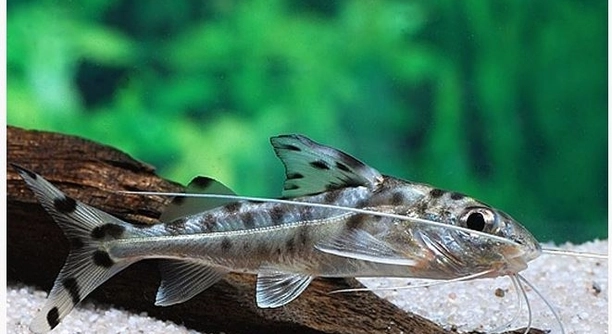
Are your Pictus catfish active right after feeding? These lively fish are popular in home aquariums because of their energetic behavior and distinctive spotted patterns. Understanding their activity after meals can help in caring for them properly.
Pictus catfish typically show increased activity immediately after feeding. Their natural behavior involves searching for food, which stimulates movement and exploration. This post-feeding activity is a normal response and indicates healthy metabolism and digestion in the species.
Knowing how Pictus catfish behave after feeding helps aquarium owners provide better care and create a more suitable environment for their pets.
Why Pictus Catfish Get Active After Feeding
After feeding, Pictus catfish become noticeably more active because they are naturally scavengers. Their instinct drives them to search the tank for leftover food. This behavior is linked to their survival skills in the wild, where they must be alert to find every bit of nourishment. The movement also helps stimulate their digestion, ensuring food moves smoothly through their system. In an aquarium setting, this increased activity is a good sign that the fish are healthy and comfortable in their environment. If a Pictus catfish remains inactive after feeding, it might suggest a problem such as stress or illness. Observing how your fish respond after feeding gives valuable insight into their wellbeing. Providing a balanced diet and a clean tank supports this natural behavior, helping the fish stay energetic and happy. Feeding smaller amounts multiple times a day can also keep their activity consistent and reduce uneaten food.
This post-feeding activity is a normal and healthy trait, showing the fish are responding to their environment properly.
Being aware of this active period after feeding helps in adjusting feeding schedules and tank maintenance for better fish care overall.
How Feeding Habits Affect Activity Levels
Feeding habits directly influence how energetic Pictus catfish become after meals. Regular feeding times establish a routine, encouraging predictable activity patterns. Overfeeding can cause lethargy or health issues, reducing activity rather than increasing it. Underfeeding might make the fish restless or anxious, looking for more food. The type of food matters, too. High-quality sinking pellets or live food keep the fish engaged longer, prompting movement as they search and eat. Providing varied diets also helps maintain their interest and natural behavior. Ensuring food reaches the bottom of the tank where Pictus catfish dwell encourages their natural scavenging instincts. Avoiding overfeeding prevents water pollution, which can harm fish health and reduce activity. Paying attention to these feeding details allows owners to maintain a healthy, lively aquarium environment.
Proper feeding is key to managing activity levels and promoting overall fish health.
Consistent feeding and good diet choices create an environment where Pictus catfish can thrive and display their natural behavior.
Signs of Post-Feeding Activity in Pictus Catfish
Pictus catfish often swim more actively and explore their surroundings after feeding. They may also show increased fin movement and swim in groups. These behaviors indicate they are searching for food and reacting to the meal.
This burst of energy usually lasts for about 10 to 20 minutes after feeding. The fish may dart around the tank or hover near the bottom where food typically settles. Increased activity also helps them digest their meal more efficiently. Observing this behavior regularly can help identify if the fish are healthy or if something is off. Changes in this pattern might suggest stress or illness, which requires attention. Maintaining a proper feeding schedule ensures these signs of normal activity are consistent.
If activity is excessive or the fish appear restless, it could indicate overfeeding or water quality issues. Monitoring these signs is important for maintaining a balanced aquarium.
Environmental Factors Influencing Activity After Feeding
Tank conditions heavily impact how active Pictus catfish are after eating. Clean, well-oxygenated water encourages movement, while poor water quality can cause lethargy. The size and layout of the tank also matter. A spacious tank with hiding spots allows the fish to explore freely, increasing post-feeding activity. Lighting affects behavior too; moderate light levels often promote more natural movement. Temperature plays a role—Pictus catfish prefer temperatures between 75°F and 82°F, and staying within this range supports their normal activity levels. Sudden changes in any of these factors can cause stress, reducing activity after feeding. Regular water changes and monitoring help maintain stable conditions.
Keeping the environment stable helps the fish feel secure, encouraging their natural post-feeding activity. A well-maintained tank ensures the fish stay healthy and behave normally after meals.
Common Misconceptions About Pictus Catfish Activity
Some people think Pictus catfish should be inactive after eating, but they are naturally energetic. Their activity right after feeding is normal and healthy.
Another misconception is that they only move at night. While nocturnal, they do show bursts of activity during the day, especially around feeding time.
Managing Activity Levels in a Community Tank
Balancing activity in a community tank is important because overly active Pictus catfish can stress smaller or shy fish. Providing hiding spaces helps reduce stress for all tank mates. Feeding the catfish separately or in a specific area can also manage their movement and reduce conflicts.
Adjusting Feeding Techniques for Better Behavior
Feeding smaller portions more frequently encourages steady activity rather than sudden bursts. Using sinking pellets prevents food from floating and reduces competition with surface feeders. This approach keeps Pictus catfish engaged without overwhelming the tank environment.
Monitoring Activity for Health Indicators
Changes in post-feeding activity may indicate health issues. Regular observation helps catch problems early, ensuring timely care.
How long are Pictus catfish active after feeding?
Pictus catfish usually remain active for about 10 to 20 minutes after feeding. During this time, they swim around the tank, searching for leftover food and exploring their environment. This activity helps with digestion and is a sign that they are healthy and comfortable.
Why do Pictus catfish become more active after eating?
Their natural behavior as scavengers drives them to search for food after meals. Increased movement helps them digest food better and mimic their wild instincts of foraging. This post-feeding activity is normal and expected for this species.
Is it normal if my Pictus catfish stay inactive after feeding?
If your fish remain inactive after feeding, it could indicate stress, illness, or poor water conditions. While some resting is normal, consistently low activity after meals should prompt checking tank parameters and fish health.
Can overfeeding affect Pictus catfish activity?
Yes, overfeeding can reduce activity levels. Excess food can cause digestive issues and water quality problems, leading to lethargy. Feeding the right amount keeps the fish energetic and the tank clean.
Do Pictus catfish feed only at the bottom of the tank?
Pictus catfish are bottom feeders and prefer sinking food. They use their barbels to detect food along the tank floor. However, they might swim upward occasionally but mostly focus on the substrate.
How often should I feed my Pictus catfish?
Feeding small portions once or twice daily is ideal. Regular, moderate feeding encourages consistent activity without risking overfeeding or poor water quality.
Can Pictus catfish get aggressive when active after feeding?
Generally, they are peaceful, but increased activity during feeding might lead to brief competition for food. Providing enough space and hiding spots reduces any aggression.
What signs should I watch for if Pictus catfish are unhealthy?
Look for unusual inactivity, loss of appetite, rapid breathing, or erratic swimming. These signs may show illness and require prompt action to improve tank conditions or seek treatment.
Does tank size affect their post-feeding activity?
Yes, larger tanks allow more swimming space, encouraging natural activity. Smaller tanks can restrict movement, possibly making fish appear less active after feeding.
How does water temperature influence activity levels?
Pictus catfish prefer water between 75°F and 82°F. Temperatures outside this range can reduce their activity and affect digestion. Maintaining stable temperatures supports their natural behavior.
Are there foods that stimulate more activity after feeding?
Live or frozen foods like bloodworms or brine shrimp can increase activity as the fish engage in natural hunting behaviors. High-quality sinking pellets also support healthy movement.
What is the best way to observe Pictus catfish activity?
Watching them shortly after feeding gives the clearest view of their natural behavior. Observations during this time help assess their health and how well the tank environment supports them.
Can stress reduce their activity after feeding?
Yes, stress from poor water quality, sudden changes, or aggressive tank mates can make Pictus catfish less active after feeding. Reducing stressors promotes normal behavior.
How do hiding spots impact their activity?
Providing caves, plants, or decorations gives Pictus catfish places to feel secure. This comfort encourages balanced activity — active exploration combined with restful hiding.
Is it normal for Pictus catfish to be active during the day?
While mostly nocturnal, they show activity bursts during the day, especially after feeding. This behavior is natural and varies between individual fish.
Can lighting affect their post-feeding activity?
Moderate lighting promotes normal activity. Too bright or too dim lighting can cause stress or inactivity. Adjust lighting to mimic their natural environment.
What should I do if my Pictus catfish suddenly become inactive after feeding?
Check water quality, temperature, and observe for signs of illness. Immediate water changes or veterinary advice might be needed to address potential health issues.
Does the presence of other fish affect Pictus catfish activity?
Yes, tank mates influence behavior. Peaceful community fish encourage normal activity, while aggressive or territorial species may stress Pictus catfish, reducing their movement.
How important is tank cleanliness for their activity?
Clean water supports health and natural behavior. Poor tank conditions lead to stress and inactivity. Regular maintenance is key to keeping Pictus catfish active and healthy.
Can feeding routine changes impact activity levels?
Sudden changes in feeding time or quantity can disrupt activity patterns. Keeping a consistent routine helps maintain stable post-feeding behavior.
Pictus catfish are known for their lively behavior, especially after feeding. Observing their activity levels following a meal can give valuable clues about their health and comfort in the aquarium. When these fish become more active right after eating, it shows that their natural instincts are working well. This increased movement helps with digestion and is a sign that the fish are healthy and thriving. Understanding this behavior helps aquarium owners know what to expect and how to care for their catfish properly.
Keeping the tank environment stable and clean plays a big role in supporting the natural activity of Pictus catfish. Good water quality, proper temperature, and enough space encourage the fish to explore and move around, especially after meals. Feeding habits also have an impact. Offering the right amount of food, avoiding overfeeding, and choosing sinking pellets or live food that suits their bottom-feeding nature will keep them interested and active. Regular observation of their post-feeding activity helps spot any changes that could indicate stress or health problems. This way, adjustments can be made early to maintain their well-being.
Overall, paying attention to the activity of Pictus catfish after feeding is a simple but effective way to monitor their health and happiness. Their bursts of energy during this time are natural and beneficial. Providing a balanced diet, a well-maintained tank, and a consistent feeding schedule helps keep them active and comfortable. These steps make caring for Pictus catfish easier and more rewarding, ensuring they remain lively members of the aquarium community.

Hello,
If you enjoy the content that we create, please consider saying a "Thank You!" by leaving a tip.
Every little bit helps us continue crafting quality advice that supports the health, happiness, and well-being of pets around the world, for pets of all shapes, sizes, and species.
We really appreciate the kindness and support that you show us!