
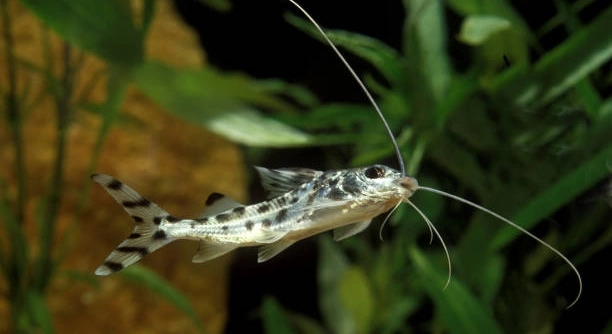
Many aquarium enthusiasts enjoy keeping pictus catfish for their active nature and striking appearance. These fish are known for their preference for dimmer environments compared to some other tropical species. Understanding their lighting needs helps maintain a healthy habitat.
Pictus catfish require low to moderate light levels to thrive. Excessive bright light can cause stress and reduce their activity. Providing shaded areas or subdued lighting mimics their natural riverbed environment and supports their well-being in captivity.
Proper lighting plays a key role in the comfort and health of pictus catfish. This article explains how to balance light conditions to create a suitable aquarium environment for these lively fish.
Natural Habitat Lighting Conditions
Pictus catfish originate from rivers and streams in Southeast Asia, where they often live under dense vegetation or in shaded areas. These natural environments provide low to moderate light, which helps protect them from predators and keeps their surroundings calm. Bright sunlight rarely reaches the riverbed directly, so pictus catfish have adapted to these dimmer conditions. Replicating this in an aquarium means avoiding strong overhead lights and providing hiding places such as plants, driftwood, or rocks. This setup allows the fish to feel secure and behave naturally, reducing stress and encouraging activity. Using a timer for aquarium lights can also help simulate day and night cycles, contributing to a healthier fish environment overall. Adjusting lighting to fit their needs supports their comfort and overall health, making it easier to care for pictus catfish at home.
Creating a balanced light environment benefits both fish and plants, ensuring harmony within the tank.
Maintaining natural light levels prevents stress-related behaviors and promotes better health. Shade areas or floating plants can help reduce brightness. The gradual light change during mornings and evenings imitates their natural habitat, encouraging normal feeding and activity patterns. Aquarium lighting that is too intense can cause the fish to hide excessively or become sluggish. Conversely, insufficient light might affect the tank’s plant growth and overall appearance. Monitoring and adjusting lighting based on pictus catfish behavior is a practical way to create an optimal living space. Proper light management improves the well-being of the fish and enhances the enjoyment of observing them in a healthy, natural setting.
Effects of Improper Lighting on Pictus Catfish
Too much light can stress pictus catfish, causing them to hide and become inactive. Bright lighting may interfere with their natural behavior and reduce feeding.
Stress from excessive light weakens their immune system, increasing susceptibility to illness. This can lead to decreased appetite and slower growth. Long exposure to bright lights might also disrupt their sleep patterns, causing fatigue. On the other hand, very dim lighting that is too low may affect plant growth and the tank’s overall balance, which could indirectly impact the fish’s environment. It is important to find the right balance in lighting to support both the fish and aquatic plants. Monitoring fish activity and adjusting light intensity can help maintain a healthy aquarium. In some cases, using dimmable lights or adding floating plants can soften harsh lighting while preserving visibility.
Proper lighting is essential for keeping pictus catfish healthy and active in captivity.
Choosing the Right Aquarium Lighting
Selecting appropriate lighting for pictus catfish means opting for fixtures that offer adjustable brightness. LED lights with dimming options work well, allowing you to control light intensity easily. Avoid using harsh fluorescent bulbs that produce excessive brightness.
LED lights provide energy efficiency and customizable settings, making them ideal for aquariums. They generate less heat, which helps maintain stable water temperatures. When setting up, consider adding floating plants or decorations to diffuse light and create shaded areas. This approach helps mimic the catfish’s natural environment. A lighting schedule that simulates natural day-night cycles supports regular fish behavior and reduces stress. It’s important to observe the fish after installation and adjust light levels as needed to ensure they remain active and healthy.
Proper lighting choice influences tank aesthetics and fish well-being. Combining soft light with natural decor creates a calming environment that encourages normal activity patterns in pictus catfish.
Adjusting Light Based on Tank Setup
The size and layout of your aquarium impact how light is distributed. Larger tanks with more surface area may require stronger lighting to reach the bottom evenly. In smaller tanks, lower intensity lights usually suffice to avoid overexposure.
Tank decorations also affect lighting needs. Dense plants and driftwood can block light, creating shaded spots that pictus catfish prefer. Adjust lighting so that these shaded areas remain comfortable without making the tank too dark. Monitoring the fish’s behavior helps determine if adjustments are needed. If the catfish hide excessively, lowering light intensity or adding more shade can help. Conversely, if they seem lethargic, slight increases in light may encourage activity. Balancing light according to tank specifics ensures a stable environment tailored to the fish’s natural preferences. This careful adjustment supports their health and encourages visible, natural behaviors.
Light Duration for Pictus Catfish
Pictus catfish do best with about 8 to 10 hours of light daily. This duration mimics their natural daylight cycle, supporting normal behavior and rest. Too much light can cause stress, while too little may affect tank plants.
Keeping a consistent light schedule with a timer helps maintain this balance. Regular periods of darkness allow the fish to rest and reduce stress levels. Consistent lighting supports their health and natural rhythms, promoting active and healthy fish.
Using Plants to Manage Light
Live plants help soften aquarium lighting naturally. They provide shade and reduce direct exposure to bright lights. Plants also improve water quality, benefiting pictus catfish health.
Signs of Lighting Stress
If pictus catfish hide frequently or appear lethargic, lighting may be too strong. Adjusting light levels often improves their comfort and activity.
Monitoring and Adjusting Light
Regularly observe fish behavior to ensure lighting meets their needs. Making small adjustments can significantly improve their well-being.
FAQ
How much light do pictus catfish need?
Pictus catfish need low to moderate lighting, roughly 8 to 10 hours a day. Bright or prolonged lighting can cause stress and hiding behavior. Providing shaded areas or plants helps create a comfortable, natural environment for them.
Can pictus catfish live in a brightly lit tank?
They can survive but may not thrive in bright light. Strong lighting often causes stress, leading to hiding and reduced activity. Using dimmable lights or adding cover with plants and decorations can help reduce light intensity and create a more suitable space.
What type of lighting is best for pictus catfish?
LED lights with adjustable brightness are the best option. They allow control over light levels and produce little heat, which keeps the water temperature stable. Avoid harsh fluorescent lights that can be too intense for these fish.
Should I use a timer for aquarium lighting?
Yes, a timer helps maintain consistent light and dark cycles, mimicking natural day and night. This consistency supports regular fish behavior, reduces stress, and helps keep aquatic plants healthy.
What happens if pictus catfish get too much light?
Excessive light can stress pictus catfish, making them hide more and become less active. Over time, stress weakens their immune system, increasing the chance of illness. It can also disrupt their natural rest cycles.
How can I create shaded areas in the tank?
Use floating plants, tall plants, driftwood, or rocks to create natural shade. These provide hiding spots and help reduce direct exposure to bright light, making the environment more comfortable for pictus catfish.
Does tank size affect lighting needs for pictus catfish?
Yes, larger tanks may require stronger lighting to reach the bottom evenly. Smaller tanks usually need less intense light. The tank layout and decoration also influence how much light penetrates the water.
Can too little light harm pictus catfish?
Too little light does not directly harm pictus catfish but may affect the growth of live plants and the overall tank environment. A balanced lighting setup is important for plant health and maintaining a natural habitat.
How do I know if my pictus catfish are stressed by light?
Signs include excessive hiding, reduced feeding, and sluggish movement. If these behaviors appear after increasing light levels, lowering the light intensity or adding more shade often helps.
Are there specific plants that work best for shading?
Floating plants like duckweed or Amazon frogbit provide good cover. Tall plants like Java fern or Anubias also create shaded spots. These plants not only reduce light but improve water quality.
Is natural sunlight suitable for pictus catfish tanks?
Natural sunlight can cause temperature fluctuations and algae growth. It’s better to use controlled artificial lighting to maintain stable conditions and avoid stressing the fish.
How often should I adjust lighting based on fish behavior?
Observe your fish regularly and adjust lighting when you notice changes in activity or stress signs. Small tweaks every few weeks are usually enough to keep lighting ideal.
Does the color of the light matter?
Pictus catfish do not require specific light colors. Natural white or slightly warm LED lights work well. Colored lights may stress the fish or interfere with their natural behavior.
Can lighting affect breeding behavior?
Proper lighting supports normal activity but is only one factor in breeding. Low to moderate light levels combined with good water quality and diet are more important for encouraging spawning.
Is it okay to turn off lights completely during the day?
Sudden darkness during their active hours can confuse pictus catfish. Maintaining a regular light cycle with gradual transitions is better for their health and comfort.
How do I balance lighting for both plants and pictus catfish?
Choose lighting that supports plant growth without being too bright for the fish. Using shaded areas, floating plants, and adjustable LEDs helps maintain this balance. Observing fish behavior ensures both thrive.
Proper lighting is an important part of caring for pictus catfish. These fish prefer environments that mimic the shaded and dim conditions of their natural habitats. Bright or prolonged lighting can cause stress and reduce their activity, so it is essential to provide low to moderate light levels. Using adjustable LED lights and incorporating plants or decorations for shade helps create a comfortable space for them. Maintaining a consistent light schedule with a timer also supports their natural day-night cycle, promoting healthy behavior and rest.
Balancing lighting for pictus catfish involves considering the size and layout of the aquarium. Larger tanks may need stronger lights to reach all areas, while smaller tanks require less intensity to avoid overexposure. Adding floating or tall plants and natural decorations not only softens the light but offers hiding spots that help reduce stress. Observing the fish regularly and adjusting the lighting based on their behavior is an effective way to meet their needs. Proper light management not only keeps the catfish active and healthy but also enhances the overall look and feel of the tank.
Lighting should work in harmony with other tank conditions like water quality, temperature, and diet to keep pictus catfish thriving. While lighting alone won’t solve all issues, it plays a key role in their well-being. Creating a stable, comfortable environment that includes gentle, natural light levels helps reduce stress and supports normal activity. With the right lighting and care, pictus catfish can live happily in captivity, showing off their lively nature and unique appearance. Paying attention to their light requirements is a small step that makes a big difference in their health and happiness.

Hello,
If you enjoy the content that we create, please consider saying a "Thank You!" by leaving a tip.
Every little bit helps us continue crafting quality advice that supports the health, happiness, and well-being of pets around the world, for pets of all shapes, sizes, and species.
We really appreciate the kindness and support that you show us!