
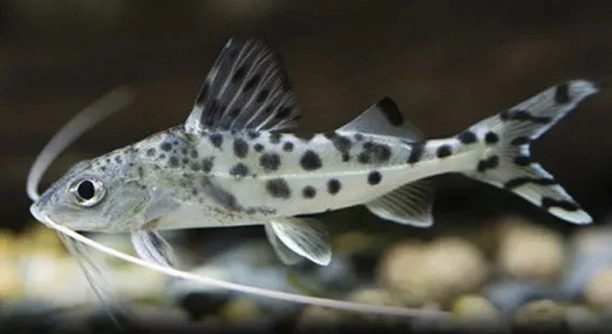
Keeping a solo Pictus catfish engaged requires understanding its natural behavior and needs. These active fish enjoy exploring their environment and benefit from a habitat that encourages movement and stimulation. Proper care ensures their well-being in a solitary setting.
Providing a varied environment with hiding spots, live plants, and objects to explore stimulates a solo Pictus catfish’s natural curiosity. Regular interaction through gentle feeding routines and tank maintenance also helps maintain their engagement and reduces stress.
Maintaining an engaging environment supports your catfish’s health and happiness over time. Simple adjustments in the tank setup can make a noticeable difference in their behavior and activity.
Create a Stimulating Tank Environment
A well-designed tank environment plays a key role in keeping a solo Pictus catfish active and engaged. These fish enjoy having places to explore and hide. Adding plants, rocks, and driftwood creates natural hiding spots and encourages movement. Smooth surfaces and gentle currents mimic their natural habitat, which helps reduce stress. Using a soft substrate is important because Pictus catfish often search for food by sifting through the bottom. Changing the tank layout occasionally can also prevent boredom by giving the fish new areas to investigate. Light levels should be moderate since Pictus catfish are more active during low light conditions. Maintaining clean water with stable parameters supports their overall health, which directly affects their activity. By providing a rich and varied environment, your catfish will show more natural behaviors and stay more entertained. This approach is simple but effective in promoting both physical and mental well-being.
Small changes in the tank setup can greatly improve the catfish’s engagement and reduce lethargy. These adjustments make a lasting difference.
Personalizing your tank with natural elements and thoughtful layout changes makes caring for your Pictus catfish more rewarding. Observing them explore and interact with their environment gives a glimpse into their natural instincts and helps build a stronger connection.
Introduce Interactive Feeding Techniques
Interactive feeding is a practical way to keep a solo Pictus catfish mentally stimulated. Instead of dropping food randomly, place it in different tank areas to encourage foraging behavior. Using sinking pellets or live foods like bloodworms simulates natural hunting activities. Feeding at consistent times creates a routine that your catfish can anticipate, promoting activity. You can also try feeding with tools like tweezers to guide food delivery, which helps your fish focus and engage more deeply with their environment. Offering a variety of foods not only meets nutritional needs but also adds interest during feeding times. Avoid overfeeding to prevent water quality issues, which can negatively impact the fish’s health and energy. Regularly observing feeding behavior helps you understand your catfish’s preferences and adjust care accordingly.
Engaging your catfish during feeding can enhance its activity levels and improve its quality of life.
These techniques require minimal effort but provide significant benefits. Feeding becomes an opportunity for interaction rather than just a routine, keeping your Pictus catfish alert and healthy.
Provide Hiding Spots and Shelter
Hiding spots reduce stress and encourage natural behaviors in solo Pictus catfish. These fish like places where they feel safe and can rest during the day. Using caves, plants, or decorations helps create secure areas within the tank.
Offering multiple hiding places mimics the catfish’s natural environment and makes the tank feel more comfortable. It also encourages exploration as the fish moves between shelters. Including a mix of open swimming space and sheltered areas balances activity and rest. Secure hiding spots can lower aggression and support the fish’s health by reducing anxiety. Using natural materials like smooth rocks or driftwood helps avoid injury while adding to the tank’s appeal. Regularly checking and cleaning these areas keeps them safe and inviting for your catfish.
Strategically placed shelters help your Pictus catfish feel more confident and maintain natural habits. This simple step enhances their overall well-being and engagement in the tank.
Maintain Proper Water Conditions
Stable water conditions are critical for the health and activity of solo Pictus catfish. They thrive in clean water with moderate temperature, low ammonia, and proper pH levels. Consistent maintenance ensures these parameters stay within the ideal range. Use a reliable filtration system to keep the water clear and oxygenated. Regular partial water changes remove waste and prevent harmful buildup. Monitoring water quality with test kits allows timely adjustments before problems arise. Avoid sudden changes in temperature or water chemistry, as Pictus catfish are sensitive and can become stressed easily. Maintaining proper conditions supports their immune system and keeps their energy levels high. A healthy fish is more likely to explore, feed actively, and exhibit natural behaviors.
Proper water care not only protects your catfish but also promotes a lively, stimulating environment. Clean, stable water directly impacts their engagement and longevity.
Use Tankmates Wisely
Choosing the right tankmates can provide stimulation without causing stress to a solo Pictus catfish. Avoid aggressive or overly active species that may intimidate your catfish. Peaceful, mid-to-bottom dwellers are better companions.
Tankmates should not compete for the same space or food. Compatible species create a balanced environment, allowing your catfish to feel secure and engaged without conflict.
Regularly Change Decorations
Changing decorations occasionally renews your catfish’s interest in the tank. New objects or rearranged plants create fresh exploration opportunities.
This simple practice prevents boredom and keeps your catfish mentally active. Changing the layout mimics a dynamic environment, encouraging natural behaviors.
Monitor Behavior Closely
Observing your Pictus catfish’s behavior helps identify boredom or stress early. Changes in activity or appetite can signal a need for environmental adjustments.
Regular monitoring ensures you respond promptly, maintaining a healthy and engaged fish.
How often should I change the tank decorations to keep my Pictus catfish engaged?
Changing tank decorations every few weeks or once a month is usually enough to keep your Pictus catfish interested. Rearranging plants, rocks, or hiding spots creates new areas for exploration. Avoid changing everything at once to prevent stress. Small, gradual changes work best.
Can Pictus catfish live happily alone without tankmates?
Yes, Pictus catfish can live happily alone if their environment is properly enriched. They are naturally active and curious, so providing hiding spots, stimulation, and regular feeding routines is important. However, some owners choose peaceful tankmates for additional activity without causing stress to the catfish.
What kind of foods keep a Pictus catfish engaged during feeding?
Offering a variety of foods like sinking pellets, frozen or live bloodworms, and occasional vegetables keeps feeding interesting. Using different food types encourages natural hunting and foraging behaviors. Avoid overfeeding, as uneaten food can affect water quality and fish health.
How important is water quality for the activity level of a Pictus catfish?
Water quality is very important. Poor water conditions can cause stress, lethargy, and illness, which reduce activity. Regular water changes, proper filtration, and monitoring ammonia, nitrite, nitrate, and pH levels help maintain stable water conditions that support a healthy and active catfish.
Are there specific tank decorations that Pictus catfish prefer?
Pictus catfish prefer natural decorations such as smooth rocks, driftwood, and live or silk plants. These provide hiding spots and surfaces to explore without risking injury. Avoid sharp or rough objects since these fish have delicate barbels and skin that can be easily damaged.
How can I tell if my Pictus catfish is bored or stressed?
Signs of boredom or stress include hiding excessively, reduced activity, loss of appetite, or erratic swimming. Stress can also lead to weakened immune response and increased susceptibility to disease. Observing your fish regularly helps catch these signs early so you can adjust their environment.
Is it necessary to feed Pictus catfish at specific times?
Feeding at regular times helps establish a routine that the fish can anticipate, which encourages activity and reduces stress. Typically, feeding once or twice daily is sufficient. Consistency in feeding times supports natural behaviors and maintains engagement.
Can Pictus catfish recognize their owner or interact with them?
While Pictus catfish don’t form bonds like some pets, they can recognize movement and feeding cues from their owner. They may become more active when you approach the tank, especially at feeding times. This interaction can be a form of stimulation for the fish.
What tank size is best for a solo Pictus catfish?
A tank of at least 30 gallons is recommended for a single Pictus catfish. They are active swimmers and need enough space to explore comfortably. Larger tanks allow for better environmental enrichment and more stable water parameters, promoting overall health.
How often should I check water parameters for a solo Pictus catfish tank?
Checking water parameters once a week is a good practice. Testing for ammonia, nitrites, nitrates, and pH ensures the tank remains safe and healthy. More frequent checks may be needed if the fish shows signs of stress or if maintenance has been recently performed.
What are the risks of overcrowding the tank with tankmates?
Overcrowding causes stress, competition for food, and poor water quality, all of which negatively affect a Pictus catfish. It may lead to aggressive behavior and reduce the catfish’s activity. Maintaining appropriate stocking levels keeps the environment balanced and fish healthy.
Can changing the tank lighting affect my Pictus catfish’s behavior?
Yes, lighting impacts their activity. Pictus catfish prefer dim to moderate lighting as they are more active in low light conditions. Too bright lighting can cause stress and hiding, while a gentle light cycle helps regulate their natural rhythms and encourages normal behavior.
Should I use live plants or artificial plants in my Pictus catfish tank?
Live plants offer natural benefits like oxygenation, hiding places, and water quality improvement. However, artificial plants are easier to maintain and avoid plant-eating damage. Both types provide shelter and enrichment, so the choice depends on your tank setup and maintenance preferences.
How long do Pictus catfish usually live in captivity?
With proper care, Pictus catfish can live up to 8–10 years. Maintaining good water quality, a varied diet, and an enriched environment helps support their longevity and keeps them active throughout their life span.
Is it necessary to provide current or water flow in the tank?
Moderate water flow is beneficial as it mimics the Pictus catfish’s natural river environment. It encourages swimming and prevents stagnant areas. Avoid strong currents, which can exhaust the fish. Proper filtration can create gentle water movement suitable for them.
These frequently asked questions cover essential care tips for maintaining a healthy and engaged solo Pictus catfish. Understanding their needs helps create an environment where your catfish can thrive and display natural behaviors consistently.
Keeping a solo Pictus catfish engaged requires thoughtful care and attention. These fish are naturally active and curious, so their environment needs to support these traits. Providing a well-arranged tank with plenty of hiding spots and stimulating decorations encourages exploration and activity. Changing the tank layout occasionally keeps things fresh and prevents boredom. Feeding routines that include varied food types and interactive techniques help maintain mental stimulation. Consistent care in maintaining water quality and temperature supports overall health and keeps the fish energetic. All of these factors work together to create a balanced and engaging home for your catfish.
It is important to understand that every Pictus catfish has its own personality and may respond differently to various types of enrichment. Some may enjoy more hiding spots and gentle water currents, while others may prefer open spaces and frequent feeding interaction. Observing your fish’s behavior regularly allows you to adjust care and environment to better suit its needs. Paying attention to signs of stress, such as hiding too much or reduced appetite, helps you intervene early and improve conditions. Maintaining a healthy environment with clean water and stable parameters is essential because a stressed or sick fish will be less active and less engaged.
In the end, keeping a solo Pictus catfish engaged is about balancing their natural behaviors with your care routine. Small efforts like providing natural decorations, using varied foods, and changing tank features make a big difference in their quality of life. This kind of attentive care promotes healthy behavior and reduces the risk of boredom or stress. By understanding and meeting the needs of your catfish, you can enjoy watching it thrive and stay active for years to come. The satisfaction comes from creating a supportive environment where your fish feels secure, stimulated, and healthy.

Hello,
If you enjoy the content that we create, please consider saying a "Thank You!" by leaving a tip.
Every little bit helps us continue crafting quality advice that supports the health, happiness, and well-being of pets around the world, for pets of all shapes, sizes, and species.
We really appreciate the kindness and support that you show us!