
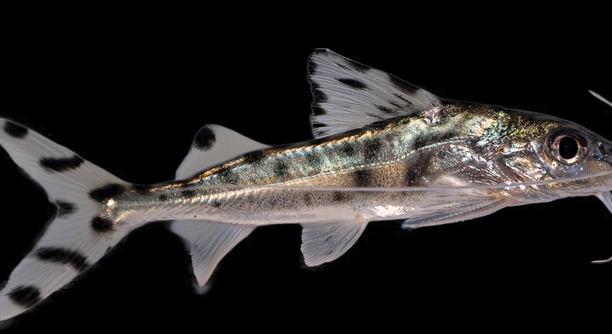
Have you ever noticed your pictus catfish staying still for long periods and wondered if something might be wrong?
Pictus catfish may suddenly stop swimming due to stress, poor water quality, illness, or lack of stimulation. These conditions can disrupt their natural behavior and require immediate attention to maintain their health and activity levels.
Understanding the root causes can help you create a safer and more comfortable environment for your fish.
Common Reasons Your Pictus Catfish Stops Swimming
A pictus catfish that suddenly stops swimming might be reacting to something in its environment. Stress is a common cause, often triggered by sudden changes in water parameters, aggressive tank mates, or a lack of hiding spots. Poor water quality, especially high ammonia or nitrite levels, can affect their activity and overall health. Illness, such as bacterial infections or parasites, might also reduce movement. In some cases, low oxygen levels or an inappropriate tank setup may be to blame. These fish are active by nature, so any unusual behavior is a sign that something is off in their surroundings.
Small tanks and limited enrichment can lead to boredom or stress-related inactivity.
A stable, well-maintained tank can support your pictus catfish’s active nature. Regular water tests, a proper diet, and reducing stress factors are key. When fish feel safe and stimulated, they’re more likely to swim, explore, and stay healthy overall.
Environmental and Health Factors
Dirty water, sudden temperature changes, and lack of oxygen are major triggers that can make your fish stop moving.
Pictus catfish need clean, oxygen-rich water and a stress-free environment to stay active. If your tank has poor filtration, ammonia can build up quickly and lead to lethargy. Sudden shifts in temperature or pH also impact their energy levels. Along with that, these fish need enough oxygen to stay active. If you notice gasping at the surface, add an air stone or adjust your filter. Health issues like internal parasites or bacterial infections often cause the fish to slow down or hide. A lack of appetite, white spots, or unusual markings may signal illness. Also, avoid overfeeding—rotting food can lower water quality and increase stress. Make sure tank mates aren’t chasing or bullying your pictus catfish. Aggression leads to hiding and fear, which reduces swimming. Keep their space calm, spacious, and clean to help them recover normal behavior.
Behavioral Signs to Watch For
If your pictus catfish isn’t swimming, look for other signs like rapid gill movement, hiding more than usual, or a loss of appetite. These subtle changes can help you figure out what’s wrong before it becomes a bigger problem.
Lethargy in pictus catfish often comes with reduced interest in food and staying close to the bottom. If the fish is usually active and suddenly changes behavior, this should not be ignored. Watch for faded color, damaged fins, or unusual spots—these might point to stress or illness. If your catfish starts avoiding certain areas or tank mates, it may feel threatened. Flashing, or rubbing against objects, could signal parasites or irritation. You’ll also want to check if it’s breathing too fast, as this could mean low oxygen or poor water quality. These behavioral clues give you helpful insight into what your catfish might be experiencing.
When you notice signs like sluggish movement or hiding, avoid turning on bright lights or tapping the glass. These fish can become easily stressed by noise or sudden light. Instead, keep the environment calm and observe them quietly. Sudden inactivity isn’t always an emergency, but changes that happen quickly or worsen should prompt action. Pay attention to routine behaviors so you can spot what’s unusual more easily. Consistency in tank care and awareness of your fish’s habits will help you react early. Keeping a journal of symptoms, water test results, and feeding patterns may also guide better decisions when things seem off.
How to Help Your Catfish Recover
Start by checking the basics—test the water parameters, clean the tank if needed, and observe your fish’s behavior without disturbing them. Quick fixes can make a big difference when caught early.
If ammonia or nitrite levels are high, do a partial water change immediately. Keep the tank at a steady temperature between 74–80°F, and make sure the filter and aeration systems are working well. Add hiding spaces using driftwood or plants to reduce stress. If tank mates are aggressive, move them to a separate tank. Feed high-quality food in small portions, and avoid overfeeding. If your pictus catfish shows signs of illness, consider using a quarantine tank and treating it with aquarium-safe medication based on the symptoms. Observe your fish daily and make small adjustments rather than large ones to avoid causing more stress. Sometimes, just giving them time to adjust after a change in their environment helps restore normal behavior.
Preventing Future Issues
Keep your tank clean with regular water changes and test the water weekly. Stable parameters help your pictus catfish stay active and healthy. Avoid sudden changes in temperature, pH, or lighting that could trigger stress-related behavior.
Feed a varied, balanced diet and avoid overcrowding the tank. Pictus catfish need space to explore and feel safe. Add plants, driftwood, and caves for hiding. These small adjustments make a big difference in their overall behavior.
When to Seek Help
If your catfish remains inactive after you’ve addressed water quality and tank conditions, it may be time to consult an aquatic veterinarian. Prolonged inactivity, especially with physical changes or loss of appetite, could point to a more serious condition. Waiting too long might reduce your fish’s chances of recovery.
Final Tips to Keep in Mind
Watch your catfish closely during feeding and cleaning routines. You’ll learn what’s normal and notice changes faster this way.
FAQ
Why has my pictus catfish suddenly stopped swimming?
There are several reasons why your pictus catfish may stop swimming suddenly. Common causes include stress from changes in water conditions, illness, poor water quality, or aggressive tank mates. It could also be due to boredom or lack of hiding places. Checking water parameters and observing behavior closely can help identify the issue early.
How can I tell if my pictus catfish is sick?
Look for signs like loss of appetite, faded colors, clamped fins, or unusual spots on the body. Flashing, rubbing against tank objects, or breathing rapidly are also warning signs. Inactivity paired with these symptoms often indicates illness and may require treatment.
What water conditions are best for pictus catfish?
Pictus catfish thrive in clean, well-oxygenated water with a temperature between 74°F and 80°F. The pH should be slightly acidic to neutral (6.5–7.5). Regular water testing is essential to keep ammonia, nitrite, and nitrate levels low. Proper filtration and aeration support their active nature.
Can tank mates affect my pictus catfish’s swimming behavior?
Yes, aggressive or overly active tank mates can stress pictus catfish, causing them to hide or stop swimming. It’s important to choose peaceful companions and ensure the tank is large enough to reduce competition. Adding plenty of hiding spots helps reduce stress from other fish.
How often should I clean my tank to keep my pictus catfish healthy?
A weekly partial water change of 20-30% is usually sufficient to maintain good water quality. Clean the substrate and remove uneaten food regularly to prevent ammonia buildup. Avoid cleaning the entire tank at once, as this can disrupt beneficial bacteria.
What should I feed my pictus catfish?
Feed a varied diet including high-quality sinking pellets, frozen or live foods like bloodworms and brine shrimp. Avoid overfeeding, as leftover food can pollute the water. Feeding small portions 1-2 times a day usually works well.
Is it normal for pictus catfish to rest on the bottom?
Yes, pictus catfish sometimes rest on the bottom or among decorations. However, if they stay motionless for long periods or lose interest in food, this may signal health issues or stress. Regular observation helps distinguish normal rest from problematic inactivity.
How can I reduce stress for my pictus catfish?
Maintain stable water conditions, provide plenty of hiding places, avoid sudden changes in lighting or temperature, and choose compatible tank mates. A calm environment helps keep pictus catfish active and healthy.
What should I do if my pictus catfish shows signs of illness?
Isolate the affected fish in a quarantine tank to prevent spreading illness. Test water quality and perform partial water changes. Depending on symptoms, use appropriate aquarium-safe medications after consulting care guides or a vet. Monitor closely and adjust care as needed.
Can overcrowding cause my pictus catfish to stop swimming?
Yes, overcrowded tanks increase stress and reduce oxygen levels, causing lethargy. Make sure your tank size is appropriate for the number of fish and maintain proper filtration and aeration. Adequate space encourages natural activity.
How long can pictus catfish go without swimming?
Short periods of inactivity can be normal, especially during rest. However, extended inactivity lasting more than a day or two often indicates a problem. Early detection and care improve recovery chances.
Are there any signs that indicate my pictus catfish is happy and healthy?
Active swimming, bright coloration, regular eating, and exploring the tank are good signs. You might see your fish resting calmly in a safe spot but ready to move. Consistent behavior and good appetite show your catfish is thriving.
Can temperature fluctuations affect my pictus catfish’s activity?
Yes, sudden temperature changes can stress fish and reduce their activity. Keep tank temperature stable and avoid placing the aquarium near drafts or heat sources. Using a reliable heater with a thermostat helps maintain steady conditions.
How important is tank size for pictus catfish activity?
Pictus catfish are active swimmers and need enough room to move freely. A minimum tank size of 30 gallons is recommended to accommodate their needs and reduce stress caused by cramped space. Larger tanks provide better water quality and more opportunities for exploration.
What role does oxygen play in my pictus catfish’s swimming behavior?
Oxygen is vital for healthy fish activity. Poor aeration or overstocking can lower oxygen levels, causing lethargy. Adding air stones or improving filter flow helps maintain oxygen levels. Watching for gasping at the surface can indicate oxygen shortage.
Can I prevent my pictus catfish from stopping swimming in the future?
Maintaining clean water, stable conditions, a balanced diet, and a stress-free environment are key. Regular monitoring and early intervention when behavior changes occur reduce risks of inactivity. Proper tank setup with hiding spots also supports their natural behavior.
Pictus catfish are lively fish that bring movement and interest to any aquarium. When they suddenly stop swimming, it can be worrying. Often, this change in behavior points to a problem with their environment or health. Many common causes include poor water quality, stress, illness, or unsuitable tank mates. Addressing these factors quickly helps prevent further issues and supports your catfish’s return to normal activity. Understanding their needs and observing their habits closely will give you the best chance to keep them healthy and active.
Keeping a stable tank environment is essential. Regular water testing, timely water changes, and proper filtration maintain good water quality, which is key to your catfish’s wellbeing. Changes in temperature or pH should be slow and minimal. Providing plenty of hiding places and ensuring the tank is not overcrowded reduces stress. It’s also important to feed your pictus catfish a balanced diet in moderate amounts. Overfeeding can pollute the water and cause health problems. When your fish shows signs of illness or stops moving, take action early by checking the tank and considering treatment if needed. A calm, well-maintained tank encourages your pictus catfish to swim actively and display natural behaviors.
Patience and attention are important when caring for pictus catfish. They may take time to recover after stress or illness, so avoid sudden changes in their environment while they heal. Observing their behavior daily helps you notice subtle changes before problems become severe. Keeping a clean, peaceful tank with proper care supports their long-term health. By meeting their needs and responding to changes quickly, you can enjoy the lively and graceful swimming your pictus catfish are known for. With a little effort and care, your fish can thrive and stay active in your home aquarium for years.

Hello,
If you enjoy the content that we create, please consider saying a "Thank You!" by leaving a tip.
Every little bit helps us continue crafting quality advice that supports the health, happiness, and well-being of pets around the world, for pets of all shapes, sizes, and species.
We really appreciate the kindness and support that you show us!