
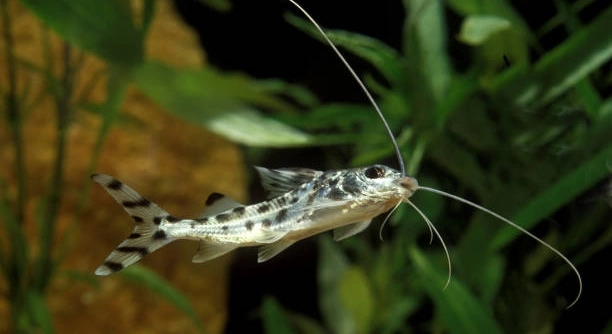
Is your Pictus catfish spending too much time near the heater in your aquarium? This behavior can be concerning for many fish owners who want their pets to stay healthy and comfortable. Understanding why they do this helps in providing better care.
Pictus catfish often stay near the heater because they seek warmer water, especially if the tank temperature is too low or inconsistent. Ensuring a stable and appropriate temperature range between 75°F and 82°F helps prevent this behavior and promotes their well-being.
Knowing why your catfish behaves this way can improve how you maintain your aquarium’s environment. The following information will help you create a better habitat for your fish.
Why Pictus Catfish Prefer Warmer Areas
Pictus catfish naturally come from warm, tropical waters. When their tank temperature drops below their comfort level, they tend to seek out warmer spots to maintain their body heat. The heater in an aquarium creates a localized warm zone, which explains why these fish may stay close to it. However, if your tank’s overall temperature is uneven, your catfish will keep moving toward the heater instead of exploring the whole aquarium. Sudden changes in room temperature, poor heater placement, or a malfunctioning thermostat can all cause temperature inconsistencies. These factors can stress your fish, affecting their appetite and activity. Consistently monitoring your tank’s temperature and adjusting the heater to maintain a steady environment will help your Pictus catfish feel secure and comfortable.
Maintaining a stable temperature between 75°F and 82°F is crucial to avoid this behavior. Use a reliable thermometer to check the water regularly.
When your Pictus catfish stays near the heater, it indicates they are seeking warmth due to possible cold spots elsewhere in the tank. Adjusting the heater’s position and checking the water temperature across different areas will create a more even climate. Adding a tank fan or placing the aquarium away from drafts can also help maintain consistent warmth. These changes encourage your catfish to swim freely rather than sticking near the heater for comfort.
How to Improve Your Tank’s Temperature Balance
Regularly checking your aquarium’s temperature in multiple locations is essential. This practice helps identify cold spots where your fish might avoid. Consistent temperature encourages better fish health.
To improve temperature balance, ensure your heater is properly sized for your tank and placed in an area with good water circulation. Avoid placing the aquarium near windows or vents that cause temperature fluctuations. A heater guard can prevent fish from direct contact, reducing stress or injury. Additionally, adding an air stone or filter with good flow promotes even heat distribution. Remember, keeping your aquarium stable benefits all its inhabitants, not just your Pictus catfish. Monitoring equipment regularly for malfunctions and replacing old heaters when necessary will support a stable environment and improve your fish’s overall health and behavior.
Common Signs of Stress in Pictus Catfish
Pictus catfish showing stress may hide more often, lose appetite, or become less active. Their fins might clench close to their bodies, and they may breathe rapidly. Noticing these signs early helps prevent health problems.
Stress can weaken a catfish’s immune system, making it vulnerable to diseases. Constant exposure to cold water causes discomfort, leading to abnormal behaviors like staying near the heater. Stress may also cause the fish to scratch against objects or lose color vibrancy. Monitoring their behavior and water conditions regularly ensures early detection of stress. Acting quickly by adjusting the environment helps restore balance and comfort.
Environmental stress isn’t the only factor affecting Pictus catfish. Poor water quality, overcrowding, and incompatible tank mates can also contribute. Keeping the tank clean, maintaining proper filtration, and providing enough space minimize these additional stressors. Ensuring a peaceful environment supports your fish’s health and natural behavior.
Adjusting the Heater and Tank Setup
Place the heater near the filter output to promote even heat distribution. This setup reduces warm and cold spots, helping your catfish explore the entire tank freely.
Avoid placing decorations directly in front of the heater, as they can block heat flow. Using a heater guard protects your fish from direct contact, preventing burns or injuries. Regularly check the heater’s temperature settings and replace faulty equipment to maintain stability. Adding plants or rocks can help regulate temperature by absorbing and releasing heat gradually. Balancing the tank’s environment benefits not only your Pictus catfish but all aquarium inhabitants, encouraging healthier behavior overall.
Tank Temperature Monitoring Tips
Use a reliable aquarium thermometer to track temperature regularly. Check multiple spots to ensure even heat distribution. This prevents cold zones that attract your catfish near the heater.
Digital thermometers with alarms can alert you to sudden temperature changes. Keeping consistent readings helps maintain a stable environment for your fish.
Feeding and Activity Considerations
If your Pictus catfish stays near the heater, low activity might affect its feeding habits. Offer food in different tank areas to encourage movement. Feeding in warmer water areas can also motivate your fish to explore.
Varying feeding locations helps reduce stress and promotes natural foraging behavior. Consistent feeding times combined with stable water conditions support your catfish’s health and well-being.
Heater Maintenance Essentials
Regularly clean the heater to prevent buildup that can affect its performance. A well-maintained heater ensures accurate temperature control.
Check the heater for cracks or damage to avoid sudden malfunctions that could harm your fish.
FAQ
Why does my Pictus catfish always stay near the heater?
Your Pictus catfish is likely seeking warmth because the tank temperature is too low or uneven. These fish prefer water between 75°F and 82°F. If the temperature drops below this range or fluctuates, your catfish will stay close to the heater to stay comfortable. Checking your heater’s settings and monitoring the water temperature in different areas of the tank can help prevent this behavior.
Is it harmful if my catfish stays near the heater for too long?
Staying near the heater for extended periods may stress your catfish. Constant exposure to localized heat can cause burns or weaken its immune system. It also means the overall tank temperature might not be suitable. Maintaining a stable temperature throughout the aquarium reduces this risk and encourages healthier movement.
How can I ensure even heat distribution in my aquarium?
Place your heater near the water filter’s output or a location with good circulation. This spreads warm water evenly and avoids hot spots. Adding an air stone or additional water movement devices helps distribute heat throughout the tank.
What temperature is best for Pictus catfish?
A temperature range of 75°F to 82°F is ideal. Consistency within this range helps your catfish stay healthy and active. Avoid rapid fluctuations that can stress them.
Can a malfunctioning heater cause my fish to act strangely?
Yes. A heater that is too hot or too cold can cause abnormal behaviors, including staying near the heater or hiding. Regularly test your heater and replace it if it shows signs of failure.
How often should I check my aquarium temperature?
Daily temperature checks are best, especially if you notice your fish near the heater. Use a reliable thermometer and test multiple spots to confirm consistent warmth.
Can poor water quality cause my Pictus catfish to stay near the heater?
Poor water quality stresses fish and can contribute to unusual behavior. Make sure to test water parameters like ammonia, nitrite, and nitrate regularly. Keeping the tank clean supports your fish’s health and reduces stress.
Is it normal for Pictus catfish to be less active when they stay near the heater?
Reduced activity is common when fish seek warmth because they may feel uncomfortable in cooler water. Improving the tank’s temperature balance encourages more natural swimming and feeding behavior.
Should I adjust feeding if my Pictus catfish stays near the heater?
Yes. Feeding in different tank areas encourages movement and reduces stress. Providing food near the heater occasionally helps if your fish tends to stay there, but try to promote exploration.
Can tank decorations affect heater efficiency?
Yes. Decorations placed too close to the heater can block heat flow and create cold spots. Position decorations carefully to avoid interfering with heat circulation.
How can I protect my catfish from getting burned by the heater?
Use a heater guard or cover to prevent direct contact. This reduces the risk of burns or injuries caused by your fish touching the heater’s hot surface.
What should I do if my heater suddenly stops working?
Turn off the equipment immediately and replace or repair the heater. Sudden loss of heat can shock your fish. Have a backup heater ready to maintain temperature during emergencies.
Are Pictus catfish sensitive to temperature changes?
Yes, they are sensitive and prefer stable conditions. Sudden drops or spikes in temperature can cause stress or illness, so gradual adjustments are better when needed.
Can adding plants help regulate tank temperature?
Live plants absorb and release heat slowly, which can help moderate temperature swings. They also improve water quality, creating a better environment overall.
Is it okay to use more than one heater in a tank?
Using two heaters can help maintain even temperature in larger tanks. Place them on opposite sides for better heat distribution and to reduce cold spots.
How do I know if my Pictus catfish is stressed due to temperature?
Signs include hiding, loss of appetite, clamped fins, or unusual swimming patterns. Addressing temperature issues quickly will help reduce stress and improve health.
When your Pictus catfish stays near the heater, it is usually a sign that the aquarium temperature is not ideal. These fish come from warm environments and need stable water conditions to thrive. Consistently monitoring the temperature and making sure it stays between 75°F and 82°F is important. If the water is too cold or unevenly heated, your catfish will naturally seek out warmer spots near the heater. This behavior can indicate discomfort or stress, which may affect their health over time.
Maintaining a balanced and stable temperature requires some attention to the tank setup. Proper placement of the heater and good water circulation are key factors. Placing the heater near the filter output or using a pump to move water around can help spread heat evenly. It is also important to avoid placing decorations that block the flow of warm water. Regularly checking your equipment ensures everything is working correctly and prevents sudden temperature changes that could harm your fish. Taking these steps will create a healthier environment that encourages your Pictus catfish to swim freely and behave naturally.
Besides temperature, other factors like water quality, tank size, and feeding habits also affect your catfish’s comfort and activity. Clean water, enough space, and a good diet help reduce stress and support overall well-being. Watching for signs of stress, such as hiding or loss of appetite, can guide you to make necessary changes. By maintaining stable temperature and good care practices, you provide the best conditions for your Pictus catfish. This will help your fish stay healthy, active, and happy in your aquarium.

Hello,
If you enjoy the content that we create, please consider saying a "Thank You!" by leaving a tip.
Every little bit helps us continue crafting quality advice that supports the health, happiness, and well-being of pets around the world, for pets of all shapes, sizes, and species.
We really appreciate the kindness and support that you show us!