
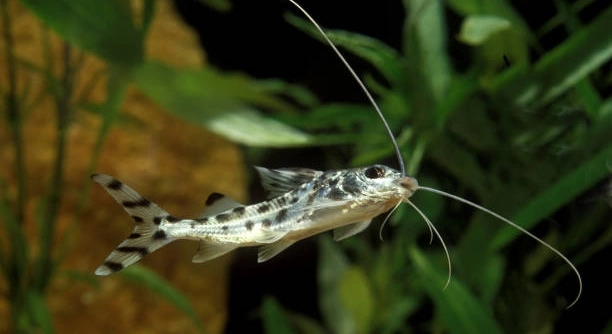
Many fish owners notice that their Pictus Catfish often spend time at the bottom of the tank. This behavior can seem normal, but it sometimes signals underlying reasons. Understanding why they do this helps keep them healthy and happy.
Pictus Catfish stay at the bottom primarily due to their natural bottom-dwelling habits, stress, poor water quality, lack of hiding spots, illness, inappropriate tank conditions, or limited food availability. These factors influence their comfort and behavior in captivity.
Knowing these reasons can improve your care routine and environment for your catfish. This article will explain each factor clearly, helping you create a better home for your fish.
Natural Bottom-Dwelling Behavior
Pictus Catfish naturally live and feed near the bottom of rivers and streams. Their bodies are designed for this lifestyle, with whiskers (barbels) to help find food in dark or murky water. In a home aquarium, it is normal for them to spend much time near the substrate. They may explore the bottom for leftover food or resting spots among plants and decorations. This behavior is part of their instinct and does not usually indicate any problem. Owners should expect to see their Pictus Catfish swimming low in the tank, especially during the day when they are less active. Nighttime activity tends to increase, but resting near the bottom remains common.
Even in a clean and well-maintained tank, bottom-dwelling is typical behavior for this species.
Knowing this natural habit helps set expectations for your fish’s activity and tank placement.
Stress and Water Quality
Stress often causes Pictus Catfish to stay low in the tank. Poor water quality, such as high ammonia or nitrite levels, can make them uncomfortable. These fish are sensitive to sudden changes in temperature, pH, or water hardness. Without stable conditions, they become stressed and may hide near the bottom for safety. Inadequate oxygen levels also contribute to this behavior, as the bottom may hold cooler, oxygen-rich water. Stress reduces their immune system, making them vulnerable to illness.
Keeping water clean and parameters stable helps reduce stress in your fish.
Frequent water tests and changes are essential for a healthy environment.
Lack of Hiding Spots
Pictus Catfish feel safer when they have places to hide. In the wild, they use rocks, plants, and debris for shelter. Without these, they may stay at the bottom in open areas, appearing shy or withdrawn. Providing caves, driftwood, or dense plants gives them spots to retreat. This helps reduce stress and encourages natural behavior. Fish with hiding places tend to be more active and show their true personalities.
Simple additions to your tank can make a big difference in your catfish’s comfort and well-being.
Illness or Injury
When a Pictus Catfish is sick or injured, it often stays at the bottom. Symptoms such as lethargy, loss of appetite, or unusual spots may appear. Illness can come from poor water conditions, parasites, or bacterial infections. Injuries might result from sharp decorations or tankmates. Keeping a close eye on your fish’s health helps catch problems early. Quarantining new fish before adding them to the tank also prevents disease spread.
Prompt action improves chances of recovery and keeps your fish safe.
Inappropriate Tank Conditions
Tank size and setup play a role in where Pictus Catfish spend their time. These fish need enough space to swim and explore. A small or overcrowded tank causes stress and forces them to stay near the bottom. They prefer moderate lighting and a gentle current, similar to their natural habitat. Rough or bare tanks can make them feel exposed, limiting movement. Proper substrate, plants, and hiding spots contribute to their well-being.
Setting up your tank to meet these needs encourages healthy, active fish.
Limited Food Availability
If food is scarce or only offered at the surface, Pictus Catfish may stay low, searching for scraps. These bottom feeders rely on sinking pellets, flakes, or live food to meet their dietary needs. Feeding only floating food can leave them hungry, causing stress and inactivity. Offering food that sinks quickly encourages natural foraging behavior and keeps them energetic. Regular feeding schedules also help maintain their health and prevent bottom-dwelling from hunger.
Balanced feeding supports your catfish’s natural habits and overall health.
Tankmates and Social Behavior
Pictus Catfish prefer peaceful tankmates and moderate social interaction. Aggressive or overly active fish can stress them, causing them to hide at the bottom. They also enjoy small groups of their own species but can feel lonely or threatened when kept alone.
Stress from unsuitable tankmates leads to withdrawn behavior. Aggressive fish may chase or nip at the Pictus Catfish, forcing it to stay hidden. On the other hand, overly shy or slow-moving species can be overshadowed, upsetting the social balance. Keeping compatible fish and ensuring enough space helps maintain a calm environment. A peaceful community tank with similar-sized fish is ideal for their well-being.
Providing a proper social setting allows your Pictus Catfish to feel secure, explore more, and show natural behaviors. This improves their quality of life and reduces bottom-dwelling caused by stress.
Nighttime Activity and Rest Patterns
Pictus Catfish are naturally more active during dusk and night, resting mostly during the day. Their behavior of staying near the bottom is partly due to their rest cycles.
During daylight, these catfish tend to find quiet spots near the substrate to rest and feel safe. This is normal and should not be confused with illness or stress. At night, they become more active, swimming through the tank and searching for food. Providing dim lighting or a natural day-night cycle supports their health.
Understanding their activity patterns helps owners avoid unnecessary worry about daytime bottom dwelling. Offering proper hiding spots and feeding times that match their routine encourages a healthy lifestyle and natural behavior.
Substrate Type and Comfort
Pictus Catfish prefer soft, smooth substrates like sand or fine gravel. Rough or sharp substrates can irritate their sensitive barbels and skin. A comfortable bottom encourages them to explore rather than hide.
Choosing the right substrate helps keep your catfish healthy and active. It also prevents injuries that make them stay at the bottom more than usual.
Lighting Conditions
Bright or harsh lighting can stress Pictus Catfish, causing them to stay near the bottom where it feels darker. They prefer dim or moderate light that mimics their natural environment. Adjusting the lighting helps reduce stress and encourages normal behavior.
Tank Maintenance and Cleaning
Regular tank cleaning and maintenance are essential for a healthy environment. Dirty tanks increase waste and toxins, which can stress fish and force them to hide at the bottom. Proper care ensures stable water quality and reduces disease risks.
Feeding Techniques
Offering food at the bottom of the tank mimics natural feeding and encourages Pictus Catfish to come out. Sinking pellets or frozen foods work best. Feeding in this way supports their natural habits and keeps them engaged.
Why does my Pictus Catfish stay at the bottom all day?
Pictus Catfish naturally spend much of their time near the bottom as part of their normal behavior. They rest there during the day and become more active at night. However, if they stay at the bottom constantly and show signs of lethargy or hiding, it could mean stress, illness, or poor water conditions. Checking water quality and tank setup is important to rule out problems.
Is it normal for Pictus Catfish to stay hidden?
Yes, hiding is normal for Pictus Catfish, especially if they feel threatened or stressed. They use hiding spots to feel safe, just like in the wild. Lack of hiding places or aggressive tankmates can increase their tendency to hide. Providing caves, plants, or decorations helps them feel secure and more active.
Can poor water quality cause bottom-dwelling behavior?
Absolutely. High ammonia, nitrites, or nitrates can stress fish and cause them to stay low and inactive. Pictus Catfish are sensitive to water changes and need stable, clean water. Regular testing and water changes help maintain good water quality and prevent health issues.
How does tank size affect my Pictus Catfish’s behavior?
A small or overcrowded tank limits swimming space and increases stress, which makes your catfish stay at the bottom more often. They need enough room to swim freely and explore. A tank of at least 30 gallons is recommended for Pictus Catfish to thrive and behave naturally.
What tankmates work best with Pictus Catfish?
Peaceful, similar-sized fish make the best tankmates. Avoid aggressive or very large fish that can bully or stress your catfish. Good companions include tetras, danios, and peaceful barbs. Keeping a calm community tank supports their comfort and activity.
Does lighting affect where my catfish stay?
Yes, bright lighting can make Pictus Catfish feel exposed and stressed. They prefer dim or moderate lighting with shaded areas. Using floating plants or adjustable lights can create a more natural environment that encourages your catfish to swim more and hide less.
How often should I feed Pictus Catfish?
Feeding once or twice daily with sinking pellets, frozen foods, or live food is ideal. Feeding at the bottom encourages natural foraging and keeps them active. Avoid overfeeding, as leftover food can pollute the tank and harm your fish’s health.
What signs show my Pictus Catfish is sick?
Lethargy, loss of appetite, clamped fins, unusual spots or discoloration, and heavy breathing are signs of illness. If you notice these, check water quality and consider quarantine or treatment. Early action improves chances of recovery.
Can Pictus Catfish live alone?
While they can survive alone, Pictus Catfish are social and often do better in small groups. A group of at least three helps reduce stress and encourages natural behaviors. Keeping only one may cause loneliness or shyness.
How important is substrate choice?
Very important. Soft substrates like sand or smooth gravel protect their barbels and skin. Rough or sharp substrate can injure them, leading to stress and bottom-dwelling. Choosing the right substrate helps keep your catfish healthy and comfortable.
Why does my catfish stay at the bottom after a water change?
Sudden water changes can shock Pictus Catfish, making them hide or stay low. They prefer stable conditions. To reduce stress, change water gradually and keep temperature and pH consistent. Adding hiding spots after water changes helps them feel safe.
What do I do if my catfish won’t come up to eat?
If your Pictus Catfish stays at the bottom and ignores food, try sinking pellets or frozen foods placed near them. Feeding at night or during low light times can also help. Check tank conditions and health if the behavior continues.
How do I reduce stress for my Pictus Catfish?
Provide a peaceful tank, stable water conditions, plenty of hiding spots, and suitable tankmates. Avoid sudden changes in lighting, temperature, or water quality. Gentle feeding routines and regular maintenance also reduce stress and promote natural behavior.
Is it normal for Pictus Catfish to be shy?
Yes, they are naturally shy and cautious. They often stay hidden or near the bottom to feel secure. Over time, they may become more confident with proper care and environment. Patience helps build trust with your fish.
How can I tell if my catfish is comfortable in the tank?
Active swimming, regular feeding, bright coloration, and exploring the tank indicate comfort. If your catfish hides only sometimes and shows signs of curiosity, it is likely comfortable. Excessive hiding, lethargy, or stress signs suggest adjustments are needed.
Pictus Catfish are interesting and lively fish that often spend much of their time near the bottom of the tank. This behavior is natural because they are bottom-dwellers by nature. Their whiskers help them find food along the substrate, and they use the bottom area to rest during the day. However, it is important to understand that sometimes staying at the bottom can signal other issues like stress, poor water quality, or illness. Paying attention to their behavior and the tank conditions can help ensure your fish stays healthy and comfortable.
Taking care of Pictus Catfish means providing a suitable environment that matches their needs. This includes clean, well-maintained water with stable temperature and pH, a soft substrate to protect their barbels, and enough hiding spots for security. The right tankmates and proper feeding habits also play a big role in their well-being. When these conditions are met, Pictus Catfish are more likely to swim freely and show natural behaviors, rather than hiding or staying inactive at the bottom. Regular water testing and observing your fish daily are simple but effective ways to keep problems from developing.
Remember, each fish is unique, and some may be more shy or active than others. It takes time and patience to learn what works best for your Pictus Catfish. Adjusting lighting, tank setup, and feeding routines gradually can help them feel more comfortable. When you provide the right care and environment, your catfish can thrive and bring enjoyment to your aquarium. Watching them explore and interact is a rewarding experience that shows how well they adapt to their home.

Hello,
If you enjoy the content that we create, please consider saying a "Thank You!" by leaving a tip.
Every little bit helps us continue crafting quality advice that supports the health, happiness, and well-being of pets around the world, for pets of all shapes, sizes, and species.
We really appreciate the kindness and support that you show us!