
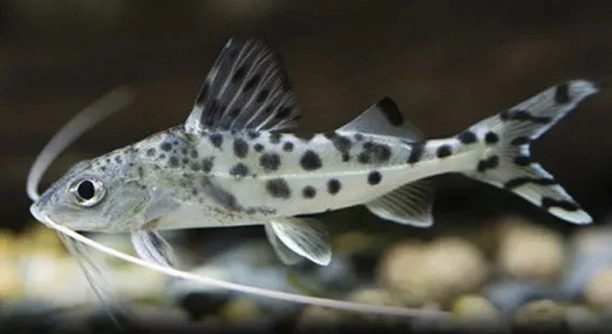
Many aquarists enjoy keeping Pictus catfish for their lively behavior and unique appearance. However, it can be worrying when these fish suddenly start hiding more than usual. Understanding the reasons behind this change is important for their care.
Pictus catfish may hide due to stress, poor water conditions, illness, or changes in their environment. These factors can cause discomfort or fear, prompting the fish to seek shelter. Proper monitoring and adjustments are essential to ensure their well-being.
Knowing why your catfish hides can help you improve its environment and health. This article explores common causes to keep your fish comfortable and active.
Stress and Environmental Changes
Stress is one of the main reasons your Pictus catfish might be hiding. Sudden changes in the tank, such as rearranging decorations or introducing new fish, can make your catfish feel insecure. These fish rely on their environment to feel safe, so when things shift quickly, hiding is their way of coping. Even loud noises or tapping on the glass can cause stress. It’s important to keep the tank environment stable and quiet. Providing plenty of hiding spots helps your catfish feel secure and reduces stress. Regular routines with feeding and cleaning also contribute to a calm atmosphere. If stress continues, it may weaken your fish’s immune system and lead to illness. Watching for signs of stress early can help you make adjustments before problems get worse.
Creating a calm and consistent environment is key to helping your catfish feel safe again. Keep changes slow and predictable.
Your Pictus catfish needs a balanced, stable environment to stay healthy. Small changes in water temperature, lighting, or tank mates can cause discomfort. Avoid moving decorations often, and maintain a quiet tank space. When adding new fish, introduce them slowly and monitor how your catfish reacts. Stress can sometimes be subtle, so watch for less activity or loss of appetite. Making your tank a peaceful home will encourage your catfish to explore rather than hide.
Poor Water Quality
Poor water quality is a common reason why your Pictus catfish might retreat to hiding spots. High levels of ammonia, nitrites, or nitrates can cause discomfort or even illness. Dirty water can reduce oxygen levels, making it harder for your fish to breathe properly. It’s important to test your tank water regularly and perform partial water changes to keep conditions healthy. If your catfish is hiding and water tests show poor quality, this should be addressed immediately. A clean tank promotes active, happy fish and prevents many health issues.
Checking water quality regularly prevents many problems for your catfish.
Keeping your tank clean is essential for your catfish’s health. Waste, uneaten food, and decaying plants can quickly pollute water if not managed. Performing weekly partial water changes of about 20-30% helps remove toxins and keeps the environment stable. Using a reliable water testing kit, check ammonia, nitrite, nitrate, and pH levels. The ideal pH for Pictus catfish is between 6.5 and 7.5, with ammonia and nitrite at zero. Filters need regular cleaning but avoid washing them with tap water to preserve beneficial bacteria. Maintaining water quality is the best way to reduce hiding and encourage natural behavior in your catfish.
Illness or Injury
Illness or injury can cause your Pictus catfish to hide more than usual. When fish feel weak or in pain, they instinctively seek shelter to protect themselves from threats and conserve energy. Watch for signs like lethargy, clamped fins, or unusual spots.
If your catfish is hiding due to illness, it may show physical symptoms such as discoloration, sores, or swelling. These signs often indicate infections or parasites that need treatment. Prompt action with medication and improved water quality can help your fish recover. Early detection is important to prevent worsening conditions or spreading disease to other tank inhabitants.
Injuries from rough tank mates, sharp decorations, or accidents can also make your catfish retreat. Look closely for wounds or torn fins. Healing requires a clean, stress-free environment. Consider isolating the fish in a quarantine tank for focused care and to avoid further harm. Monitoring behavior and physical condition daily helps catch problems early and support recovery.
Lack of Hiding Spots
Pictus catfish naturally prefer hiding places to feel secure. Without enough shelter, they might hide more often in whatever spots are available, or stay hidden longer due to stress. Providing proper cover reduces their need to hide excessively.
Adding caves, plants, or decorations offers your catfish places to retreat safely. These structures mimic their natural habitat and make them feel more comfortable. When hiding spots are limited, the fish can become anxious and less active. Adjusting tank décor to include multiple hiding areas encourages exploration and reduces stress.
It’s also important to balance hiding spots with open swimming space. Too many obstacles can restrict movement and cause frustration. A well-planned layout allows your catfish to choose when and where to hide. Observing your fish’s behavior can guide you in arranging the tank for optimal comfort and activity. Regularly updating the tank environment keeps your Pictus catfish happy and engaged.
Lighting Conditions
Bright or sudden changes in lighting can make Pictus catfish uncomfortable. These fish prefer dimmer environments and may hide to avoid strong light. Keeping the tank lighting gentle and consistent helps them feel more secure.
Using floating plants or adjustable lights can create shaded areas. This allows your catfish to choose when to stay hidden or swim freely, reducing stress caused by harsh lighting.
Tank Size and Space
A tank that is too small or overcrowded can cause your Pictus catfish to hide frequently. Limited space makes it harder for them to find comfortable spots and can increase stress levels, leading to more hiding behavior.
Ensuring your tank is large enough with plenty of open swimming areas and hiding places helps your catfish feel less threatened and more active. Proper stocking levels also reduce competition and improve overall fish health.
Aggressive Tank Mates
Aggressive or territorial fish in the tank can force your Pictus catfish to stay hidden. These catfish are peaceful and may avoid confrontation by retreating to safer spots.
Separating aggressive fish or choosing compatible tank mates encourages a calmer environment and reduces hiding.
FAQ
Why is my Pictus catfish hiding all the time?
Your Pictus catfish might hide frequently due to stress, illness, poor water quality, or lack of proper hiding spots. These fish need a stable environment with clean water and enough places to feel secure. If they feel threatened or uncomfortable, hiding becomes their natural response to cope.
How can I reduce hiding behavior in my Pictus catfish?
Improving water quality through regular testing and water changes is essential. Make sure the tank is large enough and has plenty of hiding spots like plants or caves. Avoid sudden changes in lighting or decorations, and keep aggressive fish separate to reduce stress.
Is hiding always a bad sign for Pictus catfish?
Not always. Pictus catfish are nocturnal and naturally shy, so some hiding during the day is normal. However, excessive or sudden hiding can indicate problems such as stress or illness. Monitoring their behavior alongside other signs can help determine if action is needed.
What signs of illness should I watch for besides hiding?
Look for clamped fins, unusual spots, redness, swelling, or loss of appetite. Lethargy and labored breathing are also concerning signs. Early detection helps you treat your catfish before health worsens.
Can changes in tank mates cause my catfish to hide more?
Yes, aggressive or territorial tank mates can intimidate Pictus catfish. Introducing new fish suddenly can cause stress, leading to hiding. Always choose compatible tank mates and introduce them gradually.
How often should I test my tank water?
Testing once a week is a good practice, especially for ammonia, nitrite, nitrate, and pH levels. Regular testing helps catch water quality problems early and keeps the environment safe for your catfish.
What is the ideal tank size for Pictus catfish?
A tank of at least 30 gallons is recommended for a small group of Pictus catfish. They are active swimmers and need enough space to move around freely while having hiding spots. Overcrowding can increase stress and hiding.
Can poor diet cause my Pictus catfish to hide?
Yes, a poor or inconsistent diet can weaken your catfish and cause lethargy, making them hide more. Feeding a balanced diet with sinking pellets, live or frozen foods helps maintain their health and activity.
Should I isolate my catfish if it hides due to illness?
Isolating a sick catfish in a quarantine tank can be helpful for treatment and to prevent spreading disease. Ensure the quarantine tank has similar water conditions and hiding spots to reduce stress during recovery.
Does water temperature affect hiding behavior?
Yes, water that is too cold or too warm can stress your Pictus catfish, leading to hiding. The ideal temperature range is between 72°F and 79°F (22°C–26°C). Keeping temperature stable supports healthy behavior.
How long does it take for a Pictus catfish to stop hiding after changes?
Adjustment times vary but usually take a few days to a week if conditions improve. Consistent environment, proper care, and patience help your catfish regain confidence and explore more.
Can nighttime activity explain some hiding?
Since Pictus catfish are nocturnal, they tend to hide during the day and become active at night. This natural behavior means some daytime hiding is normal and not always a concern.
What decorations are best for hiding spots?
Caves, driftwood, dense plants, and rock formations work well. These provide shelter and mimic natural habitats, making your catfish feel safe. Avoid sharp or rough objects that could cause injury.
How do I know if my catfish is stressed?
Stress signs include excessive hiding, rapid breathing, loss of appetite, or erratic swimming. Reducing stress involves stable water conditions, gentle lighting, and peaceful tank mates.
Can loud noises make my catfish hide?
Yes, sudden or loud noises outside the tank can startle your fish and cause hiding. Keeping the tank in a quiet area helps maintain a calm environment.
Is hiding behavior reversible?
In most cases, yes. By identifying and fixing the causes—whether water quality, tank setup, or health issues—your catfish can feel safe again and reduce hiding. Consistency in care is key.
When your Pictus catfish starts hiding more than usual, it is often a sign that something in their environment or health needs attention. These fish naturally seek shelter when they feel stressed, uncomfortable, or unsafe. Changes in water quality, tank setup, lighting, or the presence of aggressive tank mates can all cause this behavior. By understanding the common reasons behind hiding, you can take steps to improve their comfort and well-being. Keeping their habitat stable and clean is one of the most important ways to help your catfish feel secure and active again.
It is also important to pay close attention to your catfish’s health. Illness or injury can make them hide to avoid harm and conserve energy. Watching for other signs like changes in color, appetite, or swimming behavior helps catch problems early. When needed, isolating a sick fish in a quarantine tank and providing proper treatment can make a big difference. A healthy Pictus catfish will be more confident and less likely to stay hidden all the time. Preventive care, including regular water testing and a balanced diet, supports their overall health and reduces stress.
Finally, creating a tank environment that meets the natural needs of your Pictus catfish helps reduce hiding behavior. Providing plenty of hiding spots, such as caves and plants, lets them choose when to retreat and when to swim freely. Controlling lighting and keeping the tank peaceful with compatible fish also makes a difference. Every catfish is a little different, so observing their behavior over time will help you understand what they need to feel safe. With patience and care, your catfish can enjoy a comfortable home where hiding becomes less frequent and natural activity returns.

Hello,
If you enjoy the content that we create, please consider saying a "Thank You!" by leaving a tip.
Every little bit helps us continue crafting quality advice that supports the health, happiness, and well-being of pets around the world, for pets of all shapes, sizes, and species.
We really appreciate the kindness and support that you show us!