
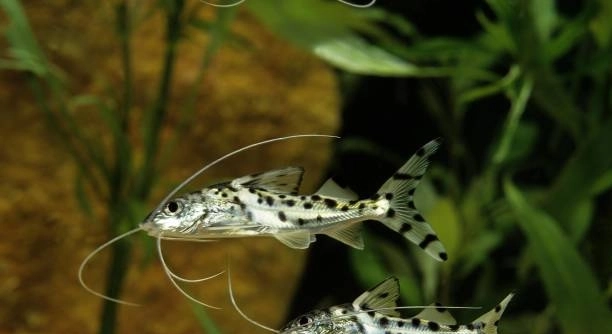
Do you ever find yourself unsure if one Pictus Catfish is enough for your home aquarium? These energetic fish are popular for their striking patterns and active swimming style, making them a favorite among freshwater fish keepers.
Keeping just one Pictus Catfish can lead to stress and health issues, as these fish are naturally social and thrive in small groups. Isolation may cause them to become skittish, hide frequently, and exhibit unnatural behavior over time.
Learning how their social needs affect their behavior can help you create a healthier and more balanced aquarium environment.
Why Pictus Catfish Prefer Groups
Pictus Catfish are naturally social fish that do best in small groups. In the wild, they swim in schools, which helps them feel secure and less stressed. When kept alone, they often become nervous and hide more than usual. These fish enjoy interaction with their kind and show more active behavior when kept in groups of three or more. A solo Pictus may eat less, swim less, and show signs of stress, which can affect its health. Group living also allows for more natural swimming patterns and gives them the confidence to explore the tank freely and actively.
A group setting helps balance their energy levels and encourages normal social behavior in the aquarium.
If you’re thinking of getting a Pictus Catfish, it’s better to plan for at least a few of them. This helps them feel safe and behave more like they would in nature, which can lead to better overall health and activity.
The Risks of Keeping Only One
A single Pictus Catfish can experience stress and isolation over time. This often leads to hiding, reduced appetite, and erratic swimming patterns that signal poor well-being.
When kept alone, a Pictus Catfish may also become overly aggressive or territorial. Without others of its kind, it may turn its attention to tank mates who are slower or smaller, causing stress in the rest of the tank. In some cases, they may try to squeeze into tight spaces constantly, which can lead to injuries. Tank owners might notice the fish pacing along the glass, staying hidden for long periods, or showing signs of fatigue. These are signs that the fish is not thriving. By adding more Pictus Catfish, you give them the company they naturally seek, which can reduce tension, improve feeding, and increase activity. It creates a more balanced and peaceful tank environment for both the Pictus and its tank mates.
Tank Size and Environmental Needs
A single Pictus Catfish may seem easier to care for, but its needs remain the same. Even one requires a spacious tank with proper hiding spots, clean water, and steady temperature to avoid stress and health issues.
Pictus Catfish are fast swimmers and very active, especially during nighttime. They need a tank that’s at least 55 gallons, even if you only keep one. This allows them enough space to move freely without bumping into decorations or glass. If you keep them in a small tank, they often become anxious, skittish, or even aggressive toward other fish. Decorations like driftwood, caves, and smooth rocks help mimic their natural environment and give them places to hide when needed. A strong filter is also important, as these fish produce a moderate amount of waste and need clean, oxygen-rich water to stay healthy and active.
Lighting should be soft, as they prefer dim conditions over bright setups.
Water quality is just as important as space. Pictus Catfish prefer slightly acidic to neutral water, with temperatures between 75°F and 81°F. Sudden changes in temperature or pH can cause stress and lead to illness. Use a heater and thermometer to maintain stable conditions. Weekly water changes are also important to keep nitrate levels low. Strong water flow mimics river conditions and helps them feel more at home. Even when kept alone, their environment should still match their natural needs. Avoid sharp decorations, as their whiskers (barbels) are sensitive and can be easily damaged. Keeping the tank well-maintained helps prevent common health problems and supports long-term well-being, especially when the fish is living without the comfort of a group.
Behavior Changes in Isolation
Without the company of its own kind, a Pictus Catfish may act differently. It might swim less, hide more, and become more sensitive to changes in its surroundings. These changes are often signs of stress.
Isolation often causes the fish to develop odd routines, like hiding all day and swimming in tight circles at night. These behaviors may seem harmless, but they point to deeper stress. A lonely Pictus can also become jumpy, especially when tank lights turn on or people walk by. Some may act territorial toward other fish, even though they’re not usually aggressive. Owners sometimes think their Pictus is just shy, but over time, the lack of social interaction can lead to long-term health problems, including weakened immunity and poor eating habits. If your fish isn’t swimming like it used to or hides more than usual, it could be reacting to being alone in the tank.
Feeding and Activity Levels
A single Pictus Catfish may lose interest in food over time. Without the presence of other fish of its kind, feeding becomes less competitive, and the fish may eat slower or even skip meals altogether.
Their activity level also tends to drop. In a group, they chase, swim, and explore more. Alone, they often stay in one corner or hide all day, which is not typical for a healthy Pictus Catfish.
Adding More Pictus Catfish
Adding more Pictus Catfish to your tank usually brings out their natural behavior. They become more confident, explore the tank more, and show better eating habits. A group of three to six helps them feel safe, reducing stress and improving health. They often swim together and interact in subtle ways, making the tank more lively. It’s important to increase the tank size as the group grows. With the right setup—enough space, hiding spots, and clean water—Pictus Catfish kept in groups show more balanced, natural behaviors. This can make care easier and create a healthier, more stable aquarium overall.
Final Thoughts on Isolation
Keeping just one Pictus Catfish may seem simple at first, but it often leads to stress and health issues over time.
Can a Pictus Catfish live happily alone?
Pictus Catfish are social fish by nature, so living alone is not ideal for their well-being. While they can survive alone if the tank conditions are perfect, they often become stressed and less active. Without companions, their natural behaviors—like schooling and exploring—are limited, which can affect their overall health. They may hide more and show signs of anxiety, which is a sign they are not thriving.
How many Pictus Catfish should I keep together?
It’s best to keep at least three Pictus Catfish together. Small groups allow them to express their natural social behavior and feel secure. Groups of three to six are common in home aquariums, depending on tank size. More than six can be too crowded unless you have a very large tank. Keeping them in groups reduces stress, improves activity, and encourages natural swimming patterns.
What size tank do I need for a group of Pictus Catfish?
For a small group of three to six Pictus Catfish, a tank of at least 55 gallons is recommended. These fish are active swimmers who need plenty of space to move freely. A larger tank also helps maintain water quality, which is important because Pictus Catfish produce a moderate amount of waste. Bigger tanks allow for more decorations and hiding places, which further reduce stress.
Will a single Pictus Catfish become aggressive?
Usually, Pictus Catfish are peaceful fish. However, when kept alone, some individuals may display aggression toward smaller or slower tank mates. This happens because they lack social interaction with their own species and may become territorial. Aggression is less common when they are kept in groups, as they focus more on interacting with each other than competing for territory.
How can I tell if my Pictus Catfish is stressed?
Signs of stress in Pictus Catfish include hiding frequently, reduced appetite, erratic swimming, and faded colors. They may also become lethargic or overly skittish. Stress can weaken their immune system, making them more susceptible to diseases. If your fish shows these behaviors, it might be a sign that it’s lonely or the tank environment needs adjustment.
What tank conditions help reduce stress in Pictus Catfish?
Stable water temperature between 75°F and 81°F, neutral to slightly acidic pH, and clean, well-filtered water are key. They also prefer soft lighting and plenty of hiding spots like caves or driftwood. Moderate water flow mimics their natural river habitats and helps them feel comfortable. Regular water changes and monitoring water quality keep them healthy.
Can Pictus Catfish live with other fish species?
Yes, Pictus Catfish are generally peaceful and can live with other non-aggressive species that occupy different parts of the tank. Avoid housing them with very small fish that could be mistaken for food or very aggressive species that might stress them out. Suitable tank mates include tetras, gouramis, and peaceful bottom dwellers.
How often should I feed my Pictus Catfish?
Feeding Pictus Catfish once or twice a day is sufficient. They are omnivores and enjoy a varied diet, including sinking pellets, frozen or live foods like bloodworms and brine shrimp, and occasional vegetables. Avoid overfeeding, as leftover food can foul the water, causing health issues.
What happens if my Pictus Catfish stops eating?
Loss of appetite can be a sign of stress, poor water quality, illness, or loneliness. If your Pictus Catfish stops eating, check tank conditions first and make sure it is kept with other Pictus if possible. Consult an aquatic veterinarian or specialist if the problem persists, as early treatment improves chances of recovery.
Is it necessary to decorate the tank for Pictus Catfish?
Yes, decorations like rocks, caves, and plants provide hiding spots and help reduce stress. Pictus Catfish are shy and need places to retreat when feeling threatened. Smooth decorations are important to protect their delicate barbels from injury. Proper decoration mimics their natural habitat and improves their overall comfort.
How do I introduce multiple Pictus Catfish to a tank?
Introduce all the Pictus Catfish at the same time if possible to reduce territorial disputes. Acclimate them slowly by floating their bag in the tank and gradually mixing tank water before release. Monitor their behavior for signs of aggression or stress and provide plenty of space and hiding places to ease the transition.
What is the lifespan of a Pictus Catfish?
With proper care, Pictus Catfish can live 8 to 10 years in captivity. Good water quality, a balanced diet, and social companionship contribute to a long, healthy life. Loneliness and poor tank conditions can shorten their lifespan significantly. Regular monitoring and tank maintenance are important to ensure they live well.
Are Pictus Catfish noisy or disruptive in the tank?
Pictus Catfish are quiet fish and do not produce noise that humans can hear. They are peaceful bottom dwellers and do not disturb other fish. Their active swimming might stir up substrate, but this usually doesn’t cause issues if the tank is properly maintained.
Do Pictus Catfish need special lighting?
They prefer low to moderate lighting because they are more active at night. Bright lighting can stress them and cause them to hide more. Using dim or adjustable lighting helps mimic their natural environment and encourages normal activity during the day and night.
Keeping a Pictus Catfish alone might seem like an easy choice at first, but it often comes with challenges that affect the fish’s health and happiness. These fish are naturally social and thrive when they have others of their kind around. Without companions, they can become stressed, shy, and less active. This change in behavior is a clear sign that their needs are not being fully met. Even if the tank conditions are perfect, loneliness can impact their well-being. Understanding this helps you create a better environment for your fish, whether you decide to keep just one or a group.
When you keep Pictus Catfish in groups, they tend to be more confident and show natural behaviors such as swimming actively and exploring the tank. Groups of at least three are usually recommended, as this allows them to feel secure and interact in ways that reduce stress. Having a few Pictus Catfish together can also help improve their appetite and overall health. Their social nature means they rely on their companions for comfort and stimulation. So, providing the right number of fish is important to avoid common problems like hiding, reduced activity, or aggression.
Creating a suitable environment goes beyond just the number of fish. A spacious tank with plenty of hiding spots, clean water, and stable conditions is essential for keeping Pictus Catfish healthy. Paying attention to their natural preferences, like dim lighting and moderate water flow, can help them feel at home. Regular maintenance and monitoring water quality play key roles in preventing illness. When you combine good tank conditions with a social group, you give your Pictus Catfish the best chance for a long, happy life. This makes caring for them more rewarding and helps you enjoy a lively and balanced aquarium.

Hello,
If you enjoy the content that we create, please consider saying a "Thank You!" by leaving a tip.
Every little bit helps us continue crafting quality advice that supports the health, happiness, and well-being of pets around the world, for pets of all shapes, sizes, and species.
We really appreciate the kindness and support that you show us!