
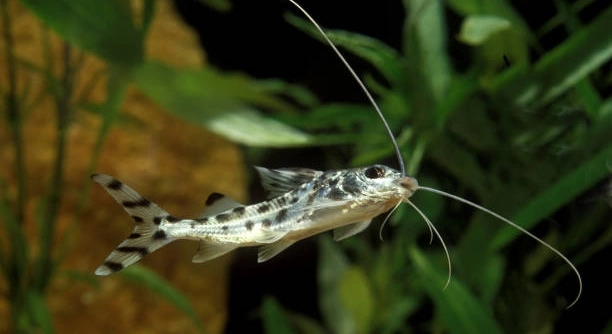
Pictus catfish are popular freshwater fish known for their active nature and striking appearance. Many aquarists enjoy keeping them in community tanks with various other species. Understanding their compatibility with slower swimming fish is important for a peaceful aquarium.
Pictus catfish can live with slow swimmers if the tank is spacious and well-maintained. They are generally peaceful but may outcompete slower fish for food or unintentionally stress them due to their active swimming behavior. Proper environment and feeding routines are essential.
Knowing how to balance different swimming speeds and temperaments helps create a healthy community tank. This article will guide you through important considerations for keeping pictus catfish with slower tank mates.
Understanding Pictus Catfish Behavior
Pictus catfish are active swimmers, especially during the evening and night. They have a natural instinct to explore and search for food, often darting quickly across the tank. This energy can make them seem aggressive or disruptive to slower, more passive fish. However, they are not naturally territorial or aggressive toward other species. Their quick movements and occasional fin-nipping are usually signs of excitement or competition during feeding rather than true hostility. Providing plenty of hiding spaces and plants can help reduce stress for slower fish. It is also important to keep the tank clean and stable, as pictus catfish are sensitive to poor water conditions. A well-maintained environment encourages peaceful coexistence and minimizes aggressive tendencies caused by stress.
Pictus catfish rely on strong swimming skills, so their tank should offer enough space for movement to avoid crowding slower fish. This helps maintain harmony in the tank.
Slower fish often benefit from calm zones within the aquarium, where they can retreat without being chased or startled. Creating distinct areas with plants, rocks, or decorations allows slow swimmers to rest and feed comfortably. Grouping slow and fast swimmers thoughtfully avoids constant competition for food. Feeding slow swimmers separately or with slow-sinking pellets also supports their wellbeing. Monitoring fish interactions regularly helps catch any signs of stress or bullying early. Adjustments to tank layout or feeding routines can improve the overall balance, making the aquarium enjoyable for all species involved.
Tank Setup for Mixed Swimming Speeds
Choosing the right tank size is key for keeping pictus catfish with slow swimmers. A minimum of 30 gallons is recommended to provide enough space for movement and hiding places.
Arranging the tank with multiple zones of different swimming speeds helps reduce conflicts. Using dense plants, caves, and ornaments creates safe areas for slow fish to rest and avoid the more active pictus catfish. Open swimming areas allow the catfish to use their natural behavior without overwhelming slower tank mates. Filtration and water flow should be moderate, as strong currents may stress slow swimmers but benefit active species like pictus catfish. Lighting that mimics natural day and night cycles also supports peaceful interactions. Setting up the tank carefully ensures both types of fish have the space and conditions needed for health and comfort. Regular observation and adjustments based on fish behavior keep the environment balanced and stress-free.
Feeding Considerations for Mixed Species Tanks
Feeding pictus catfish alongside slow swimmers requires careful planning. Both groups have different feeding speeds and habits that can cause competition.
Pictus catfish are quick and aggressive eaters, often grabbing food before slower fish get a chance. To prevent this, feeding small amounts multiple times a day helps distribute food evenly. Using sinking pellets or wafers ensures food reaches the bottom where pictus catfish usually feed. For slow swimmers, providing floating or slow-sinking food gives them a better chance to eat without rushing. Separate feeding areas can also reduce stress and competition, allowing each species to eat comfortably. Keeping a close eye during feeding times helps identify if adjustments are needed.
Monitoring the fish’s weight and health over time confirms if all are receiving enough nutrition. If some fish lose weight or appear stressed, changing feeding techniques or schedules may be necessary.
Selecting Compatible Slow Swimmers
Slow swimmers that live well with pictus catfish tend to be peaceful, non-territorial, and tolerant of active tank mates. Species like certain tetras, gouramis, and Corydoras catfish usually fit well. These fish do not compete aggressively for space or food.
Choosing slow swimmers that have calm temperaments reduces stress in the tank. Avoid fish that are shy or easily frightened, as the pictus catfish’s fast movements can cause anxiety. Fish that prefer similar water parameters also adapt better. Matching temperature, pH, and hardness requirements keeps all species comfortable. Proper research on each species’ behavior and needs is crucial before combining them. Compatibility ensures a balanced aquarium where all fish thrive without conflicts or health problems.
Signs of Stress in Slow Swimmers
Slow swimmers may show stress through hiding more than usual or refusing food. Sudden changes in color or erratic swimming can also be signs.
Recognizing stress early is important to prevent health problems. Adjusting tank setup or separating fish may be necessary if stress persists.
Maintaining Water Quality for Mixed Species Tanks
Good water quality is essential when keeping pictus catfish with slow swimmers. Both types are sensitive to ammonia and nitrite levels, which must stay at zero. Regular water changes, proper filtration, and monitoring parameters like pH and temperature help maintain a stable environment. Consistent water quality reduces stress and supports the health of all tank inhabitants.
Benefits of Grouping Pictus Catfish
Pictus catfish feel more secure and display natural behaviors when kept in groups of at least five. Grouping reduces their stress and lowers the chance of chasing slower fish individually.
FAQ
Can pictus catfish live peacefully with slow swimmers?
Yes, pictus catfish can live peacefully with slow swimmers if the tank environment is set up properly. They need enough space to swim freely without constantly chasing slower fish. Providing hiding spots and separate feeding zones helps reduce stress. Monitoring their behavior regularly ensures peaceful coexistence.
What tank size is recommended for pictus catfish with slow swimmers?
A tank size of at least 30 gallons is recommended. This size gives pictus catfish enough room to swim actively without disturbing slower fish. Larger tanks create better zones for slow and fast swimmers, reducing competition for space and food.
How often should I feed pictus catfish in a community tank?
Feeding small amounts multiple times a day is ideal. Frequent feedings distribute food more evenly and reduce competition during mealtime. Use sinking pellets for pictus catfish and floating or slow-sinking food for slow swimmers.
Are there specific slow swimming fish that get along well with pictus catfish?
Yes, peaceful species such as certain tetras, gouramis, and Corydoras catfish usually do well. These fish have calm temperaments and similar water requirements, which helps maintain harmony in the tank.
How can I tell if my slow swimmers are stressed by pictus catfish?
Signs of stress include hiding more than usual, refusal to eat, color fading, and erratic swimming. If these behaviors appear, it may be necessary to adjust the tank setup or feeding routines to reduce stress.
Do pictus catfish need to be kept in groups?
Yes, pictus catfish feel safer and act more naturally when kept in groups of five or more. Grouping helps lower aggression toward other tank mates and reduces the chance of chasing slower swimmers.
What water parameters are best for pictus catfish and slow swimmers?
Both prefer stable water conditions with temperatures between 72°F and 79°F, a pH of 6.5 to 7.5, and soft to moderately hard water. Maintaining zero ammonia and nitrite levels is critical for their health.
How can I prevent pictus catfish from outcompeting slow swimmers during feeding?
Feed pictus catfish sinking pellets or wafers while providing floating or slow-sinking food for slower fish. Feeding in different areas of the tank also helps slow swimmers get enough food without rushing.
Can pictus catfish harm slow swimming fish physically?
Pictus catfish are generally peaceful and do not intentionally harm other fish. However, their quick movements and occasional fin-nipping during feeding can stress or annoy slow swimmers. Proper tank setup minimizes these issues.
Is a heavily planted tank better for pictus catfish and slow swimmers?
Yes, a heavily planted tank provides hiding spots and resting places for slow swimmers. It helps break up open swimming areas, giving slower fish zones to avoid the more active pictus catfish.
How often should water changes be done in a mixed tank?
Regular water changes of 20-30% weekly help maintain water quality. Clean water reduces stress for all fish and prevents buildup of harmful substances that affect both pictus catfish and slow swimmers.
What is the best way to introduce pictus catfish to a tank with slow swimmers?
Introduce pictus catfish last, after slow swimmers have settled. This reduces stress and allows slower fish to establish their territories first. Monitor interactions closely during the first few days.
Can pictus catfish live with very slow or sedentary fish like bettas?
It is usually not recommended. Bettas can be territorial and may become stressed by the active pictus catfish. Slow fish that are shy or aggressive might not thrive in a tank with pictus catfish.
Are there special tank decorations recommended for mixed swimming speed tanks?
Yes, use plants, caves, and rocks to create zones that allow slow swimmers to retreat. Open areas let pictus catfish swim freely without disturbing slower fish. Variety in decorations improves tank balance.
What should I do if pictus catfish start bullying slower fish?
Increase hiding places and feeding spots to reduce competition. If bullying continues, consider separating species or adjusting the tank setup. Sometimes, more space or a larger group of pictus catfish reduces aggression.
Pictus catfish can live with slow swimmers if the tank environment is carefully planned and maintained. Their active nature means they swim quickly and move around a lot, which can sometimes stress slower fish. Providing enough space, hiding places, and feeding zones is important to help reduce competition and stress. A tank of at least 30 gallons is recommended to give all fish enough room. Separating feeding areas and using different types of food for fast and slow eaters also makes a big difference. These steps support peaceful living conditions and help all fish stay healthy.
Slow swimmers benefit from having calm zones in the aquarium where they can rest and avoid constant activity from pictus catfish. Plants, rocks, and decorations create safe spaces that protect slow fish from being chased or startled. Watching fish behavior closely helps notice if any species show signs of stress or illness. Early action, such as changing tank layout or feeding schedules, can improve their wellbeing. Good water quality is also key. Regular water changes and stable parameters reduce stress for all fish and prevent health problems. Keeping water clean and well-filtered supports a balanced environment where pictus catfish and slow swimmers can coexist comfortably.
Choosing compatible species is essential when mixing pictus catfish with slower fish. Peaceful, non-territorial fish that tolerate the energetic nature of pictus catfish usually do best. Avoiding aggressive or shy species reduces conflict and stress. Grouping pictus catfish in schools of five or more encourages natural behavior and lowers individual aggression. Monitoring feeding times and fish interactions regularly helps maintain harmony. Taking these factors into account results in a community tank where both fast and slow swimmers can thrive side by side. With proper care and attention, pictus catfish and slow swimmers can share a peaceful and healthy aquarium environment.

Hello,
If you enjoy the content that we create, please consider saying a "Thank You!" by leaving a tip.
Every little bit helps us continue crafting quality advice that supports the health, happiness, and well-being of pets around the world, for pets of all shapes, sizes, and species.
We really appreciate the kindness and support that you show us!