
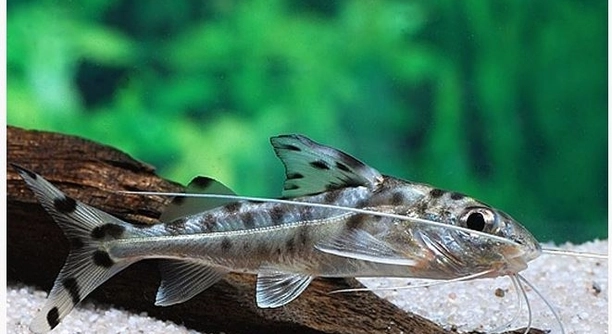
Pictus catfish are popular freshwater aquarium fish known for their active behavior and striking appearance. Many fishkeepers observe their unique social interactions and often wonder about the ways these fish respond to their environment and tank mates. Understanding their behavior can help maintain a healthy aquarium.
Pictus catfish have shown an ability to detect illness in other fish through changes in behavior, chemical cues, and environmental stress indicators. This sensory response helps them avoid disease and maintain group health, reflecting a natural survival mechanism observed in various aquatic species.
Recognizing these subtle behaviors can improve care for your aquatic community and help prevent the spread of illness in your tank. Further insights into their interactions reveal more about their social intelligence and environmental sensitivity.
How Pictus Catfish Sense Illness in Other Fish
Pictus catfish rely heavily on their senses to navigate their environment and interact with other fish. Their keen sense of smell allows them to detect chemical signals in the water, which can change when a fish is sick. These changes include altered mucus secretions or the release of stress hormones. Additionally, pictus catfish observe behavior closely. If a fish moves differently, isolates itself, or shows signs of distress, the catfish will notice. These sensory cues help pictus catfish avoid potential threats from sick fish, reducing their own risk of infection. This natural ability is important in community tanks where multiple species live together, ensuring healthier social dynamics. Understanding these responses allows fishkeepers to monitor and support the health of their tanks more effectively.
Their sensory detection is subtle but effective, supporting overall tank health and balance.
Watching these signs carefully helps maintain a thriving and healthy aquarium environment.
Common Signs of Illness Detected by Pictus Catfish
Pictus catfish often react to visible changes in their tank mates. Signs like sluggish swimming, discoloration, or unusual hiding behavior are triggers.
Fish showing signs of illness produce chemical changes in the water. Pictus catfish detect these changes through their barbels and olfactory senses. When a fish is sick, it often releases stress hormones or altered mucus that others can sense. Behavior changes, like less movement or erratic swimming, also catch their attention. These signals cause pictus catfish to become cautious or avoid the affected fish. Such avoidance is a survival tactic, reducing the chance of disease spreading. This response is an important part of their natural behavior and helps maintain a balanced aquarium. Observing how your pictus catfish react can provide early warning signs of problems in the tank, allowing you to take timely action to protect all your fish.
How Pictus Catfish React to Sick Tank Mates
Pictus catfish often change their behavior around sick fish. They may swim away quickly or avoid areas where the ill fish spends time. This cautious behavior helps limit their exposure to potential disease.
Avoidance is a common response among pictus catfish. When they sense chemical changes or notice unusual behavior in a tank mate, they tend to keep their distance. This reaction lowers the chance of infection. Some catfish become more alert or restless, showing signs of stress when nearby fish appear sick. Understanding these behaviors can help you notice problems early and take action to protect your aquarium’s health.
In some cases, pictus catfish may even become more territorial or aggressive when they detect illness nearby. This response might be a way to protect their space and resources. Observing these changes can provide important clues about the overall condition of your fish community.
Environmental Factors Affecting Detection Ability
Water quality has a big impact on a pictus catfish’s ability to detect illness. Poor water conditions can mask chemical signals and confuse their senses. Keeping the tank clean supports accurate detection.
If water parameters like pH, ammonia, and nitrite levels are unstable, it interferes with how fish communicate chemically. Dirty water also stresses fish, making it harder for pictus catfish to identify illness in others. Maintaining good filtration and regular water changes helps preserve the tank’s natural cues. This care improves the pictus catfish’s chance to spot and respond to sick fish promptly, promoting a healthier aquarium overall.
Importance of Observation in Home Aquariums
Careful observation is key to noticing signs of illness in fish. Watching how pictus catfish behave can help identify problems early. This allows timely intervention to protect all tank inhabitants.
Noticing subtle changes in swimming patterns or social interaction is important. These details give clues about the health of your aquarium.
How to Support Pictus Catfish’s Sensory Abilities
Maintaining stable water conditions is essential for pictus catfish to detect illness effectively. Use proper filtration and perform regular water changes to keep the environment clean. Avoid overcrowding, as stress can dull their senses and increase disease risk. Providing hiding spots helps reduce stress, allowing better sensory function.
A well-maintained tank encourages natural behaviors, enabling pictus catfish to respond appropriately to health threats. This care supports their role in maintaining a balanced community.
Limitations of Detection
Pictus catfish cannot always detect every illness. Some diseases develop silently or affect fish internally before signs appear externally.
Preventive Measures
Keeping new fish quarantined reduces the chance of introducing disease to your aquarium.
FAQ
Can pictus catfish really tell if other fish are sick?
Yes, pictus catfish can detect illness in other fish mainly through chemical signals in the water and changes in behavior. When a fish is sick, it often releases stress hormones or altered mucus that pictus catfish can sense with their barbels and smell. They also notice if a fish swims oddly or hides more than usual. These cues help pictus catfish avoid sick tank mates and reduce the chance of catching disease themselves.
What signs should I look for in my pictus catfish that show they sense illness?
If your pictus catfish suddenly start avoiding certain tank areas or other fish, it may indicate they detect illness. They might swim away quickly, hide more, or become restless. Some pictus catfish show signs of stress or even become a bit aggressive when around sick fish. Watching these behavior changes can help you catch health issues early before they spread.
Does water quality affect how well pictus catfish can detect illness?
Absolutely. Poor water quality can mask chemical signals that pictus catfish rely on to sense illness. High ammonia, nitrites, or unstable pH levels stress all fish and interfere with communication. Keeping your tank clean with good filtration and regular water changes supports pictus catfish’s natural abilities. Stress from overcrowding or dirty water can dull their senses and increase disease risks.
Can pictus catfish prevent illness from spreading in the tank?
While pictus catfish can detect and avoid sick fish, they cannot directly stop disease spread. Their avoidance behavior helps limit exposure, but it’s important for the fishkeeper to step in. Quarantining new fish, maintaining water quality, and treating illness early remain essential steps to keep the tank healthy.
Are pictus catfish more sensitive than other fish to sickness?
Pictus catfish are quite sensitive due to their barbels and strong sense of smell, which they use to explore their environment and find food. These features also allow them to detect chemical changes better than some other fish. However, many fish species have similar abilities. Pictus catfish’s active social nature might make their reactions to sickness more noticeable.
How can I help my pictus catfish stay healthy while they detect illness?
Supporting your pictus catfish involves keeping the tank stable and clean. Regular water changes, proper filtration, and balanced feeding reduce stress. Avoid overcrowding and provide hiding spots to help them feel safe. Stress weakens their immune system and sensory abilities, so a calm environment is crucial for their health and ability to detect problems.
What should I do if my pictus catfish start avoiding other fish?
If you notice avoidance behavior, check your tank mates closely for signs of illness. Look for discoloration, lethargy, clamped fins, or unusual swimming. Test water quality to rule out environmental issues. If you find sick fish, isolate and treat them quickly. Improving water conditions and observing all fish closely will help restore balance.
Do pictus catfish ever wrongly avoid healthy fish?
Sometimes, pictus catfish may react to harmless changes like water chemistry shifts or stress signals not caused by disease. Their caution is a survival trait, but it’s not foolproof. Temporary avoidance can happen during tank changes or after adding new fish. Monitoring the situation will help determine if it’s a true health concern or normal adjustment.
Can pictus catfish detect illnesses that do not show visible symptoms?
Pictus catfish primarily rely on chemical signals and visible behavior. Some diseases affect fish internally before outward signs appear, so pictus catfish might not detect these early stages. That’s why regular observation and preventive care are important, even if your catfish don’t seem alarmed.
Is it necessary to quarantine new fish even if pictus catfish seem healthy?
Yes, quarantining new fish before adding them to the main tank is essential. Pictus catfish can only detect illness after chemical or behavioral signs appear. Quarantine helps prevent introducing disease in the first place, protecting your entire aquarium community.
How quickly do pictus catfish respond to signs of sickness?
Responses can be immediate or develop over hours to days, depending on the illness and how obvious its symptoms are. They may gradually increase avoidance or stress behaviors as signals grow stronger. Close attention to these patterns allows early action to protect your fish.
Can pictus catfish transmit diseases to other fish?
Pictus catfish themselves are not common carriers of contagious diseases. However, like all fish, if they become sick, they can contribute to spreading illness in the tank. Maintaining good tank hygiene and monitoring all fish health is crucial.
What are common illnesses pictus catfish can detect in other fish?
They often respond to bacterial infections, fungal diseases, and parasites that affect the skin or behavior of fish. Illnesses causing mucus changes, unusual swimming, or lethargy are more easily detected. Internal diseases without external signs are harder to sense.
Do pictus catfish need special care because of their sensitivity?
They don’t need unusual care, but their sensitivity means maintaining stable water conditions is even more important. Stress from poor water quality or overcrowding impacts their health and behavior. Providing a calm, clean environment supports their well-being and natural instincts.
How can I tell if my pictus catfish is stressed?
Stress signs include hiding more, loss of appetite, erratic swimming, or clamped fins. If they show these behaviors near sick fish or in poor water, it means they are affected by the environment or tank conditions. Addressing stress quickly improves their health and ability to detect issues.
Are pictus catfish good companions for community tanks?
Yes, pictus catfish generally get along well with other peaceful species. Their ability to detect illness and avoid sick fish adds a layer of protection. However, their sensitivity means it’s important to keep their environment stable and avoid overcrowding to reduce stress for all fish.
Pictus catfish have a natural ability to sense changes in their environment, including signs of illness in other fish. This ability comes from their keen senses, especially their sense of smell and their sensitive barbels. When a fish becomes sick, it often releases chemical signals or shows behavior changes that pictus catfish can detect. By noticing these signals, they can avoid sick fish, which helps reduce the risk of disease spreading in the aquarium. This natural behavior is important for maintaining a healthy tank and shows how sensitive and aware pictus catfish are in their surroundings.
However, pictus catfish are not perfect detectors. Some illnesses develop inside a fish before any obvious symptoms appear, so the catfish might not notice early stages of disease. Water quality also plays a significant role in their ability to sense illness. Poor water conditions can mask the chemical cues pictus catfish rely on, making it harder for them to detect problems. Stress caused by overcrowding, dirty water, or unstable conditions can also affect their behavior and reduce their sensitivity. Therefore, keeping the tank clean and stable is essential for helping pictus catfish perform their natural role effectively.
As a fishkeeper, observing your pictus catfish’s behavior can provide valuable clues about the health of your aquarium. Changes in their behavior, such as avoiding certain tank mates or acting restless, may indicate illness in the tank. Taking quick action by isolating sick fish, improving water quality, and maintaining good tank hygiene can protect all your aquatic pets. While pictus catfish’s detection abilities are helpful, they are just one part of maintaining a healthy aquarium. Proper care, regular monitoring, and preventive measures remain the best ways to keep your fish healthy and thriving.

Hello,
If you enjoy the content that we create, please consider saying a "Thank You!" by leaving a tip.
Every little bit helps us continue crafting quality advice that supports the health, happiness, and well-being of pets around the world, for pets of all shapes, sizes, and species.
We really appreciate the kindness and support that you show us!