
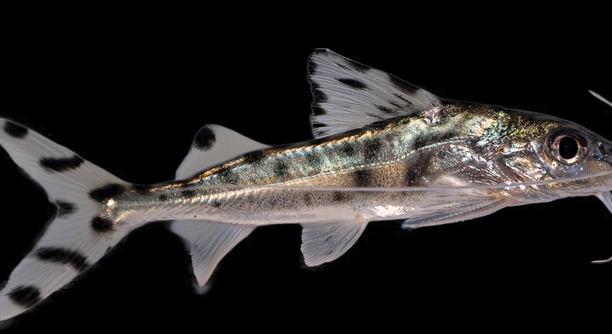
Pictus catfish are popular freshwater fish kept in home aquariums. They have unique patterns and lively behavior that many fish owners enjoy. Like all fish, they can show early signs of illness that need attention.
Early symptoms of disease in pictus catfish include loss of appetite, unusual swimming patterns, clamped fins, visible spots or lesions, rapid breathing, discoloration, and lethargy. Recognizing these signs early is essential for timely treatment and better recovery outcomes.
Knowing these symptoms helps ensure your pictus catfish stays healthy and happy. It is important to act quickly when you notice changes in their behavior or appearance.
Loss of Appetite
When a pictus catfish loses interest in food, it is often one of the first signs something is wrong. Normally, these fish are eager eaters, so a sudden refusal to eat can indicate stress or illness. This behavior can result from poor water quality, infections, or internal parasites. Ignoring this symptom may allow the problem to worsen. It’s important to check the tank environment and ensure the water parameters are stable. Sometimes, minor changes in temperature or pH can affect their appetite. If the issue continues, isolating the fish for observation or consulting a vet may be necessary to prevent further decline.
Loss of appetite can also lead to weight loss and weakened immune response. Early attention improves recovery chances.
Monitoring your pictus catfish’s feeding habits regularly will help detect early issues. Offering varied, high-quality food may encourage eating if the fish is stressed. Keep tank conditions clean and stable to avoid common causes of appetite loss.
Unusual Swimming Patterns
Unusual swimming, like erratic movements or spending time near the surface or bottom, can signal distress. These behaviors may indicate swim bladder problems, infections, or poor water conditions. It’s important to observe if the fish floats sideways, spirals, or has difficulty maintaining balance.
Erratic swimming reduces a fish’s ability to feed and avoid harm.
Swim bladder disorders affect buoyancy and can be caused by infections, physical injury, or overfeeding. Infections such as parasites or bacterial diseases also affect motor control, making swimming irregular. Sometimes poor water quality, especially low oxygen or high ammonia levels, forces the fish to gasp at the surface. Checking water parameters and performing regular maintenance helps prevent these problems. If swimming issues persist, a veterinarian’s advice can guide proper treatment, which might include medication or tank adjustments. Early detection is vital to stop symptoms from worsening and to restore healthy behavior.
Clamped Fins
Clamped fins happen when a pictus catfish holds its fins close to its body instead of spreading them out. This often signals stress or illness, such as infections or poor water conditions. It’s a subtle but important sign to watch for.
Fins play a crucial role in swimming and balance. When fins are clamped, the fish may struggle to move normally or react to its environment. This can be caused by bacterial or fungal infections or by irritants in the water. Stress from overcrowding or sudden changes in tank conditions may also cause this behavior. Regularly checking water quality and avoiding sharp temperature shifts can reduce stress and prevent clamping.
Treatment depends on the cause. Improving water conditions is always the first step. If infections are suspected, appropriate medications may be required. Observing the fish carefully during treatment helps ensure recovery and prevents more serious health issues.
Visible Spots or Lesions
Visible spots or lesions on the skin of pictus catfish are often signs of external infections. These marks can be white, red, or discolored and may indicate bacterial, fungal, or parasitic problems. Early detection is key to stopping the spread.
These skin issues usually arise when the fish’s immune system is weakened by stress or poor water conditions. Parasites can attach to the skin, causing irritation and damage. Bacterial infections often develop in response to injuries or open wounds. Fungus may appear as cotton-like patches. Tank cleanliness and good water quality are essential for prevention. Isolating the affected fish and treating with appropriate medication can help heal these symptoms and protect other fish in the tank.
Rapid Breathing
Rapid breathing in pictus catfish can indicate stress or poor water quality. It often means the fish is struggling to get enough oxygen or is reacting to toxins in the tank.
This symptom should never be ignored. Check the oxygen levels and ensure proper filtration. Low oxygen or high ammonia can cause breathing difficulties and harm the fish quickly.
Discoloration
Changes in color, such as fading or darkening, may show that a pictus catfish is unwell. Discoloration often accompanies other symptoms like stress, infection, or poor water conditions. Monitoring color changes helps spot illness early.
Lethargy
Lethargy means the fish is unusually inactive and spends most time resting. This can indicate illness or poor tank conditions that need prompt attention.
FAQ
What should I do if my pictus catfish shows early symptoms of disease?
At the first sign of illness, test your water quality for ammonia, nitrites, nitrates, and pH levels. Clean the tank if necessary and ensure proper filtration and aeration. Isolate the affected fish in a quarantine tank to prevent spreading disease. Observe its behavior and appetite closely. If symptoms persist or worsen, consider consulting a veterinarian experienced with fish. Medications may be required for bacterial, fungal, or parasitic infections, but always follow instructions carefully.
How can I prevent disease in my pictus catfish?
Maintaining clean water is the most important step. Regular water changes, proper filtration, and avoiding overcrowding reduce stress and disease risk. Feeding a balanced diet supports the fish’s immune system. Avoid sudden temperature changes and monitor water parameters weekly. Quarantine new fish before adding them to the main tank to prevent introducing illnesses. Keeping a healthy environment helps your pictus catfish thrive and lowers chances of disease.
Why does my pictus catfish lose its appetite suddenly?
Loss of appetite may be caused by poor water quality, stress, or illness. It can also occur if the fish is adjusting to new tank conditions or recovering from injury. Check the water for ammonia or nitrite spikes and keep the tank clean. Stress factors like aggressive tankmates or sudden changes in temperature may also affect feeding. If the loss of appetite lasts more than a day or two, investigate further for possible infections or internal parasites.
What are common causes of clamped fins?
Clamped fins typically result from stress, poor water quality, or infections such as bacteria or fungus. Stressors include overcrowding, sudden water changes, or aggressive tankmates. Low oxygen or toxic substances in the water can also cause this behavior. Early attention to tank conditions and cleanliness usually helps. If clamped fins persist, treatment with appropriate medication may be necessary to resolve underlying infections.
How do I identify swim bladder issues in my pictus catfish?
Swim bladder problems cause the fish to swim abnormally, like floating sideways or having trouble maintaining balance. This can be caused by infections, physical injury, or poor diet. Overfeeding or constipation may also lead to swim bladder disorder. If you notice irregular swimming, check water quality and review feeding habits. A balanced diet and proper tank conditions can help prevent these problems. Severe cases might require treatment from a specialist.
Can discoloration in my pictus catfish be reversed?
Discoloration caused by stress or poor water quality can often be reversed by improving tank conditions. Ensure clean, stable water parameters and reduce stress factors such as aggressive tankmates or overcrowding. However, discoloration caused by disease may require medical treatment and could be permanent if the illness has damaged the skin. Early detection and care improve chances of restoring normal coloration.
What does rapid breathing mean for my fish’s health?
Rapid breathing usually indicates oxygen deficiency or exposure to toxins like ammonia or nitrites. It may also signal infections or gill damage. Improving aeration, performing water changes, and testing water parameters should be your first steps. If rapid breathing continues, look for signs of illness or parasites affecting the gills. Early action can prevent serious harm.
Is lethargy a serious symptom?
Lethargy often means the fish is unwell or stressed. It can result from poor water quality, illness, or injury. A lethargic fish may stay still at the tank bottom and avoid food. This symptom should be taken seriously because it can quickly lead to more severe problems. Checking water quality, improving tank conditions, and isolating the fish are important. If lethargy persists, veterinary care might be needed.
How long does it take for a pictus catfish to recover from illness?
Recovery time depends on the disease, severity of symptoms, and treatment provided. Mild infections or stress-related issues may improve within a few days if water conditions are fixed. More serious infections could take weeks of treatment and careful care. Early detection and proper treatment shorten recovery time. Always follow medication instructions and monitor your fish closely during recovery.
When should I see a veterinarian for my pictus catfish?
If symptoms worsen despite improving water quality and basic care, or if you notice severe issues like open wounds, heavy breathing, or extreme lethargy, consult a vet. Also seek professional advice if you are unsure about diagnosis or treatment. Veterinarians can provide specific medications and guidance to address complex or persistent illnesses, increasing your fish’s chance for a full recovery.
Taking care of pictus catfish means paying close attention to their behavior and appearance. Early symptoms of disease like loss of appetite, unusual swimming, or clamped fins can tell you when something is wrong. These signs are your chance to act before problems get worse. By watching your fish regularly, you can notice even small changes that may need attention. Keeping their tank clean and stable helps reduce the chance of illness and keeps your fish comfortable and healthy.
Water quality plays a big role in your pictus catfish’s health. Poor water conditions cause stress and make fish more likely to get sick. Testing the water regularly for harmful chemicals like ammonia, nitrites, and nitrates is important. Changing part of the water often keeps the tank safe. Filtration and aeration systems should work well to keep the water clean and full of oxygen. Making sure the temperature is steady also supports a healthy environment. Good water care is the easiest way to prevent many common fish diseases.
If you notice any early signs of disease, taking quick action can save your fish’s life. Sometimes fixing the tank conditions is all that is needed. Other times, medication may be necessary to treat infections or parasites. When unsure, consulting a vet who knows about fish can be very helpful. With careful attention, proper tank care, and timely treatment, your pictus catfish can stay healthy and enjoy a long life. Remember, the key is watching closely and acting early.

Hello,
If you enjoy the content that we create, please consider saying a "Thank You!" by leaving a tip.
Every little bit helps us continue crafting quality advice that supports the health, happiness, and well-being of pets around the world, for pets of all shapes, sizes, and species.
We really appreciate the kindness and support that you show us!