
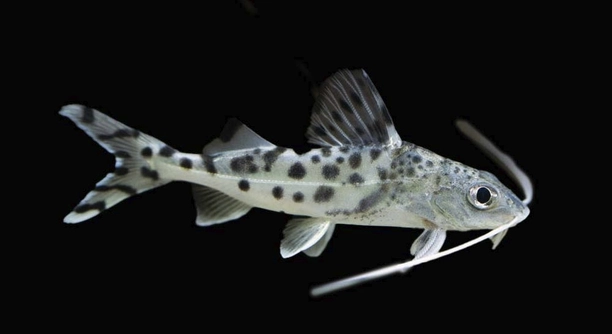
Feeding timid Pictus catfish can be challenging for many aquarium owners. These fish are shy and often hesitate to eat in busy tanks. Knowing how to encourage their feeding habits helps keep them healthy and thriving.
Timid Pictus catfish require gentle feeding methods that reduce stress and competition. Feeding smaller amounts more frequently, offering food in quiet areas, and using sinking pellets or live foods can increase their willingness to eat and improve nutrition.
Learning simple tricks to support your Pictus catfish’s feeding can make a big difference. These tips help create a calm environment that encourages better eating habits and overall well-being.
Creating a Safe Feeding Space
Timid Pictus catfish feel vulnerable when the tank is busy or noisy. Creating a calm feeding area can help them feel more secure. Choose a quiet corner or a spot with hiding places like plants or decorations nearby. This allows your catfish to feed without feeling exposed to larger or more aggressive fish. Avoid feeding during times when the tank is full of activity. Instead, pick a consistent time when the tank is quieter. Offering food slowly and gently reduces competition and stress. It also helps the fish recognize that this is a safe spot for feeding. Over time, they will feel more confident eating in the same place, improving their overall health and growth.
Setting up a calm feeding area benefits timid Pictus catfish by reducing stress and encouraging them to eat regularly and comfortably.
Once the space is set, observe your catfish’s behavior. Adjust the feeding spot if needed to make it more private or less crowded. Using a feeding ring or small dish can keep food in one area, preventing it from scattering. Consistency is key—feeding at the same time daily helps build a routine. Remember, patience is important, as timid fish may take time to adapt.
Choosing the Right Food Types
Timid Pictus catfish prefer food that sinks quickly and stays near the bottom. Floating flakes or pellets are often ignored because these fish like to forage on the tank floor. Sinking pellets, bloodworms, and brine shrimp are good options that attract their attention. Live or frozen foods also stimulate natural hunting behavior, making feeding time more engaging and less stressful for them.
Providing sinking and natural foods increases feeding success and supports their dietary needs.
When selecting food, opt for small-sized pellets that are easy for your catfish to pick up. Live or frozen bloodworms and brine shrimp not only offer nutrition but also encourage active feeding habits. Avoid overcrowding the tank during feeding times, as competition from faster fish can discourage timid catfish from eating. Introducing food gradually in small amounts helps prevent waste and keeps the environment clean. Rotating different food types ensures a balanced diet, which is vital for their long-term health. Proper nutrition also supports their immune system and activity levels. Observing which foods your catfish prefers allows you to tailor their diet to meet their individual needs better.
Feeding at Night or Low Light
Pictus catfish are more active during the night or in dim light. Feeding them during these times reduces stress and competition from other fish. Turning off bright lights or feeding just before lights go out helps encourage feeding.
Feeding at night mimics their natural behavior and environment. In low light, Pictus catfish feel safer to come out and search for food. Using a red or dim light instead of bright white light can make a difference. This softer lighting helps them stay calm while eating. Many aquarium owners find success by feeding after the main tank lights are off or dimmed. This also limits food competition from daytime fish, allowing timid catfish more time to eat peacefully.
Consistency in feeding time helps Pictus catfish adapt. Using automatic feeders or feeding just before lights out creates a routine. Over time, your catfish will respond to this schedule and eat better with less stress.
Using Feeding Tools
Feeding tools like feeding rings or tweezers can help direct food to your Pictus catfish. These tools limit food spread and reduce competition with other fish. They also allow better control over portion size and feeding location.
Feeding rings keep pellets or food pieces contained in one spot on the tank bottom. This prevents food from drifting away and becoming unreachable. Tweezers allow you to place live or frozen food close to your catfish’s hiding spots. This method helps especially shy fish access food without exposing themselves too much. Regular use of feeding tools can increase food intake by minimizing stress and competition.
By controlling where and how food is delivered, feeding tools improve the feeding experience. These tools also help reduce wasted food and maintain water quality. Using them regularly creates a calm, predictable feeding routine that timid Pictus catfish respond well to.
Feeding Smaller Amounts More Often
Feeding smaller portions multiple times a day helps timid Pictus catfish eat without feeling rushed. It prevents food waste and keeps the tank clean. This approach mimics their natural, frequent foraging behavior.
Smaller meals reduce competition from faster fish. They give shy catfish more chances to find and eat food calmly throughout the day. Consistency and patience are important when using this method.
Observing Your Catfish’s Behavior
Watching your Pictus catfish during feeding times helps identify their preferences and stress triggers. Noticing when and how they eat allows better feeding adjustments to suit their needs.
Adjust feeding techniques based on their reactions. If they avoid certain foods or spots, try new options or change feeding locations. Tailoring care improves their comfort and nutrition.
Avoiding Overfeeding
Overfeeding leads to poor water quality and health issues in timid Pictus catfish. Feeding only what they can eat within a few minutes keeps the tank environment stable and safe for all fish.
How often should I feed my timid Pictus catfish?
Feeding your Pictus catfish two to three small meals per day works best. Smaller, more frequent feedings reduce stress and encourage regular eating. These fish are natural foragers and prefer to nibble throughout the day rather than eating large amounts at once. Feeding in smaller portions helps prevent leftover food, which can degrade water quality.
Consistent feeding times also help your catfish develop a routine. Feeding around the same times daily allows them to anticipate food and feel more secure. Avoid feeding too late in the evening, as uneaten food may spoil overnight. Always remove any leftover food after about 10 minutes to keep the tank clean and healthy.
What types of food do timid Pictus catfish prefer?
Timid Pictus catfish mainly prefer sinking foods since they spend most of their time near the tank bottom. Sinking pellets designed for bottom feeders are ideal. They also enjoy live or frozen foods like bloodworms, brine shrimp, and daphnia. These options encourage natural hunting behavior and provide rich nutrition.
Avoid floating flakes because these fish usually ignore food at the water surface. Mixing different types of sinking food can keep their diet balanced and interesting. Fresh, high-quality food supports their immune system and overall health. It’s important to introduce new foods gradually to allow them time to adjust.
How can I encourage shy Pictus catfish to eat with other fish around?
Create a quiet, low-stress environment during feeding. Feeding at night or under dim lighting helps because Pictus catfish are nocturnal and feel safer then. Using feeding rings or tweezers to place food near their hiding spots can also encourage them to eat without feeling threatened.
Reducing competition by feeding slower or less aggressive tank mates first is helpful. You can also temporarily separate very aggressive fish during feeding times if necessary. Keeping the tank well-planted or with hiding spots lets your catfish feel secure while eating.
Is it necessary to feed live food, or can I use only pellets?
While pellets alone can provide adequate nutrition if they are high-quality and designed for bottom feeders, adding live or frozen foods improves diet variety and stimulates natural behavior. Live foods like bloodworms or brine shrimp are rich in protein and encourage your catfish to be more active in feeding.
Feeding only pellets is possible but may lead to less enthusiasm at mealtime. A mixed diet helps keep timid catfish interested in food and improves their overall well-being. Always ensure live foods come from reputable sources to avoid introducing diseases to your aquarium.
What should I do if my Pictus catfish refuses to eat?
Check tank conditions first—poor water quality or wrong temperature can stress fish and reduce appetite. Timid catfish also stop eating if tankmates bully them or if they feel unsafe. Adjust feeding times to quieter parts of the day or feed under dim light.
Try offering a variety of sinking foods, especially live or frozen options, to spark interest. If refusal continues, isolate your catfish in a separate tank with safe hiding places and hand-feed them using tweezers. Patience is important, as shy fish may take time to adapt.
How can I prevent overfeeding when using small frequent meals?
Feed only what your catfish can finish within a few minutes each time. Using feeding tools or small portions helps control how much food goes in the tank. Remove any uneaten food quickly to avoid water pollution.
Monitor your fish’s behavior and adjust portion sizes if leftovers remain or if fish seem hungry. Regular water testing helps ensure overfeeding isn’t harming the tank environment. Keeping a feeding schedule supports good habits for both fish and keeper.
Are there any signs that indicate my Pictus catfish is not eating enough?
Look for signs like weight loss, faded colors, lethargy, or hiding more than usual. Reduced activity or missing their usual feeding response also indicates possible underfeeding or stress. Over time, poor nutrition weakens their immune system and makes them more prone to disease.
If these signs appear, review feeding techniques and tank conditions immediately. Increase feeding frequency or try different foods. Regular observation helps catch problems early and keep your catfish healthy.
Can I feed my Pictus catfish with other species without issues?
Yes, but it depends on the tank mates. Timid Pictus catfish do best with peaceful species that don’t outcompete them for food. Avoid aggressive or fast-eating fish that may intimidate or steal food.
Maintaining a balanced community tank with plenty of hiding spots helps reduce feeding stress. Feeding in different areas or using feeding tools can also help ensure each species gets enough food without conflict.
How important is water quality for feeding behavior?
Water quality is crucial. Poor water conditions cause stress, making Pictus catfish less likely to eat. Keeping ammonia, nitrite, and nitrate levels low and stable supports healthy feeding habits.
Regular water changes, good filtration, and avoiding overfeeding keep the tank environment stable. Healthy water promotes appetite and overall well-being, reducing feeding challenges in shy fish.
Feeding timid Pictus catfish requires patience and careful attention. These fish are naturally shy and may take time to feel comfortable eating in a busy tank environment. Creating a calm feeding area and choosing the right food types can make a big difference in encouraging them to eat regularly. Using sinking pellets or live foods that stay near the bottom matches their natural feeding habits and helps reduce competition with faster or more aggressive fish. Feeding in low light or at night can also ease their stress and increase their willingness to come out and feed.
It is important to feed smaller amounts more often throughout the day rather than large meals all at once. This approach mimics their natural foraging behavior and prevents food waste in the tank. Smaller meals allow timid Pictus catfish to feed calmly without feeling rushed or threatened. Using feeding tools like rings or tweezers can also help direct food to specific spots in the tank, making it easier for shy fish to find and eat their meals. Observing your fish’s behavior during feeding times will help you learn what works best and allow you to adjust your feeding routine as needed.
Keeping good water quality and maintaining a stress-free tank environment are essential for encouraging healthy feeding habits. Overfeeding should be avoided to prevent water pollution, which can harm fish health. Regular water changes and careful monitoring of tank conditions help keep your catfish happy and healthy. With time, patience, and consistent care, timid Pictus catfish will become more confident eaters, and you will enjoy watching them thrive in your aquarium.

Hello,
If you enjoy the content that we create, please consider saying a "Thank You!" by leaving a tip.
Every little bit helps us continue crafting quality advice that supports the health, happiness, and well-being of pets around the world, for pets of all shapes, sizes, and species.
We really appreciate the kindness and support that you show us!