
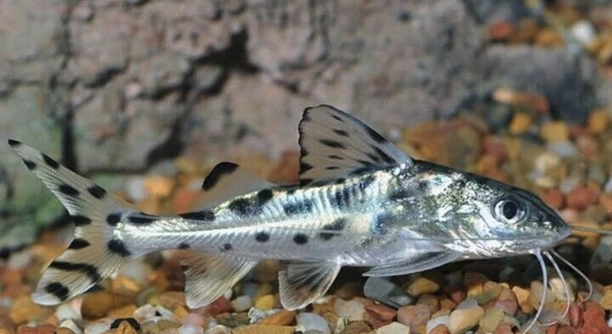
Is your pictus catfish acting a little off lately, making you wonder if something might be wrong beneath the surface?
Pictus catfish often show subtle signs when they’re unwell, making it easy to miss their distress. Recognizing these clues early can prevent further health decline and ensure your fish receives the right care in time.
These quiet signs may seem minor, but they can point to something more serious. Let’s look at what your catfish might be trying to tell you.
Unusual Hiding Patterns
If your pictus catfish starts hiding more than usual or refuses to come out during feeding times, something may be wrong. These fish are naturally shy, but a drastic change in their behavior should raise concern. Stress, illness, or poor water conditions can cause them to retreat more often. Monitor when the hiding started and what changed in their tank—new tank mates, water parameters, or loud noises near the aquarium. It’s important to make the environment calm, balanced, and consistent. Adding plants or tunnels may help them feel secure, but if the behavior persists, check their health closely.
Staying out of sight too often can signal deeper stress or even pain, especially if paired with loss of appetite or clamped fins.
Creating a peaceful space with soft lighting and regular routines helps them feel safe. Keep an eye on their regular behavior to spot when they’re acting differently than usual.
Sudden Changes in Appetite
Refusing food isn’t just a sign of being picky—it could mean your pictus catfish is feeling unwell.
A sudden change in eating habits can point to internal issues like parasites, poor water quality, or stress from a recent tank change. Pictus catfish are typically active eaters. If they stop chasing food or ignore meals altogether, check water parameters immediately. Ammonia spikes, nitrate buildup, or an imbalance in pH can make them feel uncomfortable. If the water seems fine, consider how fresh their food is and if it meets their dietary needs. A varied, protein-rich diet keeps them healthy and interested in food. Also, observe for signs like bloating or erratic swimming after meals. These may indicate internal infections or digestion problems. You can also try feeding at quieter times if tank mates are aggressive during meals. Monitor patterns and never force feed—they need to feel secure enough to eat naturally.
Erratic Swimming Behavior
Swimming in fast, jerky motions or crashing into objects can signal distress. This isn’t typical for a pictus catfish and often relates to stress, irritation, or poor water conditions. Look for sudden changes in movement or prolonged bursts of erratic behavior.
When pictus catfish swim this way, it may be due to ammonia burns, parasites, or sudden temperature drops. These fish are sensitive to their surroundings and need consistent, clean water. If they seem agitated or aimless, test for ammonia, nitrites, and pH changes. Irritation from toxins or parasites can make them behave unpredictably. Also, check for signs of scratching—rubbing against objects, for example. This is called flashing and often indicates external parasites. Addressing these issues quickly with a water change or appropriate treatment can bring relief. Unusual swimming shouldn’t be ignored, especially if it becomes frequent or looks frantic.
Another reason may be lack of oxygen or overcrowding. If the tank is too full or has poor circulation, your catfish may react by darting around in search of comfort. Adding air stones, adjusting filters, or reducing stocking levels can help. It’s important to act fast before things worsen. Erratic swimming usually means something in their environment is off and needs your attention.
Pale or Faded Coloring
Color loss is a noticeable sign that your pictus catfish may be unwell. Their markings should stay bold and consistent, not washed out. A pale body can signal illness, poor water quality, or stress from tank dynamics.
When stress takes hold, their immune system weakens, making them more vulnerable to infections. Color fading may happen gradually or suddenly, depending on the cause. Check for aggressive tank mates, high nitrate levels, or sudden lighting changes. A peaceful environment and stable conditions help restore their natural color. Food also plays a role—ensure they’re eating high-quality protein and not just fillers. If your fish stays pale for more than a day or two, it’s time to investigate deeper. Illnesses like ich or internal parasites can show up through color changes before other symptoms appear. Regular tank checks, water changes, and keeping a log of changes can help you spot patterns before they escalate.
Clamped Fins
Clamped fins, where the fins stay tight against the body, are an early warning sign. It often means your pictus catfish is uncomfortable or in pain. Stress, poor water quality, or illness could all be behind this behavior.
Check for temperature swings, toxins, or sudden changes in the tank setup. Clamped fins don’t just go away on their own—they need action.
Lethargic Behavior
If your pictus catfish is staying still for long periods, lying near the bottom, or showing little interest in its surroundings, it may be unwell. These fish are naturally active, so low energy can point to internal issues like infection, stress, or poor diet. Lethargy is usually one of the first signs that something isn’t right. Start with testing the water, ensuring stable temperature, clean conditions, and a proper diet. Avoid loud environments or aggressive tank mates, which can add stress. Lethargy should never be ignored, especially if paired with loss of appetite, pale color, or odd swimming behavior.
Gasping at the Surface
Gasping near the water’s surface usually means oxygen levels are too low. It can also point to poor water quality or high toxin levels. Improving filtration and adding air circulation can help bring relief quickly.
FAQ
What water parameters are ideal for a healthy pictus catfish?
Pictus catfish need stable water conditions to stay healthy. The ideal temperature range is between 75°F and 81°F (24°C to 27°C). pH levels should stay between 6.5 and 7.5, with soft to moderately hard water. Ammonia and nitrite levels must always be at zero, while nitrates should remain below 20 ppm. Use a reliable water testing kit at least once a week. Regular 25% water changes every 7–10 days can help maintain safe levels. Sudden shifts in parameters can cause stress, so avoid large water changes all at once unless needed for emergencies.
Can poor tank mates make my pictus catfish sick or stressed?
Yes. Pictus catfish are peaceful but fast-moving, which can confuse or trigger aggression in some species. Avoid housing them with slow or long-finned fish, as this may cause fin-nipping. Also avoid aggressive fish that might bully or outcompete them for food. Constant chasing, hiding, or injuries may follow. Tank mates like other peaceful bottom-dwellers or fast mid-level swimmers tend to work better. Choose species that match their temperament and activity level. Watch for behavioral changes after introducing new fish, and be prepared to rehome aggressive ones if needed. Peaceful company helps reduce stress and keeps them active.
How can I tell if my pictus catfish is sick or just shy?
Pictus catfish are naturally shy, often hiding during the day. However, true shyness still includes some regular feeding and occasional movement. If your fish refuses to eat, hides all day, and shows clamped fins or color loss, it’s more than shyness. Also look for other symptoms like flashing, gasping, or erratic swimming. If several symptoms appear together, your fish may be sick. Keep track of when the changes began and check your water parameters right away. Knowing their usual behavior helps you catch unusual signs faster. Consistency and gentle monitoring go a long way.
What should I feed my pictus catfish to keep them healthy?
Feed your pictus catfish a protein-rich diet with variety. They enjoy sinking pellets, frozen bloodworms, brine shrimp, and occasional live foods. Avoid flake food, as it floats and doesn’t suit their bottom-feeding habits. Feed them once or twice a day and remove any uneaten food within a few minutes to avoid water pollution. A good diet supports energy, growth, and vibrant coloring. You can also rotate foods throughout the week to keep their interest and meet different nutritional needs. If they suddenly stop eating, check water quality and temperature, and inspect for signs of illness or stress.
Why is my pictus catfish swimming in circles at night?
Nighttime activity is normal for pictus catfish, as they’re more active after dark. But if the circling looks frantic or non-stop, it might mean stress, lack of space, or a response to toxins. Overcrowding, too much current, or poor water quality can trigger this kind of movement. Test your water, reduce stress factors, and check that they have enough room to explore without feeling trapped. A 55-gallon tank or larger is ideal for giving them the space they need. Adding driftwood or hiding spots also helps them feel secure.
How can I help my pictus catfish recover from stress?
Start by identifying and removing the cause—check water quality, reduce noise, avoid overcrowding, and separate aggressive tank mates if needed. Create a calm environment with proper lighting and plenty of hiding spaces. Maintain a regular feeding and cleaning schedule to build trust and reduce anxiety. Avoid sudden changes in the tank, such as temperature shifts or decorations. Keep interactions gentle and avoid tapping the glass. Give them time to adjust, and continue monitoring their behavior. Most pictus catfish bounce back when conditions improve and stress is addressed early.
Final Thoughts
Caring for a pictus catfish means paying attention to small signs that may not seem serious at first. These fish are quiet by nature and often hide when something is wrong. Changes in behavior, appearance, or eating habits are often how they show discomfort. If they are swimming oddly, refusing food, or showing pale colors, it’s worth checking their environment and health. Even a small change in water temperature or pH can cause stress. Since they rely on you to notice these issues, it’s important to observe them daily. Quick action can often prevent larger problems.
Providing a stable, clean, and peaceful tank will make a big difference in your pictus catfish’s well-being. Use a good filter, keep the tank spacious, and do regular water checks. Don’t overcrowd the aquarium or mix them with fish that may bully or scare them. A proper diet with protein-rich food helps keep them healthy and active. If they look unwell, isolating them and adjusting water conditions may be the best first step. Keeping a notebook of your tank changes and fish behavior can help you track patterns and catch issues early. It’s a simple habit that can save your fish from suffering.
In the end, understanding your pictus catfish is about noticing what’s normal and acting when something seems off. Their needs are not complicated, but they are sensitive to changes. By maintaining a steady routine, offering safe hiding spots, and giving them a calm environment, you’re helping them thrive. Taking a little extra time to observe their habits and keep the tank in balance can make all the difference. A healthy pictus catfish is curious, alert, and full of energy. If yours is not, there’s always a reason. Listening to those quiet signs is key to keeping them safe and happy.

Hello,
If you enjoy the content that we create, please consider saying a "Thank You!" by leaving a tip.
Every little bit helps us continue crafting quality advice that supports the health, happiness, and well-being of pets around the world, for pets of all shapes, sizes, and species.
We really appreciate the kindness and support that you show us!