
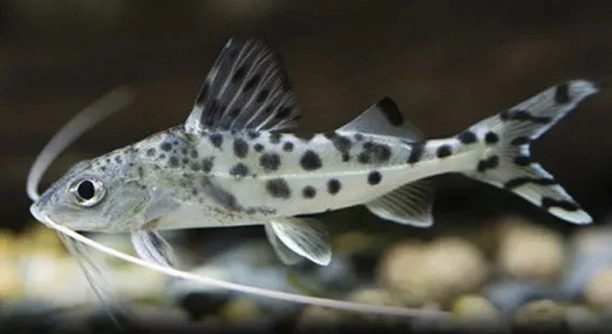
Many aquarium enthusiasts enjoy keeping Pictus Catfish for their active nature and striking appearance. These fish often live in tanks with various plants and decorations that mimic their natural environment. Understanding how well they adapt to heavily planted tanks is important for their care.
Pictus Catfish can thrive in heavily planted tanks if their environmental needs are met. They require ample swimming space, proper water flow, and hiding spots among plants. Adequate maintenance and monitoring ensure their health and comfort in such setups.
Learning about their specific habitat preferences helps create a balanced tank environment. This information supports both the fish’s well-being and the overall beauty of your planted aquarium.
Ideal Tank Conditions for Pictus Catfish
Pictus Catfish prefer tanks with moderate water flow and plenty of open swimming space. While they do enjoy hiding among plants, overcrowding the tank with dense vegetation can limit their movement and cause stress. These fish are native to rivers with rocky bottoms and gentle currents, so a planted tank should mimic these conditions with smooth substrates and some open areas. Lighting should be moderate, as Pictus Catfish are more active in dimmer environments. Regular water changes and stable water parameters are also important to keep them healthy. Maintaining a balance between plants and open swimming zones helps the fish feel secure without restricting their natural behavior. Proper filtration is necessary to ensure clean water since these fish can be sensitive to poor water quality. In short, a mix of hiding spots and open areas supports their activity and well-being.
Maintaining moderate water flow and clean water is crucial for Pictus Catfish comfort.
Balancing plants and open swimming space allows Pictus Catfish to explore without feeling confined. Adding driftwood or rocks creates hiding places, which helps reduce stress. Keeping the tank clean and water parameters stable supports their health over time. A planted tank designed with these factors provides a suitable home that respects their natural habits.
Plant Selection and Placement
Choosing the right plants for a Pictus Catfish tank is essential. Hardy plants that can tolerate moderate water flow and low to medium light levels work best. Examples include Java Fern, Anubias, and Amazon Sword. These plants can be anchored to rocks or driftwood, creating natural hiding spots without overcrowding. Avoid delicate or slow-growing plants that might get damaged by the fish’s activity. Placing plants mainly along the tank edges and leaving a clear swimming path in the center works well. This arrangement mirrors their natural habitat and gives them freedom to swim and explore. Healthy plants also improve water quality by absorbing nitrates and providing oxygen, which benefits the fish. By carefully selecting and positioning plants, the tank becomes a comfortable and visually appealing environment for Pictus Catfish.
Feeding Pictus Catfish in Planted Tanks
Pictus Catfish are omnivores that enjoy a varied diet. They eat sinking pellets, live or frozen foods, and occasional vegetable matter. Feeding them properly supports their health and activity.
Feeding sinking pellets ensures the food reaches the bottom, where Pictus Catfish naturally forage. Including live or frozen foods like bloodworms or brine shrimp mimics their diet in the wild. These protein-rich foods encourage natural hunting behavior and improve coloration. Occasional vegetable treats such as blanched zucchini or cucumber help provide necessary fiber. Feeding small amounts two to three times a day prevents leftover food from polluting the tank. Watching how much they eat helps avoid overfeeding and maintains water quality.
Since these fish are bottom feeders, they benefit from meals that sink quickly. Ensuring the food reaches them without disturbing plants keeps the tank clean and healthy. Balancing their diet with proteins and vegetables supports their immune system and promotes longevity in a planted environment.
Behavior and Compatibility in Planted Tanks
Pictus Catfish are peaceful but active fish that prefer to swim in groups of at least three. They coexist well with other non-aggressive species.
They are nocturnal, meaning they are more active during low light or at night, which can complement daytime tank inhabitants. Their constant movement adds life to the tank without disturbing plants if space is sufficient. However, avoid keeping them with overly aggressive fish that might bully them. Their schooling nature means they feel more secure and display natural behaviors when kept with similar-sized companions. Proper tank mates and environment reduce stress and encourage healthy interactions. Their peaceful temperament makes them suitable for community tanks with plenty of hiding spots and swimming areas.
Tank Maintenance Tips for Planted Tanks with Pictus Catfish
Regular water changes help maintain clean water and stable conditions. Removing debris prevents plant decay and keeps fish healthy.
Monitoring water parameters such as pH, temperature, and ammonia levels is essential. Pictus Catfish thrive in slightly acidic to neutral water with temperatures between 75-80°F.
Avoiding Common Problems in Planted Tanks
Overcrowding the tank can lead to poor water quality and stressed fish. Keep the number of fish balanced with tank size to prevent this.
Excessive feeding causes leftover food to decay, promoting algae and harming plants. Feed only what the fish can consume quickly to avoid water pollution.
Lighting Considerations for Pictus Catfish Tanks
Moderate lighting supports plant growth while preventing stress in Pictus Catfish. Too bright light can cause them to hide more and reduce activity.
Substrate Choices for Planted Tanks
Fine gravel or sand works best as substrate. It allows easy rooting for plants and smooth swimming for Pictus Catfish without damaging their barbels.
FAQ
Can Pictus Catfish live only in planted tanks?
Pictus Catfish can live in both planted and non-planted tanks, but planted tanks provide better hiding spots and a more natural environment. Plants help reduce stress by offering cover and break up open spaces, making the fish feel safer. However, too many plants that limit swimming space are not ideal for them.
How many Pictus Catfish should I keep together?
It is best to keep Pictus Catfish in groups of at least three or more. They are social fish and feel more secure in small groups. Keeping only one or two can cause stress and unusual behavior. Groups also encourage natural schooling and activity, which adds life to the tank.
What tank size is suitable for Pictus Catfish?
A minimum tank size of 30 gallons is recommended for a small group of Pictus Catfish. These fish are active swimmers and need plenty of space to move around. Larger tanks with good water flow and plant coverage work even better to mimic their natural habitat.
Are Pictus Catfish compatible with other fish?
Pictus Catfish are peaceful and can live with many other non-aggressive species. Avoid aggressive or very small fish that could be mistaken for food. Good tank mates include tetras, danios, and peaceful catfish species. Compatibility depends on providing enough space and hiding places for all fish.
Do Pictus Catfish eat plants?
Pictus Catfish do not typically eat live plants. They mainly scavenge the bottom for leftover food and small invertebrates. However, they might uproot plants if the substrate is loose or if they dig around while searching for food. Using heavier substrates and anchored plants can prevent this.
What should I feed Pictus Catfish in a planted tank?
They do well on sinking pellets designed for carnivorous or omnivorous fish. Supplement their diet with live or frozen foods like bloodworms and brine shrimp. Occasional vegetable treats like zucchini or cucumber can provide fiber. Feed small amounts several times daily to avoid leftover food that can pollute the tank.
How often should I clean a planted tank with Pictus Catfish?
Regular maintenance is key to a healthy tank. Perform water changes of 25-30% every one to two weeks to keep water quality stable. Remove uneaten food and debris during cleaning. Plants also help reduce nitrates, but good filtration and monitoring are still necessary.
What water parameters do Pictus Catfish prefer?
They prefer a temperature between 75 and 80°F, a pH near neutral (6.5 to 7.5), and soft to moderately hard water. Keeping the water stable with minimal fluctuations is important to prevent stress and illness. Frequent testing helps ensure these parameters remain steady.
Can Pictus Catfish live in low-light tanks?
Yes, Pictus Catfish tolerate low to moderate lighting well. They are nocturnal and tend to be more active in dim light or at night. Bright lighting can make them hide more, so using floating plants or subdued lighting helps create a comfortable environment.
What are signs of stress in Pictus Catfish?
Signs include hiding excessively, loss of appetite, erratic swimming, or rubbing against objects. Stress can result from poor water quality, aggressive tank mates, or lack of hiding spots. Regular monitoring and adjustments to tank conditions can help reduce stress and keep the fish healthy.
How long do Pictus Catfish live?
With proper care, Pictus Catfish can live between 8 and 10 years. Good water quality, a balanced diet, and a suitable environment with plants and hiding places contribute to their longevity. Regular tank maintenance supports their overall health.
Is it necessary to provide hiding places in a planted tank?
Yes, hiding spots are very important. Plants, driftwood, and rocks offer shelter and security for Pictus Catfish. These spots reduce stress, help them feel safe, and encourage natural behavior. A tank with no hiding places can make them shy or overly stressed.
Pictus Catfish can do well in heavily planted tanks if the right care is given. They need enough open space to swim freely, along with plants and decorations that offer hiding places. The balance between open areas and plant coverage is important because these fish are active swimmers but also like to feel safe. Plants help reduce stress by providing shelter, while open swimming space allows them to move naturally and explore their environment. Keeping this balance in mind makes a tank comfortable for Pictus Catfish and supports their natural behavior.
Water quality and tank maintenance are key factors in keeping Pictus Catfish healthy in planted tanks. Regular water changes and proper filtration keep the environment clean and stable. Overfeeding should be avoided because leftover food can pollute the water and harm both fish and plants. The fish’s diet should include sinking pellets, live or frozen foods, and occasional vegetable treats to keep them well-nourished. Monitoring water parameters like temperature, pH, and hardness is also important because Pictus Catfish are sensitive to changes. Stable water conditions help reduce stress and prevent illness, supporting their long-term health.
Choosing the right plants and tank mates is just as important as tank setup and maintenance. Hardy plants that can tolerate moderate water flow and light levels work best, while delicate plants might be damaged by the fish’s activity. Tank mates should be peaceful and not aggressive, to avoid bullying or stress. Keeping Pictus Catfish in small groups helps them feel secure and encourages natural schooling behavior. When all these factors come together—balanced planting, good water quality, proper feeding, and compatible companions—Pictus Catfish can thrive and add beauty and activity to your planted aquarium.

Hello,
If you enjoy the content that we create, please consider saying a "Thank You!" by leaving a tip.
Every little bit helps us continue crafting quality advice that supports the health, happiness, and well-being of pets around the world, for pets of all shapes, sizes, and species.
We really appreciate the kindness and support that you show us!