
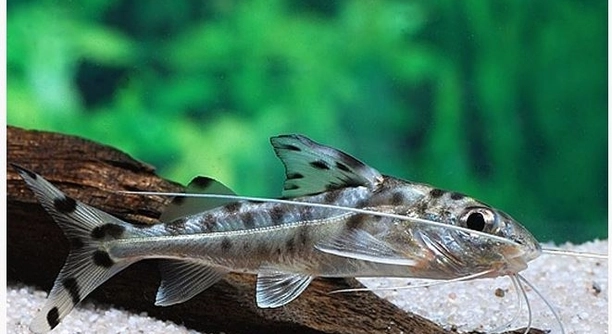
Many fish enthusiasts notice that Pictus Catfish often hide during the day. These shy creatures prefer quiet and dim spaces in their tanks. Their behavior is a natural part of how they stay safe and comfortable.
Pictus Catfish prefer to stay hidden during daylight hours because they are nocturnal and vulnerable to predators. Their hiding behavior helps them avoid stress and conserve energy while seeking food mainly at night. This instinct is essential for their survival in both wild and captive environments.
Understanding why these catfish behave this way can help owners create better habitats. It also improves the overall well-being of these fascinating fish.
Why Pictus Catfish Hide During the Day
Pictus Catfish are naturally nocturnal, meaning they are most active at night. During the day, they prefer to stay hidden to avoid potential threats. Their wild habitat consists of rivers with many hiding spots, like rocks and plants, which they use to feel safe. In home aquariums, they often seek out caves, dense plants, or decorations that offer cover. This behavior helps reduce stress and allows them to rest. When they feel safe, they are healthier and more likely to show their active, curious side at night. Keeping bright lights off or providing shaded areas in the tank can help mimic their natural environment and encourage them to feel secure. This is why it’s important to understand their natural habits to keep them comfortable and stress-free in captivity.
Hiding during the day is a natural survival strategy for Pictus Catfish, not a sign of illness or discomfort.
Making small changes to your tank setup can improve their well-being and encourage more natural behavior during the day and night.
Creating a Comfortable Habitat for Your Pictus Catfish
The right tank setup plays a big role in how often Pictus Catfish feel safe enough to come out.
To make a comfortable habitat, use plenty of hiding spots like caves, driftwood, or dense plants. Soft, sandy substrate helps protect their delicate barbels. Avoid placing bright lights directly over the tank, and try using a dimmer or floating plants to create shaded areas. These fish also prefer calm water with gentle currents, so a strong filter flow may cause them stress. A consistent day-night cycle helps regulate their natural rhythms, making them feel more secure. Keeping tankmates peaceful and not too aggressive is important too. With a thoughtful setup, you’ll notice your catfish exploring more during their active hours, showing off their unique behavior and charm.
Creating a peaceful environment will allow your Pictus Catfish to thrive and display their natural habits.
Feeding Habits and Hiding Behavior
Pictus Catfish mostly hunt at night, which is why they stay hidden during the day. Their feeding habits are closely tied to their natural behavior.
They are bottom feeders who use their sensitive barbels to locate food in low light. During daylight hours, they conserve energy and avoid risks by staying in hiding. When the tank lights dim, they become more active and begin searching for food. This pattern helps them avoid predators and reduces competition with other fish. Feeding them in the evening or night aligns with their natural schedule and encourages healthy behavior. Using sinking pellets or live foods can also help satisfy their nighttime hunting instincts.
Feeding times and the type of food offered can influence how comfortable your Pictus Catfish feels coming out of hiding.
Adjusting your feeding routine to match their natural habits will support their well-being and encourage more activity during their preferred hours.
Tank Mates and Their Influence
Choosing the right tank mates affects how much your Pictus Catfish will hide.
Peaceful fish that don’t bother them create a calm environment, making the catfish feel safer. Aggressive or fast-moving fish can cause stress, making them retreat more often. It’s best to avoid large or territorial species that might bully or chase the Pictus Catfish. Ideal companions include other peaceful bottom or mid-level swimmers that won’t compete aggressively for food or space. When the tank atmosphere is calm, your catfish may explore more during the day. Watching how your fish interact helps you understand their comfort level. Sometimes, small changes in the community can make a big difference in your catfish’s behavior and overall health.
Light and Its Effect on Pictus Catfish
Bright lighting makes Pictus Catfish feel exposed and unsafe, causing them to hide more. They prefer dim or shaded areas in the tank to feel secure.
Using low-intensity lights or adding floating plants can help reduce brightness. This creates a more natural environment and encourages them to come out.
Importance of Water Quality
Clean, well-maintained water is crucial for Pictus Catfish’s comfort and health. Poor water quality stresses them and increases hiding behavior. Regular water changes and proper filtration help maintain a stable environment. Monitoring parameters like pH, ammonia, nitrite, and nitrate keeps them healthy. Consistent water conditions reduce stress and support their natural habits. This care allows your catfish to be more active and visible during their usual times.
Noise and Vibrations
Loud noises and strong vibrations make Pictus Catfish nervous, leading to more hiding. Keeping their environment calm supports their comfort.
Why do Pictus Catfish hide all day?
Pictus Catfish are naturally nocturnal, which means they are active mostly at night. During the day, they stay hidden to avoid predators and reduce stress. Hiding helps them feel safe and conserve energy until it’s time to search for food in low light.
Is it normal for Pictus Catfish to hide all the time?
Yes, it is normal. These fish are shy and prefer quiet, dim spaces during daylight hours. If your catfish hides often but comes out during feeding or evening, it usually means they are comfortable and following their natural routine.
How can I make my Pictus Catfish feel safe enough to come out more?
Create hiding spots with caves, plants, or driftwood. Use soft lighting or floating plants to reduce brightness. Keep tank mates peaceful, maintain clean water, and avoid loud noises or sudden movements near the tank. These changes help your catfish feel secure and more willing to explore.
What kind of tank mates work best with Pictus Catfish?
Peaceful fish that don’t compete aggressively for food or space are best. Avoid large, aggressive, or territorial species. Good tank mates include smaller peaceful bottom dwellers or calm mid-level swimmers. This helps reduce stress and hiding behavior in your catfish.
Do Pictus Catfish need special feeding times?
Yes. Feeding them in the evening or at night matches their natural feeding habits. Use sinking pellets or live foods to encourage their nighttime hunting instincts. Feeding during their active hours supports healthy behavior and lessens daytime hiding.
Can bright lights harm Pictus Catfish?
Bright lights don’t harm them but make them feel exposed and stressed. This leads to more hiding. Using dim lights or providing shaded areas helps create a comfortable environment and encourages more natural activity.
How often should I clean the tank for Pictus Catfish?
Regular water changes, about 20-30% weekly, keep water clean and parameters stable. Good filtration and monitoring ammonia, nitrites, and nitrates are important. Clean water reduces stress, supporting their health and natural behavior.
Why does my Pictus Catfish hide even at night?
If they hide at night too, it might be due to stress from poor water quality, aggressive tank mates, or illness. Check water conditions, observe other fish, and watch for signs of sickness. Adjusting the environment can help your catfish feel safe again.
Can sudden noises affect my Pictus Catfish?
Yes, loud or sudden noises and vibrations make them nervous. This can cause them to hide more often. Keeping the tank in a quiet area with minimal disturbances helps your catfish stay calm and active.
What substrate is best for Pictus Catfish?
Soft, sandy substrate is best because it protects their sensitive barbels. Sharp or rough gravel can cause injury and stress. A smooth bottom encourages natural foraging and makes them feel comfortable.
Pictus Catfish are naturally shy and nocturnal creatures. Their tendency to stay hidden during the day is a normal part of their behavior. This hiding helps them feel safe and avoid stress from bright lights, loud noises, or aggressive tank mates. When they have plenty of hiding spots and a calm environment, they can rest properly and stay healthy. Understanding this behavior makes it easier to care for them in an aquarium setting and enjoy their active moments at night.
Creating a suitable habitat is key to helping Pictus Catfish feel comfortable. This includes adding caves, plants, or decorations that offer shelter. Soft lighting or shaded areas reduce stress and encourage them to explore more during the day. Feeding them in the evening or at night supports their natural feeding habits and helps keep them healthy. It’s also important to maintain clean water and stable conditions, as poor water quality can cause them to hide more or become sick. Choosing peaceful tank mates helps reduce competition and stress, allowing your catfish to show their natural behavior.
Overall, respecting the natural habits of Pictus Catfish helps improve their quality of life. They may not be active during the day, but this is part of how they stay safe and healthy. Paying attention to their needs and environment makes a big difference in how they behave. With proper care, these catfish can be a wonderful addition to your aquarium, showing their unique charm when they come out to explore under the right conditions.

Hello,
If you enjoy the content that we create, please consider saying a "Thank You!" by leaving a tip.
Every little bit helps us continue crafting quality advice that supports the health, happiness, and well-being of pets around the world, for pets of all shapes, sizes, and species.
We really appreciate the kindness and support that you show us!