
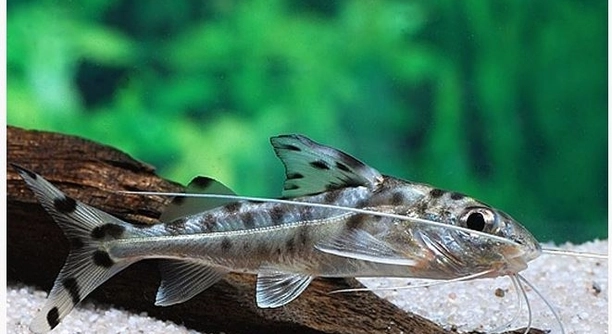
Many people enjoy keeping Pictus Catfish as part of their aquarium community. These fish are known for their active swimming and peaceful nature. Over time, owners may notice changes in their behavior that raise concerns about aggression.
Pictus Catfish generally remain peaceful, but under certain conditions like overcrowding, stress, or lack of hiding spots, they can become more aggressive. Changes in their environment or tank mates often influence this shift in behavior.
Understanding what triggers aggression in Pictus Catfish can help maintain a calm aquarium environment. This article will explain important factors to consider when caring for them.
Why Pictus Catfish May Show Aggression
Pictus Catfish are usually peaceful, but certain factors can cause them to act aggressively. One common reason is overcrowding in the tank. When too many fish share a small space, stress levels rise, and territorial behavior can increase. Another cause is a lack of hiding spots or decorations. These fish feel safer when they have places to retreat, so an empty tank can make them anxious and defensive. Changes in tank mates also affect their mood. If they are housed with aggressive or very active fish, they may respond by becoming aggressive themselves. Poor water quality can add to stress and cause behavior changes, so keeping the tank clean is important. Finally, feeding habits matter; if food is scarce or unevenly distributed, competition might lead to aggression.
Aggression is more likely in stressful environments or when their natural needs are not met. Proper care and setup help maintain their calm nature.
Paying attention to tank size, hiding places, and compatible companions can reduce the chance of aggression. Ensuring a balanced environment makes a big difference for Pictus Catfish behavior.
Recognizing Signs of Aggression in Pictus Catfish
Aggressive Pictus Catfish may chase other fish or nip at their fins. These behaviors can indicate stress or territorial disputes.
Watching for these signs early helps you take action. If you notice these behaviors, check the tank conditions first. Adjusting the environment by adding hiding spots, reducing crowding, or changing tank mates usually calms them down. Sometimes, feeding them more frequently or spreading food evenly helps prevent fights. In rare cases, separating aggressive fish might be necessary. Early attention to aggression signs keeps the whole aquarium peaceful and healthy.
Managing Aggression in Pictus Catfish
Aggression can be managed by improving tank conditions and monitoring fish behavior closely. Simple changes often make a big difference.
Adding plenty of hiding places like plants, caves, or decorations helps reduce stress and territorial fights. Making sure the tank is large enough for all fish gives them room to swim without feeling crowded. Avoid keeping aggressive or overly active species with Pictus Catfish, as this can provoke conflicts. Feeding your fish regularly and distributing food evenly prevents competition and chasing. Regular water changes maintain a healthy environment, reducing stress that leads to aggression.
If one Pictus Catfish remains aggressive despite changes, separating it from others may be necessary. Using a divider or a separate tank can help. Keeping an eye on interactions helps catch issues early before aggression causes harm to other fish or the catfish itself.
Feeding Habits and Aggression
Inadequate feeding can increase aggression among Pictus Catfish. Ensuring they get enough food prevents fights.
Feeding multiple small meals instead of one large feeding can reduce competition and aggression during meal times. Pictus Catfish are bottom feeders, so sinking pellets or wafers work best. Spreading food around the tank encourages natural foraging and reduces aggressive behavior. Avoid overfeeding, as leftover food can harm water quality and cause stress. Healthy feeding routines contribute to calmer, more peaceful fish that coexist well with others.
Tank Size and Its Impact on Behavior
A small tank can cause stress and aggression in Pictus Catfish. Giving them enough space helps reduce fights.
A minimum of 55 gallons is recommended for a group of Pictus Catfish. More space means less competition for territory and hiding spots, which keeps aggression low.
Choosing Compatible Tank Mates
Not all fish get along with Pictus Catfish. Avoid overly aggressive or very timid species.
Pictus Catfish prefer peaceful, active fish that occupy different tank levels. Good tank mates include tetras, danios, and Corydoras catfish. Avoid large aggressive fish or slow-moving, delicate species that may be bullied. Compatibility reduces stress and prevents conflicts, creating a balanced and calm aquarium community.
Water Quality and Stress
Poor water quality increases stress and aggression. Keep the tank clean to maintain calm fish.
FAQ
Can Pictus Catfish become aggressive suddenly?
Yes, Pictus Catfish can show sudden aggression if their environment changes drastically. Factors like new tank mates, overcrowding, or poor water conditions can cause stress that leads to aggressive behavior. It is important to monitor their surroundings closely to prevent sudden mood shifts.
How can I tell if my Pictus Catfish is stressed?
Signs of stress include hiding more than usual, rapid breathing, erratic swimming, or aggressive chasing of other fish. Stress often results from poor water quality, lack of hiding places, or incompatible tank mates. Addressing these issues usually helps your catfish return to normal behavior.
Are Pictus Catfish naturally aggressive?
No, they are generally peaceful fish. Aggression typically appears only when they feel threatened, overcrowded, or stressed. They prefer calm environments with enough space and hiding spots to feel secure.
How much space does a Pictus Catfish need?
A group of Pictus Catfish should have at least 55 gallons of water. This allows them to swim freely and reduces territorial disputes. Providing enough space is key to preventing aggressive behavior.
What tank mates work well with Pictus Catfish?
Good tank mates include peaceful and active fish like tetras, danios, and Corydoras catfish. Avoid aggressive or very slow-moving fish that could be bullied. Choosing compatible tank mates helps maintain a peaceful aquarium.
Can poor water quality cause aggression?
Yes, dirty water causes stress, which can make Pictus Catfish aggressive. Regular water changes and maintaining proper filtration keep water clean and fish calm. Testing water parameters helps catch problems early.
Should I feed Pictus Catfish multiple times a day?
Feeding small amounts multiple times a day is better than one large feeding. It reduces competition and aggression during feeding. Use sinking pellets or wafers to match their bottom-feeding habits and spread food evenly.
What should I do if one Pictus Catfish is aggressive?
Try improving the tank setup by adding hiding spots and increasing space. If aggression continues, separate the aggressive fish temporarily. Monitor their behavior and make changes slowly to reduce stress.
Can tank decorations reduce aggression?
Yes, plants, rocks, and caves provide hiding spots and break up the tank space. This reduces territorial disputes and helps Pictus Catfish feel secure. A well-decorated tank promotes calm behavior.
Is it normal for Pictus Catfish to nip fins?
Occasional fin nipping can happen during feeding or if space is limited. Frequent nipping signals stress or aggression, and you should check tank conditions and fish compatibility to fix the problem.
How often should I clean the tank?
Perform partial water changes of 20-30% weekly to maintain water quality. Regular cleaning removes waste and toxins, reducing stress and aggression in your fish.
Can changes in tank mates cause aggression?
Yes, introducing new or aggressive fish can upset the social balance and cause aggression. Introduce new fish slowly and observe interactions closely to prevent fights.
Do Pictus Catfish need hiding spots?
Yes, hiding places are essential for their well-being. These spots help them feel safe and reduce stress, which lowers the chance of aggressive behavior.
Is it okay to keep Pictus Catfish alone?
They are social fish and prefer groups. Keeping them alone can cause stress or boredom, which might lead to aggression or health problems.
What water temperature is best for Pictus Catfish?
Maintain the temperature between 72°F and 78°F (22°C to 26°C). Stable temperature supports their health and reduces stress-related aggression.
Can lighting affect aggression?
Too bright lighting can stress Pictus Catfish, causing them to hide or act aggressively. Provide moderate lighting and areas of shade for comfort.
How long does it take for Pictus Catfish to calm down in a new tank?
They usually adjust within a few days to a couple of weeks. Providing hiding places, good water quality, and compatible tank mates speeds up their comfort and reduces aggression.
What are common signs of a healthy Pictus Catfish?
Healthy catfish swim actively, have clear eyes, smooth fins, and eat regularly. They interact peacefully with tank mates and show normal curiosity.
Can stress from aggression affect their health?
Yes, prolonged stress weakens their immune system, making them prone to illness. Preventing aggression helps keep them healthy and happy.
Are there specific foods that help reduce aggression?
A balanced diet with sinking pellets, live or frozen foods like bloodworms, and occasional vegetables supports their health. Well-fed fish are less likely to compete aggressively.
How can I introduce new Pictus Catfish without causing aggression?
Quarantine new fish first and add them slowly. Rearrange tank decorations before adding new fish to reduce territorial disputes. Observe interactions and separate if needed.
Pictus Catfish are mostly peaceful fish that add life and activity to many aquariums. While they are not naturally aggressive, changes in their environment or tank conditions can cause them to behave differently over time. Factors such as overcrowding, poor water quality, lack of hiding spots, and incompatible tank mates all contribute to stress, which can lead to aggression. Understanding these factors is important for anyone who wants to keep Pictus Catfish healthy and calm in their tank. By providing a well-maintained environment, you can help your catfish stay peaceful and enjoy their home.
Creating a suitable living space for Pictus Catfish involves giving them enough room to swim freely and places to hide when they need to feel safe. A tank of at least 55 gallons is recommended for a small group. Decorations such as plants, caves, and rocks help reduce territorial disputes and offer refuge during stressful moments. Feeding them multiple small meals of sinking pellets or wafers helps prevent competition and reduces aggression during feeding times. It’s also important to choose tank mates carefully. Fish that are peaceful and active but occupy different tank levels usually get along well with Pictus Catfish. Avoiding overly aggressive or slow-moving species helps keep the peace in your aquarium.
Regular maintenance is another key factor in preventing aggression. Keeping the water clean through frequent partial water changes and monitoring water parameters prevents stress caused by poor water quality. Stress can weaken fish, making them more prone to disease and aggressive behavior. Watching your catfish’s behavior closely will help you notice any changes early. If aggression does occur, making adjustments to the tank setup or separating aggressive individuals when needed can help restore balance. Overall, a calm, well-planned environment ensures that Pictus Catfish remain peaceful and healthy for years to come.

Hello,
If you enjoy the content that we create, please consider saying a "Thank You!" by leaving a tip.
Every little bit helps us continue crafting quality advice that supports the health, happiness, and well-being of pets around the world, for pets of all shapes, sizes, and species.
We really appreciate the kindness and support that you show us!