
Is your pictus catfish growing but you’re unsure if it’s thriving the way it should in your home aquarium setup?
A healthy pictus catfish shows steady growth, active swimming, and a strong appetite. Proper tank conditions, clean water, and a balanced diet all support its physical development. Monitoring these factors helps ensure long-term growth and well-being.
Learning to spot the right signs early on can make caring for your pictus catfish easier and more rewarding in the long run.
Check for Steady Growth Over Time
A healthy pictus catfish should grow gradually, especially in its first year. On average, it can reach 4 to 5 inches within 12 months if cared for properly. Size increases may vary slightly depending on genetics, feeding habits, and water conditions. If you started with a juvenile around 1 to 2 inches long, you should notice clear growth after a few months. Tracking your fish’s size monthly can help you spot any signs of stunted development. Sudden growth spurts or no growth at all could point to issues with water quality or nutrition. Avoid comparing your fish’s growth to those in other tanks, as each fish grows at its own pace. Instead, focus on steady progress based on your fish’s unique starting size. Make sure your tank provides enough space for swimming, hiding, and exploration, as restricted movement can slow growth. A clean, well-maintained setup makes a big difference.
Measure your pictus catfish from snout to tail every month. Keep a small log for comparison.
If your catfish hasn’t grown much despite good care, consider checking water temperature, ammonia levels, and diet quality. Overfeeding or offering low-nutrient foods may slow development. Sometimes, moving the fish to a larger tank helps restart healthy growth patterns.
Look for a Strong Appetite
Pictus catfish are active feeders and will eagerly swim for food. A strong appetite often shows they’re growing well.
Feeding your pictus catfish a mix of high-quality pellets, frozen bloodworms, and sinking protein-based foods supports steady growth. Offer food once or twice daily and observe their reaction. If your fish swims actively to grab food and eats quickly, it’s a good sign. They may also pick up leftover bits around the tank bottom, which is normal behavior. A loss of appetite, on the other hand, might indicate stress, poor water quality, or illness. In that case, check for changes in tank conditions or signs of infection. Avoid overfeeding, as uneaten food can lead to water contamination and slow your fish’s growth. It helps to stick to small portions and remove any leftovers. Keeping a consistent feeding schedule builds healthy habits, and your fish will begin to recognize when food is coming.
Watch for Active Swimming and Exploration
A healthy pictus catfish is constantly on the move. They prefer to swim along the tank bottom and explore decorations or hiding spots. If yours spends too much time still, it may be stressed or unwell.
Pictus catfish are naturally curious and active. When growing well, they explore their environment, swim with energy, and often dart through the water quickly. It’s normal to see them hiding at times, especially during the day, but you should still notice regular movement throughout the day and night. Lack of activity or hovering near the surface can suggest poor water quality, insufficient oxygen, or illness. Consider testing the water and checking if the tank has enough space and cover. Also, keep in mind that these fish are more active when kept in small groups, so a lonely catfish might appear more timid or sluggish.
Adding caves or driftwood gives your pictus catfish more chances to explore. Hiding places support mental stimulation and reduce stress, which encourages better swimming patterns. You might also notice increased activity after water changes or during feeding times. Keep an eye out for smooth, coordinated swimming rather than erratic or clumsy movements. Active swimming shows they’re adjusting well to the tank and growing steadily.
Check for Proper Body Shape and Fin Condition
Your pictus catfish should have a slim but firm body. A thin, sunken belly or torn fins can be signs of malnutrition, stress, or poor tank conditions.
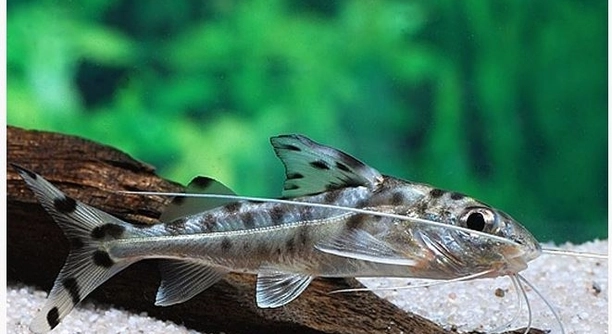
When growing properly, your catfish should have a smooth, torpedo-shaped body and healthy, intact fins. The whiskers (barbels) should look long and straight, without curling or damage. If your fish looks bloated or unusually skinny, it may not be digesting food well or receiving the right nutrients. Frayed fins or white edges often signal fin rot, which can come from dirty water or rough tank mates. Keep an eye on how the body and fins look over time. These small visual signs can reveal bigger issues early. Regularly cleaning the tank and offering quality food can help prevent most appearance-related concerns. A strong, even shape and clean fins reflect both good health and consistent growth.
To support healthy body shape, make sure your catfish has enough room to swim without bumping into objects. Avoid sharp decorations that might damage its fins or body. Monitor tankmates to prevent bullying, which can lead to stress or injury. Clean water and a balanced diet do most of the work, but consistent observation is key. You’ll start to notice patterns in behavior and appearance that reflect your fish’s health.
Monitor Response to Water Changes
A healthy pictus catfish will often become more active after a water change. It may swim around more or explore new spots. If it hides or acts sluggish, there could be a problem with the water quality or temperature.
Make sure the replacement water matches the tank’s temperature and is properly treated. Sudden shifts in temperature or pH can stress your catfish and slow its growth. Consistent, gentle water changes help maintain stable conditions and support steady development.
Look for Normal Breathing Patterns
Your pictus catfish should breathe calmly, with steady gill movement. Rapid or labored breathing may signal stress or poor oxygen levels. Clean water and good aeration keep their breathing regular and help them stay healthy as they grow.
Check for Consistent Behavior Over Time
If your pictus catfish acts the same day after day—eating, swimming, and hiding normally—it’s likely adjusting well. Sudden changes in behavior may mean it’s not growing properly or something in the tank needs attention.
FAQ
How fast should a pictus catfish grow?
Pictus catfish usually grow about 1 inch every two to three months, especially during their first year. By the end of their first year, they often reach between 4 and 5 inches in length. Growth can slow down after this stage. The exact rate depends on water quality, diet, and tank space. If your fish shows no growth for several months, it’s a good idea to review tank conditions and feeding habits. A lack of growth often points to poor nutrition, stress, or unclean water. Healthy growth is gradual, not instant, so patience and consistency are key.
What should I feed my pictus catfish for better growth?
A good diet includes sinking pellets, frozen bloodworms, brine shrimp, and the occasional fresh vegetable like zucchini. Pictus catfish are omnivorous, but they need plenty of protein to grow. Avoid feeding only flakes or surface food—they feed near the bottom, so sinking foods are best. Rotate food types every few days to give a variety of nutrients. Overfeeding can cause waste buildup and harm water quality, so only feed what they’ll finish in a few minutes. High-quality food combined with clean water supports proper digestion, which helps your catfish grow strong and stay active.
Why is my pictus catfish hiding all the time?
Pictus catfish are naturally shy and nocturnal, so hiding is normal to a degree. However, constant hiding even during feeding times may signal stress, illness, or poor tank conditions. Check the water parameters and make sure your tank has enough hiding places like caves or driftwood. Bright lighting can also cause them to hide more often, so consider dimming the lights or adding floating plants. If your fish used to be more active and suddenly started hiding, investigate possible causes like aggression from other fish or sudden changes in water quality.
Can tank size affect my catfish’s growth?
Yes, tank size plays a major role in how well your pictus catfish grows. A small tank can limit movement, cause stress, and stunt growth. A single pictus catfish should have at least a 55-gallon tank, especially once it nears adult size. These fish are fast swimmers and need plenty of horizontal space to move. Overcrowded tanks also affect oxygen levels and waste buildup. Providing enough room lets your fish exercise properly, reduces stress, and helps maintain stable water conditions, all of which are important for steady growth.
How can I tell if my pictus catfish is stressed?
Signs of stress include erratic swimming, loss of appetite, clamped fins, rapid breathing, and unusual hiding behavior. Stressed fish may also lose color or appear restless. Causes range from dirty water to aggressive tank mates or incorrect water temperature. Stress slows down growth and weakens the immune system. It’s important to catch early signs and take steps to fix the cause. Test the water, reduce noise or sudden movement near the tank, and make sure the tank setup meets your catfish’s needs. A calm and balanced tank environment keeps stress low and supports healthy growth.
Why aren’t my pictus catfish growing at the same rate?
Even in the same tank, fish grow at different speeds. Differences in metabolism, feeding habits, and position in the social group can all affect growth. Some fish eat more or reach the food quicker than others. If one catfish consistently grows slower, try spacing out food or feeding in different areas of the tank. Also, check for bullying or competition. Slight variation is normal, but large differences may point to an underlying issue with nutrition or water quality. Keep monitoring and adjust care as needed.
Should I keep more than one pictus catfish?
Pictus catfish tend to feel more secure when kept in small groups. They are peaceful fish that benefit from social interaction with their own kind. A group of 3 to 5 can encourage more natural behavior and reduce hiding. However, keeping multiple requires a larger tank—at least 75 gallons—to avoid overcrowding. When housed properly, group living can help reduce stress and improve appetite and activity levels, both of which support healthy growth. Always make sure your tank is big enough before adding more catfish.
Final Thoughts
Watching your pictus catfish grow is a rewarding part of keeping an aquarium. These fish are active, curious, and full of personality. When they are cared for properly, they grow steadily and show strong signs of good health. Simple things like a balanced diet, clean water, and enough space all play an important role in their development. Paying close attention to your fish’s behavior, appearance, and habits helps you catch problems early and make changes before they become serious. Even small improvements to feeding or water quality can make a difference over time.
Growth in pictus catfish doesn’t happen overnight. It takes patience, routine care, and a stable environment. Tracking progress monthly, feeding a variety of high-quality foods, and checking water levels regularly are all helpful practices. If you notice your catfish is not growing as expected, take time to look at each part of its setup. Maybe the tank is too small, or the food is missing key nutrients. You may even find that small changes—like adding hiding spots or adjusting water temperature—lead to better behavior and more growth. It’s about learning what works best for your fish and making sure you meet those needs consistently.
Taking care of a pictus catfish can be simple if you stay observant and act early when something feels off. Growth is just one sign of good health, but it connects closely to many other areas like diet, activity, and overall well-being. These fish don’t need complicated care routines, but they do rely on a clean, peaceful space and a routine that fits their needs. Whether you’re new to fishkeeping or have some experience, staying focused on the basics will help your catfish grow well. Over time, the results will show through steady size increases, active swimming, and a healthy appearance.

Hello,
If you enjoy the content that we create, please consider saying a "Thank You!" by leaving a tip.
Every little bit helps us continue crafting quality advice that supports the health, happiness, and well-being of pets around the world, for pets of all shapes, sizes, and species.
We really appreciate the kindness and support that you show us!