
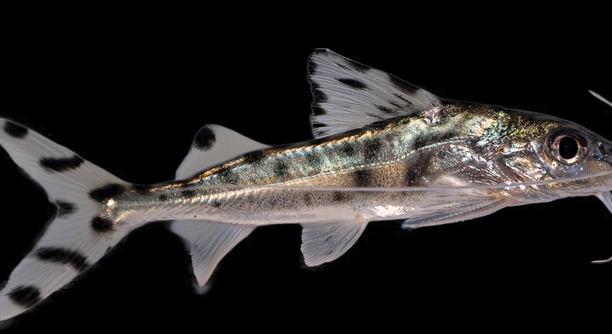
Many aquarium owners enjoy keeping pictus catfish because of their active and social nature. These fish can grow quickly and need space to swim freely. Knowing when to upgrade their tank helps keep them healthy and happy.
Pictus catfish require a larger tank when they outgrow their current space, show signs of stress, reduced activity, or exhibit changes in behavior. A bigger environment supports their natural swimming needs and overall well-being.
Recognizing these signs early will help you provide the best care for your catfish and maintain a thriving aquarium environment.
Rapid Growth and Space Needs
Pictus catfish grow faster than many other freshwater fish, and their size quickly becomes a factor in tank comfort. When they are young, a smaller tank might work fine, but as they mature, they need more space to swim and explore. If your catfish start bumping into decorations or seem cramped, it’s a clear sign the tank is too small. Crowding can cause stress, which affects their health and behavior. In a cramped tank, waste also builds up faster, leading to poor water quality. You might notice your fish hiding more often or swimming less energetically. These are subtle hints that a larger environment would suit them better. Giving them room not only improves their physical health but also encourages natural behavior like exploring and socializing with tank mates.
Upgrading the tank size reduces stress and promotes a healthier lifestyle for your pictus catfish.
Watching them thrive in a bigger tank is rewarding, and it’s a simple way to improve their quality of life.
Changes in Behavior and Activity
Pictus catfish are active swimmers who love moving around the tank. When they start acting sluggish or hiding more than usual, it often means their current tank no longer meets their needs. Reduced activity can also result from overcrowding or poor water conditions caused by limited space. These fish are naturally curious and social, so a small tank may limit their interactions. Behavior changes may include aggression or increased hiding spots. If your catfish seem restless, darting nervously, or showing other signs of discomfort, these behaviors point toward tank stress. Observing their behavior closely will help you decide when to provide a larger home.
Water Quality and Maintenance Challenges
A smaller tank can lead to faster pollution buildup, which directly affects your pictus catfish’s health. When fish grow, they produce more waste, and a small tank can’t dilute this effectively. This causes toxic ammonia and nitrite levels to rise, which is harmful to your catfish. Frequent water changes become necessary but are not always enough to keep the environment safe. In addition, limited water volume reduces oxygen levels, stressing your fish further. Keeping up with constant cleaning can be overwhelming, and the fish may suffer quietly until problems become obvious. Moving to a bigger tank stabilizes water quality and reduces maintenance, creating a more balanced and stable habitat. It also gives beneficial bacteria a better environment to thrive, which helps break down waste naturally. Proper tank size is crucial for maintaining good water conditions and ensuring your catfish live longer, healthier lives.
Signs of Stress in Your Catfish
Stress in pictus catfish often shows as erratic swimming or hiding. These signs mean they feel unsafe or uncomfortable in their environment.
Stress weakens their immune system, making them prone to illness. Crowded tanks increase competition for oxygen and food. Pictus catfish also need hiding spots, but too many or cramped areas can cause anxiety. When the tank is too small, they cannot establish territory or swim naturally. Stress can lead to loss of appetite and faded colors. Watching for these signs helps you act before health problems arise. A larger tank eases these issues by giving your catfish enough space and comfort.
Stress also causes increased aggression or lethargy, which disturbs tank harmony. Expanding their living space reduces stress and improves their overall behavior.
Swimming Patterns and Activity Levels
Pictus catfish are known for their quick, energetic swimming and schooling behavior. If they start moving less or seem sluggish, it may mean they need more room. Limited space restricts their natural exercise, affecting muscle tone and health. Healthy pictus catfish usually explore their environment and interact with others. A small tank forces them into tight movements, leading to stress and boredom.
When fish can’t swim freely, they lose their natural rhythm. Larger tanks allow for smoother, more consistent swimming, which benefits their muscles and mental state. This encourages more social behavior and helps them feel secure. Noticing changes in their swimming is a clear sign that an upgrade is needed to maintain their health and happiness.
Growth Outpaces Tank Size
When your pictus catfish grows noticeably larger, it’s a clear sign the tank may be too small. Their increasing size demands more swimming space to stay healthy and active.
Ignoring this can cause stunted growth and stress. Providing a bigger tank supports their natural development and overall well-being.
Increased Waste Production
Larger fish produce more waste, which can quickly overwhelm a small tank’s filtration system. This leads to poor water quality and health risks.
Regular water testing helps monitor this, but upgrading the tank size is often the best long-term solution for maintaining a safe environment.
Difficulty Finding Hiding Spots
Pictus catfish need secure places to hide and feel safe. In a cramped tank, suitable hiding spots become limited or overcrowded.
This lack of space causes anxiety and affects their behavior negatively.
FAQ
How big should a tank be for pictus catfish?
A tank for pictus catfish should be at least 30 gallons for a small group, as they are active swimmers who need space. Larger tanks of 50 gallons or more are ideal when keeping multiple fish or if they have grown significantly. This size provides enough room for swimming, hiding, and maintaining good water quality. Overcrowding in smaller tanks can cause stress and health problems. It’s important to consider both the fish’s current size and their potential growth when choosing a tank.
Can pictus catfish live in a small tank temporarily?
Yes, pictus catfish can live in smaller tanks temporarily when they are young or during quarantine. However, this should only be for a short period. Prolonged confinement in a small tank limits their movement, causes stress, and leads to poor water conditions. Planning to upgrade the tank as they grow is important for their long-term health.
What signs indicate a pictus catfish is stressed?
Signs of stress in pictus catfish include hiding frequently, erratic swimming, loss of appetite, and faded colors. They may also become more aggressive or lethargic. Stress often results from poor water quality, overcrowding, or inadequate space. Observing these behaviors early helps prevent illness and allows you to improve their environment.
How often should I change the water in a tank with pictus catfish?
Water changes depend on tank size and stocking levels but generally, a 20-30% water change every week is recommended. In smaller or overcrowded tanks, more frequent changes might be necessary due to quicker buildup of waste and toxins. Clean water keeps your catfish healthy and reduces stress.
What tank setup is best for pictus catfish?
A tank with plenty of open swimming space, moderate hiding spots like caves or plants, and a good filtration system works best. Pictus catfish enjoy dim lighting and soft substrates like sand, which mimic their natural environment. Stable water temperature around 74-79°F is ideal. Avoid overcrowding decorations to prevent limiting their movement.
Can pictus catfish live with other fish?
Yes, pictus catfish are generally peaceful and do well with other non-aggressive, similarly sized fish. Avoid keeping them with very small fish that might be seen as prey or aggressive species that could stress them. Schooling with their own kind helps reduce stress and encourages natural behavior.
How fast do pictus catfish grow?
Pictus catfish grow relatively quickly, often reaching 4-6 inches in length within a year. Growth rate depends on diet, tank conditions, and genetics. Because of their rapid growth, it’s important to plan for a larger tank early to accommodate their size and activity level.
What do pictus catfish eat?
They are omnivores and eat a variety of foods including sinking pellets, frozen or live bloodworms, brine shrimp, and vegetable matter. Feeding them a balanced diet supports healthy growth and vibrant colors. Overfeeding should be avoided to maintain water quality.
Is it harmful if pictus catfish don’t have enough space?
Yes, lack of space causes stress, stunted growth, poor swimming ability, and can lead to illness. Restricted movement impacts their muscles and mental health. Providing enough room to swim and explore is essential for their well-being.
How can I reduce stress in my pictus catfish?
Providing a properly sized tank with clean water and appropriate hiding places helps reduce stress. Avoid sudden changes in environment or water conditions. Keeping consistent water parameters and a calm tank atmosphere also benefits your fish’s health.
Making sure your pictus catfish has enough space is important for its health and happiness. These fish are active swimmers who need room to move freely. When their tank is too small, they can become stressed, which affects their behavior and overall well-being. Stress can make them hide more, swim less, or even get sick. A bigger tank gives them the space they need to explore and stay healthy. It also helps keep the water cleaner and easier to maintain.
Upgrading the tank at the right time helps prevent many problems. Watching for signs like changes in swimming patterns, hiding more often, or growing too big for their current home can guide you in making this decision. When you move your pictus catfish to a larger tank, you provide a better environment for natural behavior and social interaction. They feel safer and less crowded, which means they are less likely to get stressed or develop health issues. A bigger tank also helps balance water quality, making it easier to keep your fish happy and healthy.
Taking care of pictus catfish is about paying attention to their needs and making adjustments when necessary. Giving them enough space is one of the simplest ways to support their well-being. It improves their physical health and makes the aquarium a better place for all your fish. Keeping an eye on their growth and behavior ensures you know when it’s time for a change. A larger tank is not just a bigger container — it’s a healthier, more comfortable home that helps your pictus catfish thrive for years to come.

Hello,
If you enjoy the content that we create, please consider saying a "Thank You!" by leaving a tip.
Every little bit helps us continue crafting quality advice that supports the health, happiness, and well-being of pets around the world, for pets of all shapes, sizes, and species.
We really appreciate the kindness and support that you show us!