
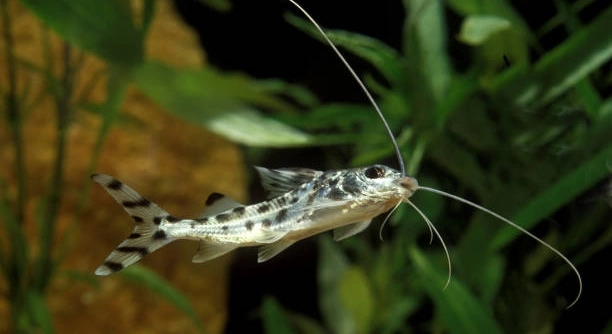
Pictus catfish are popular freshwater fish known for their active behavior and distinctive spots. Many aquarium owners want to maintain a stable environment for them, especially concerning water temperature. Understanding their sensitivity to temperature changes is important for their care.
Pictus catfish are moderately sensitive to temperature swings. Sudden or extreme fluctuations can stress them, affecting their health and behavior. Maintaining a consistent temperature between 74°F and 79°F supports their well-being and reduces the risk of illness.
Proper temperature management is essential to keep these fish healthy and thriving. This article will explain how temperature changes affect pictus catfish and how to provide a stable environment for them.
How Temperature Affects Pictus Catfish
Pictus catfish thrive in stable water temperatures because their bodies rely on external heat to regulate metabolism. When the temperature drops suddenly, their activity slows down, and their immune system weakens. Rapid temperature rises can cause stress, leading to erratic swimming or hiding. Prolonged exposure to temperatures outside the ideal range of 74°F to 79°F can result in health problems such as weakened resistance to diseases and poor digestion. Maintaining a steady temperature helps them stay active and reduces the risk of illness. Aquariums with good filtration and a reliable heater are essential for providing a consistent environment. Regular monitoring of water temperature is important because even small fluctuations can affect sensitive fish like the pictus catfish.
Keeping the tank temperature steady ensures your pictus catfish remain healthy and behave normally without unnecessary stress.
Providing stable conditions supports their natural behavior and longevity in home aquariums.
Signs of Temperature Stress in Pictus Catfish
When pictus catfish experience temperature stress, their behavior changes noticeably. They may become lethargic, spend more time hiding, or show rapid breathing. Sudden temperature swings can also cause a loss of appetite and faded coloration. Observing these signs early is important to prevent serious health issues. Keeping an eye on how your fish act daily helps detect problems before they worsen.
Temperature stress affects pictus catfish by reducing their immune function and making them more prone to infections. Stress can weaken their ability to fight off bacteria and parasites, leading to illness. Changes in temperature also disrupt their metabolism, causing digestive problems and slower healing. This can shorten their lifespan if the issue is not addressed. Stable temperatures reduce stress and support overall health. To maintain proper conditions, use an aquarium heater with a thermostat and avoid placing the tank near drafts or direct sunlight. Regular water testing and partial water changes also contribute to a healthy environment. Creating a steady temperature range gives pictus catfish the best chance to thrive in captivity.
Preventing Temperature Swings in Your Aquarium
Temperature swings often happen when heaters malfunction or room temperature changes drastically. Proper equipment and placement can reduce these changes. Avoid placing your tank near windows, doors, or air conditioners to keep water temperature steady. Regularly check the heater’s function to ensure it maintains the desired temperature.
Using a quality heater with a built-in thermostat is crucial for keeping temperatures stable. Heaters that automatically adjust power based on temperature help avoid sudden fluctuations. In addition, adding a thermometer in the tank allows constant monitoring. Consider a heater guard to protect your pictus catfish from direct contact. Insulating the aquarium or using a tank cover can also help maintain consistent warmth, especially in cooler rooms. Small changes in temperature can cause big stress, so these precautions are important for your fish’s health.
Routine water changes should be done with water at matching temperatures to prevent shock. Mixing new water to the tank’s temperature helps keep the environment stable. Consistent maintenance helps your pictus catfish stay comfortable and healthy over time.
Best Temperature Range for Pictus Catfish
The ideal temperature range for pictus catfish is 74°F to 79°F. This range supports their activity and metabolism without causing stress or health risks. Keeping the water within these limits ensures they remain active and feed well.
Temperatures below 72°F can slow down their metabolism and weaken their immune system. On the other hand, temperatures above 80°F increase their stress levels and oxygen demand, which can lead to fatigue. It’s important to maintain a narrow temperature band to avoid these risks. A stable temperature within this range promotes natural behavior like swimming and foraging. By providing consistent warmth, you support their long-term well-being in the aquarium setting.
Common Temperature-Related Illnesses
Temperature swings can trigger illnesses like ich and fungal infections in pictus catfish. Stress lowers their immune system, making it harder to fight off these diseases. Consistent temperature helps prevent such health problems.
Sudden cold shocks often lead to weakened fish and increased susceptibility to parasites. Maintaining steady warmth is key to avoiding costly treatments and suffering.
How to Safely Adjust Tank Temperature
When changing your aquarium’s temperature, do it gradually. Sudden shifts can stress your pictus catfish, causing behavior changes or illness. Increase or decrease by no more than 1°F every few hours. This slow adjustment helps the fish acclimate safely without shock.
Using Aquarium Thermometers Effectively
Place aquarium thermometers away from heaters to get accurate readings. Regularly check the temperature to catch any unexpected changes early. Reliable thermometers are essential tools for monitoring your tank environment and ensuring your fish’s comfort.
Impact of Room Temperature on Aquariums
Room temperature affects the aquarium’s water temperature, especially in tanks without heaters. Cold or hot rooms can cause unwanted temperature swings that stress pictus catfish. Controlling room conditions helps keep the tank stable.
FAQ
Are pictus catfish more sensitive to temperature than other tropical fish?
Pictus catfish are moderately sensitive to temperature changes compared to some tropical fish. They prefer stable conditions within their ideal range of 74°F to 79°F. Sudden or extreme fluctuations can cause stress, which affects their immune system and behavior. While some tropical fish tolerate wider temperature swings, pictus catfish benefit from consistent warmth to stay healthy and active.
What is the safest way to warm up a tank if it gets too cold?
The safest way to raise the tank temperature is slowly, increasing no more than 1°F every few hours. Rapid warming can shock the fish, causing stress or illness. Using a reliable aquarium heater with a thermostat helps maintain steady temperature increases. Always monitor with a thermometer to ensure changes are gradual and controlled.
Can pictus catfish survive in temperatures below 70°F?
Pictus catfish can survive short periods below 70°F, but it is not ideal. Cooler water slows their metabolism and weakens their immune system, making them more vulnerable to disease. Prolonged exposure to low temperatures can cause serious health problems. Keeping the water within the recommended range supports their natural activity and longevity.
What are the signs that my pictus catfish is stressed by temperature changes?
Signs of temperature stress include lethargy, hiding more than usual, rapid or heavy breathing, and loss of appetite. You may also notice faded coloration and erratic swimming. These behaviors suggest the fish is uncomfortable and possibly at risk of illness. Early detection of stress helps you take action to stabilize tank conditions.
How often should I check the aquarium temperature?
It is best to check the temperature daily, especially if your tank is in a room with varying temperatures. Frequent monitoring allows you to catch any unexpected changes quickly. A reliable thermometer placed away from the heater gives accurate readings. Regular checks help maintain a stable environment for your pictus catfish.
Is it necessary to use a heater in warmer climates?
Even in warmer climates, using a heater can be important because room temperatures fluctuate. Nights or rainy days can lower tank temperature suddenly. A heater with a thermostat ensures the water stays within the ideal range consistently. Without one, temperature swings can stress your fish regardless of climate.
Can I use a regular household thermometer to measure tank temperature?
A regular household thermometer is not recommended for aquarium use. It may not be waterproof or accurate in water. Aquarium thermometers are designed for this purpose and provide reliable readings. They are easy to place inside the tank or stick on the outside, making temperature monitoring safer and more precise.
Does temperature affect the breeding behavior of pictus catfish?
Yes, temperature plays a role in breeding behavior. Pictus catfish typically spawn when water is within their ideal temperature range. If the water is too cold or too warm, it can inhibit spawning or reduce fertility. Maintaining consistent, appropriate temperatures encourages natural breeding activity.
What should I do if my heater breaks and the tank temperature drops suddenly?
If your heater breaks, act quickly to restore warmth. Use a temporary heat source like a heat pack wrapped safely or move the tank to a warmer area. Avoid sudden heating methods that cause rapid temperature changes. Replace the broken heater as soon as possible and monitor fish behavior closely for stress signs.
Can temperature swings cause long-term damage to pictus catfish?
Frequent or extreme temperature swings can cause long-term damage by weakening the immune system and increasing susceptibility to disease. Chronic stress affects growth and lifespan, reducing overall health. Consistent temperatures protect your fish from these risks and support a healthier, longer life in captivity.
Final Thoughts
Maintaining a stable temperature is essential for the health and well-being of pictus catfish. These fish thrive best when their environment remains consistent, especially regarding water temperature. Sudden or frequent changes can stress them, leading to weakened immune systems and a higher risk of illness. Keeping the temperature within the recommended range of 74°F to 79°F supports their natural activity levels and overall health. Using reliable equipment like heaters with thermostats and regular monitoring with accurate thermometers helps create a stable environment. This prevents the common problems caused by temperature swings and ensures the fish remain comfortable in their aquarium.
Temperature management is not only about setting the right degrees but also about consistency over time. Even small fluctuations can cause issues for pictus catfish, so regular attention is important. Avoid placing tanks near sources of drafts, direct sunlight, or heating vents that can cause rapid temperature changes. When changing water, it’s best to match the new water temperature closely to that of the tank to avoid shocking the fish. Taking these simple but important steps makes a big difference in maintaining a healthy habitat. Consistent temperature, combined with clean water and proper nutrition, helps pictus catfish live longer and stay more active.
In the end, understanding the needs of pictus catfish regarding temperature is key to successful fishkeeping. They may be more sensitive than some other tropical species, but with proper care, they can thrive in home aquariums. Investing in good equipment, keeping a close eye on temperature changes, and making gradual adjustments when necessary will minimize stress and health risks. This attention to detail helps pictus catfish stay vibrant and lively, allowing you to enjoy their unique behavior and appearance for years. Providing a stable, comfortable environment is the best way to ensure their happiness and longevity.

Hello,
If you enjoy the content that we create, please consider saying a "Thank You!" by leaving a tip.
Every little bit helps us continue crafting quality advice that supports the health, happiness, and well-being of pets around the world, for pets of all shapes, sizes, and species.
We really appreciate the kindness and support that you show us!