
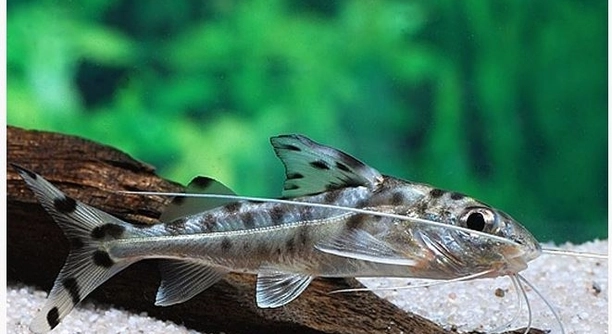
Owning a Pictus catfish can be a rewarding experience for many new fishkeepers. These lively fish add activity to a freshwater tank and are fairly hardy. However, beginners often make avoidable errors that affect the fish’s health and well-being.
Common mistakes new Pictus catfish owners make include improper tank size, incorrect water parameters, overfeeding, lack of hiding places, and mixing incompatible species. These errors can lead to stress, illness, or early death in the catfish, reducing their lifespan and enjoyment.
Recognizing these pitfalls early can help owners provide better care and create a healthier environment for their Pictus catfish to thrive.
Choosing the Wrong Tank Size
Many new Pictus catfish owners underestimate how much space these fish need. Although they are small, they are active swimmers and require plenty of room to move around. A tank smaller than 30 gallons will not provide enough space for them to thrive. Crowding can cause stress and aggressive behavior, which may lead to health problems. It’s important to remember that Pictus catfish grow up to 5 inches long and enjoy swimming near the bottom and middle levels of the tank. Providing enough space helps keep the water quality stable and gives the fish a more comfortable environment. This simple step can prevent many common issues seen with new owners who rush into setting up a small tank.
Starting with a properly sized tank is crucial for healthy Pictus catfish. Bigger is better for their well-being.
Adding enough space also allows you to add other peaceful fish, creating a balanced tank community that benefits all your aquatic pets.
Incorrect Water Conditions
Maintaining proper water conditions is essential for Pictus catfish health. These fish prefer slightly acidic to neutral pH levels, ideally between 6.5 and 7.5. Water temperature should be kept between 75 and 80 degrees Fahrenheit. Many new owners do not test water regularly or fail to cycle the tank before adding fish. Without a stable and clean environment, Pictus catfish become vulnerable to stress and disease.
Unstable water parameters can cause illness and shorten your fish’s life.
Regular water testing and partial water changes are simple but important steps to keep your tank healthy. Cycling the tank before introducing the fish establishes beneficial bacteria that break down harmful ammonia and nitrites. These routine care habits will help your catfish stay active and avoid health problems caused by poor water quality. Monitoring the water also helps prevent sudden changes that can shock sensitive fish. Overall, keeping water conditions steady creates a safer and more comfortable environment for your Pictus catfish.
Overfeeding the Catfish
Overfeeding is a common mistake that harms Pictus catfish. These fish have small stomachs and cannot handle large amounts of food at once. Excess food can pollute the tank and lead to poor water quality.
Feeding your Pictus catfish too much can cause obesity and digestive problems. Uneaten food breaks down and raises ammonia levels, stressing the fish. It’s best to feed small portions once or twice a day, only what the fish can eat within a few minutes. Using sinking pellets designed for bottom feeders helps the food reach them without wasting. Watching your fish eat also helps you adjust amounts properly. Overfeeding is often accidental but can be easily controlled with careful portioning and observation.
A proper feeding routine keeps your catfish healthy and the tank cleaner.
Lack of Hiding Spots
Pictus catfish are naturally shy and need places to hide to feel secure. Without enough hiding spots, they can become stressed and less active. Stress weakens their immune system and makes them prone to illness.
Adding caves, plants, and decorations creates a comfortable environment where your catfish can retreat when needed. Live or artificial plants work well, but make sure there’s enough open swimming space too. Hiding spots also reduce aggression from other fish, as the catfish have safe places to avoid conflict. Providing a varied tank layout mimics their natural habitat, encouraging natural behavior and reducing stress. Simple additions make a big difference in your Pictus catfish’s happiness and health.
Mixing Incompatible Tankmates
Choosing the wrong tankmates can cause problems for Pictus catfish. Aggressive or very large fish may stress or harm them. Peaceful, similarly sized species are a better fit.
Pictus catfish do well with tetras, rasboras, and other calm fish. Avoid fin-nippers or overly territorial species to keep the tank peaceful.
Neglecting Regular Tank Maintenance
Skipping water changes and filter cleaning leads to poor water quality. This quickly affects the health of Pictus catfish.
Consistent tank maintenance, including partial water changes every week, keeps the environment clean. A clean tank helps prevent disease and promotes healthy fish behavior.
Not Monitoring Fish Behavior
Changes in swimming, appetite, or appearance can signal health issues. Regular observation is important to catch problems early.
What is the ideal tank size for Pictus catfish?
The best tank size for Pictus catfish is at least 30 gallons. These fish grow up to 5 inches and need plenty of swimming space. A larger tank helps keep the water stable and reduces stress. Smaller tanks often cause cramped conditions and increase health risks.
How often should I feed my Pictus catfish?
Feeding once or twice a day is enough. Offer only what they can eat in 2 to 3 minutes to avoid leftover food. Overfeeding pollutes the water and harms your fish’s health. Sinking pellets or wafers designed for bottom feeders are best.
Can Pictus catfish live with other fish?
Yes, but choose peaceful tankmates of similar size. Tetras, rasboras, and peaceful gouramis usually work well. Avoid large or aggressive fish that may bully or harm your catfish.
What water parameters do Pictus catfish prefer?
They thrive in water with a pH between 6.5 and 7.5 and a temperature range of 75 to 80°F (24 to 27°C). Stable water quality is important. Regular testing and cycling the tank help maintain safe ammonia and nitrite levels.
Why does my Pictus catfish hide all the time?
Hiding is normal behavior for these shy fish. They feel safer with caves, plants, or decorations to retreat to. If hiding increases suddenly, it may signal stress, poor water quality, or illness.
How often should I change the water?
Weekly partial water changes of 20-30% are recommended. This keeps toxins low and the environment healthy. Avoid changing too much water at once, as sudden changes can stress your fish.
What signs show that my Pictus catfish is sick?
Look for lethargy, loss of appetite, unusual swimming patterns, or spots on the body. Rapid breathing or clamped fins are also warning signs. Early detection and water quality checks can prevent serious illness.
Do Pictus catfish need special lighting?
No special lighting is required. Moderate lighting that mimics a natural day-night cycle works well. Too much light can stress them, so providing shaded areas or hiding spots is helpful.
Can Pictus catfish live alone?
They can live alone but usually do better with others of their kind or peaceful tankmates. Being social helps reduce stress and encourages natural behavior.
What should I do if my Pictus catfish stops eating?
Check water conditions first. Poor water quality often causes loss of appetite. If water is fine, look for signs of illness. Try offering a variety of foods like sinking pellets or frozen bloodworms. If eating doesn’t improve, consult a vet or fish specialist.
Taking care of Pictus catfish can be simple when you know what to expect. These fish bring activity and charm to a freshwater tank, but they do need proper care to stay healthy. Understanding their needs, like tank size, water quality, feeding habits, and suitable tankmates, helps prevent common problems. Avoiding mistakes such as overfeeding or poor water maintenance makes a big difference in how well your catfish live. With the right setup, they can live comfortably and add life to your aquarium.
Many of the problems new owners face come from not knowing what Pictus catfish require. These fish prefer slightly acidic to neutral water and a tank that is at least 30 gallons. They also need hiding spots to feel safe and reduce stress. Overfeeding or mixing aggressive fish can cause health issues or stress your catfish. Regular water changes and monitoring the fish’s behavior help catch problems early. Being careful with these basics ensures a peaceful tank environment where your Pictus catfish can thrive.
Caring for any pet requires attention and patience, and Pictus catfish are no different. They show more natural behavior when their needs are met and the environment is stable. Taking the time to learn about their habits and tank requirements will pay off with healthier and happier fish. Remember, mistakes happen, but correcting them quickly can save your fish from harm. By following simple care guidelines, your Pictus catfish can live a long and active life, making your aquarium a pleasant space to enjoy.

Hello,
If you enjoy the content that we create, please consider saying a "Thank You!" by leaving a tip.
Every little bit helps us continue crafting quality advice that supports the health, happiness, and well-being of pets around the world, for pets of all shapes, sizes, and species.
We really appreciate the kindness and support that you show us!