
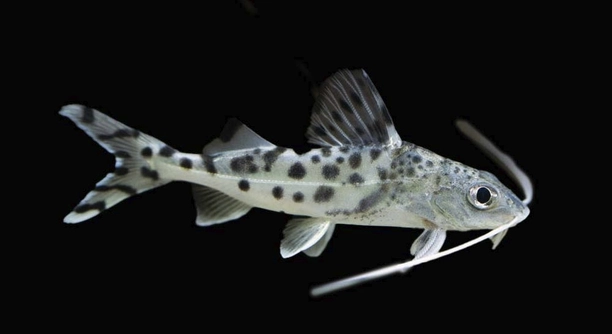
Pictus catfish are popular aquarium fish known for their active behavior and interesting habits. Many fish owners wonder about how these catfish respond to their environment, especially when it comes to feeding time. Understanding their senses can improve how we care for them.
Pictus catfish do recognize the sound of food being prepared or dropped in the tank. Studies show that they associate specific noises with feeding, demonstrating a learned response that helps them anticipate mealtime and react promptly to food presence.
Exploring how pictus catfish identify feeding cues can enhance aquarium management and strengthen the connection between owners and their fish. This knowledge supports better feeding routines and overall fish wellbeing.
How Pictus Catfish Use Their Hearing to Find Food
Pictus catfish rely heavily on their senses to navigate their environment, especially in low light conditions. Their hearing plays an important role in detecting vibrations and sounds around them. When food is dropped into the tank, the noise created is picked up by their sensitive ears. Over time, pictus catfish learn to associate specific sounds with feeding. This recognition helps them become more alert and active when they hear those noises. It also allows them to compete effectively with other fish during feeding times. Their hearing complements their other senses, such as smell and sight, to help them locate food quickly. This ability is a key factor in their survival both in the wild and in aquariums.
The catfish’s keen hearing is adapted to detect subtle changes in their environment, which benefits their feeding behavior and safety.
Learning about how pictus catfish use sound can help aquarium owners improve feeding practices and ensure the fish stay healthy and well-fed.
Training Your Pictus Catfish to Respond to Feeding Sounds
Pictus catfish can be conditioned to respond to specific feeding sounds, such as tapping on the tank or shaking a food container. Consistent repetition of these sounds before feeding builds an association in their minds. This conditioning works similarly to how pets learn to respond to their names or commands.
To start, make the chosen sound every time before you add food to the tank. Over a few weeks, your catfish will begin to swim towards the source of the sound in anticipation. This behavior indicates that they have learned to recognize the sound as a signal for food. It also creates a routine that makes feeding time more organized and less stressful for both you and the fish. In addition, this response can help you check on your catfish’s health, since a strong reaction usually means they are alert and active. By using simple sounds regularly, you strengthen your connection with your fish and improve their feeding habits. This approach benefits their overall well-being in captivity.
Common Sounds That Trigger Feeding Behavior
Pictus catfish respond to a few key sounds associated with feeding. These include the splash of water, tapping on the tank glass, and the rustling of food containers. Each noise signals the arrival of food, prompting the catfish to become active.
These sounds create vibrations in the water that pictus catfish detect using their lateral line system. The splash of food hitting the water surface alerts them immediately. Tapping the glass mimics noises they might hear in their natural habitat, which also draws their attention. The rustling of food containers becomes a learned cue after repeated exposure. Together, these noises help catfish quickly recognize feeding times, making them more responsive and engaged during mealtime.
Repeated use of these sounds encourages pictus catfish to associate specific noises with feeding, helping owners manage feeding more efficiently. It also reduces stress by providing a predictable routine.
How Environment Affects Sound Recognition
The environment inside the tank influences how well pictus catfish recognize feeding sounds. Factors like water quality, tank size, and background noise can impact sound transmission. Clear water allows sounds and vibrations to travel better, improving the catfish’s ability to detect them. In contrast, dirty or heavily planted tanks may dampen sound waves, making it harder for catfish to hear feeding cues.
Larger tanks can cause sounds to spread out and lose intensity before reaching the fish, so owners may need to use louder or more distinct sounds. Background noise from filters, air pumps, or other fish activity can also interfere with sound recognition. Minimizing unnecessary noise helps pictus catfish focus on feeding signals. Creating a calm environment benefits their overall behavior and feeding habits.
Adjusting the tank setup with sound recognition in mind ensures pictus catfish respond better to feeding times and stay healthier.
Signs Your Pictus Catfish Recognizes Feeding Sounds
When pictus catfish hear feeding sounds, they often swim quickly toward the water surface. Increased activity and alertness are common signs. They may also hover near the sound source, expecting food to arrive shortly.
These behaviors show that pictus catfish have learned to associate specific noises with mealtime. Their reaction time improves as they recognize familiar feeding cues. This response helps owners know their fish are healthy and engaged.
Impact of Irregular Feeding Sounds on Catfish Behavior
Inconsistent or irregular feeding sounds can confuse pictus catfish, causing stress or reduced feeding response. Without a predictable routine, the fish may become less active during feeding times or miss meals. Maintaining regular feeding cues is important to keep them responsive and healthy.
Using Sound Cues to Improve Feeding Routine
Using clear and consistent sound cues before feeding helps establish a reliable routine. This method can reduce competition among tank mates and ensure all fish receive food efficiently. Consistency also strengthens the bond between owner and fish over time.
Common Mistakes When Using Sound Cues
Using too loud or random sounds can startle pictus catfish, causing anxiety or avoidance. It’s important to use gentle, consistent noises that the fish can easily associate with feeding.
Can Pictus Catfish Hear Sounds Clearly?
Pictus catfish have a well-developed sense of hearing that allows them to detect vibrations and sounds in the water. Their ears and lateral line system work together to sense changes around them. However, their hearing is adapted for underwater sounds rather than airborne noises. Sounds made inside the water, like food dropping or tank tapping, are easier for them to hear and recognize.
How Do Pictus Catfish Use Their Other Senses Alongside Hearing?
Besides hearing, pictus catfish rely on their sense of smell and their lateral line to navigate and find food. Their smell helps them detect chemical signals in the water, which often leads them to food sources. The lateral line senses vibrations and movement around them, helping them react quickly. Together, these senses create a full picture that guides their behavior during feeding and exploration.
Can Pictus Catfish Be Trained to Respond to Specific Sounds?
Yes, pictus catfish can be conditioned to respond to specific sounds. By consistently making the same sound before feeding, they learn to associate it with mealtime. Over time, they start swimming toward the sound, showing anticipation. This kind of simple training makes feeding easier and can improve their interaction with their environment.
What Are Some Sounds That Should Be Avoided?
Loud or sudden noises that are not related to feeding can stress pictus catfish. Sounds like banging on the tank or loud clapping may startle them and cause anxiety. It’s best to use gentle, consistent noises that the fish can associate positively with food. Avoid random or harsh sounds to keep their environment calm.
Does Tank Size Affect Their Ability to Hear Feeding Sounds?
Tank size can influence how well feeding sounds are heard by pictus catfish. In larger tanks, sounds may dissipate and become harder for fish to detect. This means owners might need to use clearer or louder sounds to get their attention. Smaller tanks naturally carry sound better, making it easier for catfish to recognize feeding cues.
How Important Is Water Quality for Sound Transmission?
Water quality plays a significant role in how well sounds travel in the tank. Clear water allows sound waves and vibrations to move freely, making it easier for pictus catfish to detect feeding noises. Dirty or murky water can muffle these sounds, reducing the fish’s ability to recognize cues. Keeping water clean supports better communication with the fish.
Can Other Fish Affect Pictus Catfish’s Response to Feeding Sounds?
Other fish in the tank may create background noise or compete for attention during feeding times. This can sometimes confuse pictus catfish or reduce their response to feeding sounds. Minimizing excessive noise from tank equipment and managing fish behavior can help pictus catfish stay focused on feeding cues.
Is It Normal for Pictus Catfish to Miss Feeding Cues Sometimes?
Yes, it’s normal. Like many animals, pictus catfish can have off days when they don’t react immediately to feeding sounds. Factors like stress, illness, or changes in the tank environment can affect their behavior. Regular care and maintaining a stable routine help reduce these occurrences.
How Can I Make Feeding Times More Effective Using Sound?
Consistency is key. Using the same gentle sound before every feeding creates a predictable routine. This trains pictus catfish to recognize and react quickly. Pairing the sound with timely feeding helps reinforce this behavior. Over time, feeding becomes smoother, and fish stay healthier and more active.
What Should I Do If My Pictus Catfish Doesn’t Respond to Feeding Sounds?
If your catfish doesn’t respond, check the tank environment first. Ensure water quality is good, noise levels are low, and feeding times are regular. Try using a different, clearer sound. If lack of response continues, the fish might be stressed or unwell. Observing their overall behavior and health can provide clues to address the issue.
Pictus catfish are interesting fish that can recognize the sounds associated with feeding. Their hearing is sensitive to vibrations and noises in the water, which helps them know when food is arriving. By paying attention to these sounds, pictus catfish can become more active and ready to eat, making feeding times smoother for both the fish and the owner. Understanding how they respond to sound can help improve their care and overall well-being.
Using consistent and gentle sound cues before feeding can train pictus catfish to recognize mealtime signals. This simple practice creates a routine that the fish can rely on, which reduces stress and encourages them to eat regularly. It also allows owners to connect better with their fish, as the catfish start responding to familiar noises. Maintaining a calm tank environment and clear water helps sounds travel better, so the fish can pick up on feeding signals more easily. These small adjustments can make a big difference in how pictus catfish behave.
Finally, keeping an eye on your pictus catfish’s reactions to feeding sounds can give clues about their health and comfort. If they become less responsive or seem stressed, it may be time to check their tank conditions or feeding routine. A steady and predictable schedule combined with a quiet environment supports their natural behaviors. By respecting how pictus catfish use sound and other senses, owners can create a better home for them and enjoy watching their lively and responsive behavior during feeding time.

Hello,
If you enjoy the content that we create, please consider saying a "Thank You!" by leaving a tip.
Every little bit helps us continue crafting quality advice that supports the health, happiness, and well-being of pets around the world, for pets of all shapes, sizes, and species.
We really appreciate the kindness and support that you show us!