
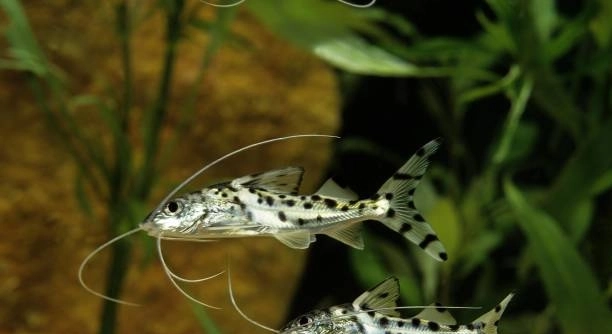
Are your Pictus catfish spending more time digging in the tank than usual? This behavior can catch the attention of many aquarium enthusiasts who want to understand their pet’s actions. Observing these changes helps ensure your fish stays healthy and comfortable.
Pictus catfish increase digging behavior for several reasons including environmental changes, searching for food, territorial instincts, stress, water quality issues, breeding preparation, and natural curiosity. These factors often affect their digging frequency and intensity.
Recognizing the causes behind this behavior can improve your aquarium care and your fish’s well-being. The following explanations offer clear insights into why your catfish might be digging more often.
Environmental Changes
Pictus catfish are very sensitive to changes in their surroundings. When the tank environment shifts—whether due to a change in lighting, water temperature, or decoration—these fish may dig more frequently. Digging helps them adjust to the new setting by exploring and feeling secure. Sudden rearrangement of plants or substrate can stress them, prompting this behavior as a coping mechanism. They use digging to find comfortable hiding spots or areas with better shelter. Even subtle changes, such as new tank mates or shifts in water flow, may cause increased digging. Maintaining a stable environment reduces their stress and limits excessive digging. Consistency in tank setup helps Pictus catfish feel safe and settled, preventing frequent disturbances.
When the tank environment is stable, digging tends to decrease naturally as fish feel more at ease and less need to explore or secure territory.
Paying close attention to changes in your aquarium can help you spot what might trigger your catfish’s digging. This also guides you in creating a calm and stable habitat for them to thrive in.
Searching for Food
Pictus catfish often dig to search for food hidden beneath the substrate. These fish are natural bottom feeders and rely on sifting through gravel or sand to find small bits of uneaten food, insect larvae, or detritus. If the feeding schedule or diet changes, they may dig more to compensate. Uneven feeding or leftover food trapped in the substrate encourages more digging as they try to access it. Ensuring that food reaches the bottom helps reduce excessive digging caused by hunger or food searching. They can also dig to uncover newly introduced live or frozen foods that may have settled on the substrate.
Digging for food is normal but can become excessive if they are not fed properly or if there is leftover food stuck in the tank floor.
If you notice your Pictus catfish digging more, evaluate their diet and feeding routine. Feeding smaller amounts more frequently or using sinking pellets can help. Cleaning the substrate regularly removes trapped food and reduces unnecessary digging. This approach ensures your catfish gets the nutrition they need without overworking themselves searching for food. Adjusting feeding habits also benefits the overall cleanliness of the aquarium.
Territorial Instincts
Pictus catfish are territorial by nature and may dig to mark or defend their space in the tank. This behavior increases when new fish are introduced or if the tank is overcrowded. Digging helps them establish boundaries and feel more secure in their environment.
When Pictus catfish feel threatened or challenged, they dig to create hiding spots or to push away intruders. This territorial digging often involves moving substrate to signal ownership of a particular area. They may become more aggressive or restless during this time, especially around feeding or resting places. Tank size and layout influence how much they feel the need to defend space, so providing enough room and hiding places helps reduce this digging.
Managing tank population and providing adequate shelters can ease territorial stress. Proper spacing allows your catfish to claim areas without constant digging or conflict.
Stress and Anxiety
Stress in Pictus catfish often leads to increased digging as a coping mechanism. Causes include poor water quality, sudden changes in tank conditions, or aggressive tank mates. Digging helps them feel safer by creating secure spots or distraction from stressors.
Prolonged stress affects their health, making it important to identify and remove stress factors promptly. Checking water parameters, avoiding sudden changes, and ensuring peaceful tankmates can significantly reduce anxiety-induced digging. Providing ample hiding spots and maintaining a calm environment lowers stress levels and keeps digging behaviors within normal limits. Stress management directly improves your fish’s overall well-being and comfort.
Regular monitoring and proper tank maintenance help keep stress low and reduce digging caused by anxiety or discomfort.
Water Quality Issues
Poor water quality can cause Pictus catfish to dig more often as they try to escape uncomfortable conditions. High levels of ammonia, nitrites, or nitrates stress the fish and lead to restless behavior, including excessive digging.
Regular testing and water changes help maintain clean water. Keeping parameters stable reduces stress and limits digging caused by poor water quality.
Breeding Preparation
Before spawning, Pictus catfish dig to prepare nesting sites. This behavior is instinctive and helps create safe spaces for eggs and fry. They may move substrate around more frequently as part of this natural process.
Breeding behavior often includes digging combined with increased activity and protective instincts. Observing these signs can indicate your catfish are preparing to breed.
Natural Curiosity
Pictus catfish dig simply because they are curious and enjoy exploring their environment. This digging is a way to interact with the substrate and discover potential food or hiding spots.
This behavior is normal and healthy when kept within reasonable limits. Providing enrichment reduces boredom and encourages natural digging.
Why is my Pictus catfish digging more than usual?
Pictus catfish dig more often due to several factors like environmental changes, searching for food, stress, territorial behavior, or breeding preparation. Changes in tank setup, water quality issues, or the presence of new tank mates can increase their digging activity. It is their way of adapting, feeling secure, or exploring.
Is digging harmful to my aquarium?
Digging itself is not harmful if it stays within normal limits. However, excessive digging may disturb plants, decorations, or substrate, potentially causing cloudiness or uprooting. It can also indicate underlying problems like poor water quality or stress that need to be addressed for the fish’s health.
How can I reduce excessive digging in my Pictus catfish?
Maintaining stable water conditions and a consistent tank environment reduces stress-related digging. Feeding properly with sinking foods prevents digging caused by hunger. Providing enough space and hiding places helps with territorial issues. Regular substrate cleaning and avoiding sudden changes also keep digging normal.
Does the type of substrate affect digging behavior?
Yes, Pictus catfish prefer soft, sandy substrates that are easy to sift through. Rough or sharp gravel may discourage digging or cause injury. Using fine sand or smooth gravel mimics their natural habitat and supports healthy digging habits.
Can digging be a sign of illness?
While digging is often normal behavior, sudden increases or frantic digging can signal illness or discomfort. Parasites, infections, or poor water quality might cause agitation. Monitor your fish for other symptoms like loss of appetite, lethargy, or abnormal swimming and test water parameters.
Do Pictus catfish dig more at certain times of the day?
They tend to dig more during active periods, often around feeding time or when tank lights are on. Digging can be part of their natural routine to find food or explore. Increased activity may also happen if they are preparing a nest during breeding season.
Can tank mates influence digging behavior?
Yes, aggressive or territorial tank mates may stress Pictus catfish, causing more digging as a defense mechanism. Similarly, overcrowding increases competition for space and resources, leading to more frequent digging. Choosing compatible fish and providing enough room reduces stress-driven digging.
Is digging related to breeding?
During breeding, Pictus catfish dig to create suitable sites for laying eggs. This behavior is more intense and focused in certain areas of the tank. Other signs include increased activity, chasing, and protective behavior around chosen spots.
Should I rearrange the tank if my catfish are digging a lot?
Sudden rearrangement can increase digging due to stress and exploration. If digging is excessive, consider gradual changes and observe if behavior improves. Adding more hiding places or adjusting substrate may help. Avoid frequent or drastic tank modifications.
How often should I clean the substrate to manage digging?
Regular substrate cleaning removes trapped food and waste that encourage digging. Weekly or biweekly siphoning is generally sufficient, depending on tank size and fish load. Overcleaning can disrupt beneficial bacteria, so balance is important to maintain a healthy environment.
Can feeding routines affect digging?
Inconsistent feeding or insufficient food causes Pictus catfish to dig more while searching for nourishment. Feeding small amounts multiple times daily or using sinking pellets ensures food reaches the bottom, reducing the need for excessive digging.
Are there specific decorations that reduce digging?
Smooth rocks, driftwood, and live plants provide shelter and break up open substrate, reducing digging areas. Plants especially offer hiding spots and natural cover, which help Pictus catfish feel secure and less likely to dig continuously. Avoid sharp or unstable decorations.
Does water temperature impact digging behavior?
Water temperature outside the ideal range (around 75-81°F) stresses Pictus catfish, which can increase digging as they try to find comfortable areas. Keeping temperature stable within their preferred range promotes calm behavior and reduces excessive digging.
Can digging damage plants in the aquarium?
Yes, frequent digging can uproot or damage delicate plants. Choosing hardy plants with strong roots or using plant anchors can minimize this. Separating planting areas from high-digging zones may also protect vegetation while allowing natural behavior.
Is digging more common in younger or older Pictus catfish?
Younger catfish tend to dig more as they explore and establish territory. Older fish may dig less but still engage in substrate interaction. Monitoring changes over time helps identify if digging is normal or a sign of stress or health issues.
How can I tell if my catfish’s digging is normal or problematic?
Normal digging is steady and purposeful, usually related to feeding or exploration. Problematic digging is frantic, constant, or destructive and often linked to stress, illness, or poor tank conditions. Observing overall behavior and tank environment helps determine the cause.
Does lighting affect digging behavior?
Bright or inconsistent lighting can stress Pictus catfish, leading to more digging. Providing shaded areas or adjusting light intensity to mimic natural conditions encourages calmness and reduces unnecessary substrate disturbance.
Can digging be a sign of boredom?
Yes, lack of stimulation can cause Pictus catfish to dig more out of boredom. Adding enrichment like plants, hiding spots, and varied substrate textures keeps them engaged and reduces digging caused by inactivity.
Is it safe to add more substrate to reduce digging?
Adding substrate may provide more area to dig, but too much can trap waste and complicate cleaning. A moderate amount of suitable substrate supports natural behavior without increasing maintenance burdens or water quality problems.
How long does digging behavior last during breeding?
Breeding-related digging usually lasts several days to weeks, depending on the fish and environmental conditions. After spawning, digging generally decreases as the eggs hatch and fry develop, returning to normal activity levels.
Understanding why your Pictus catfish is digging more often can help you provide better care for your fish. Digging is a natural behavior influenced by many factors such as environmental changes, food searching, territorial instincts, stress, and breeding preparation. Recognizing these reasons allows you to address any underlying issues that might be causing your catfish to dig excessively. When you keep the tank stable and meet your fish’s needs, digging behavior usually becomes normal and less disruptive.
Maintaining good water quality is essential to reduce stress and support the overall health of your Pictus catfish. Regular testing and water changes prevent buildup of harmful substances that can make your fish uncomfortable. Feeding your catfish a balanced diet with appropriate food types and schedules also helps control digging caused by hunger or searching for leftovers. Providing enough space, hiding spots, and compatible tank mates reduces territorial digging and keeps your fish calm. A well-planned aquarium setup limits unnecessary digging while allowing your catfish to express their natural behavior.
It is important to observe your Pictus catfish carefully and note any changes in their digging habits. Occasional digging is normal and healthy, but excessive or frantic digging may signal problems such as poor water conditions, stress, or illness. Making gradual adjustments to the tank environment and keeping the habitat consistent can improve your catfish’s comfort. With the right care and attention, your Pictus catfish will be more relaxed, and digging will remain a natural, balanced part of their behavior in the aquarium.

Hello,
If you enjoy the content that we create, please consider saying a "Thank You!" by leaving a tip.
Every little bit helps us continue crafting quality advice that supports the health, happiness, and well-being of pets around the world, for pets of all shapes, sizes, and species.
We really appreciate the kindness and support that you show us!