
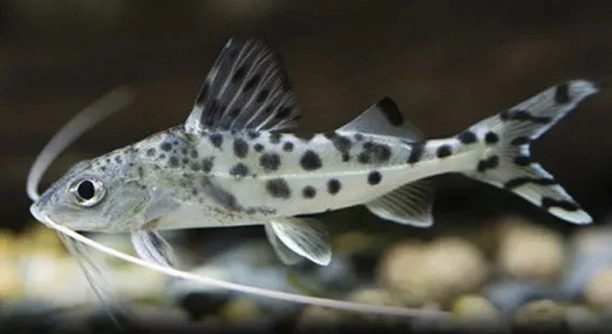
Many fishkeepers enjoy adding unique species to their aquariums, and Pictus catfish are often a popular choice. These active, spotted fish are known for their striking appearance and lively behavior in community tanks. Understanding their needs is important for a successful aquarium setup.
Pictus catfish can be kept in schools, as they are social fish that thrive better in groups of at least five or more. Schooling helps reduce stress and encourages natural behavior, contributing to healthier and more active fish in a community tank.
Learning how to care for Pictus catfish in groups can improve your aquarium’s environment and create a more balanced and engaging display.
Why Pictus Catfish Prefer Schooling
Pictus catfish are naturally social creatures that live in groups in their natural habitat. When kept alone, they can become shy and stressed, which affects their health and behavior. In a school, they feel safer and more confident, which allows them to explore their environment actively. Their schooling also helps distribute any potential aggression or stress among the group rather than focusing on a single fish. Because they are bottom dwellers, having multiple Pictus catfish moving together brings life and movement to the lower part of the tank, making the whole aquarium more dynamic. It’s important to provide enough space and hiding spots to accommodate a group so they don’t feel crowded. A small school of about five or six individuals tends to balance well with other peaceful fish, creating a calm and natural aquarium environment. Proper care and observation will help them thrive in schools.
Schooling reduces stress and helps Pictus catfish display natural behavior, improving their overall wellbeing in the aquarium.
By understanding their social needs, you can create a healthier and more active environment for your Pictus catfish. This improves their interactions and helps them avoid behavioral problems. It also adds interest to the tank, as watching a group of these fish swim and forage together is enjoyable. Selecting the right tank size and compatible tank mates is essential. Small tanks or aggressive fish can make schooling difficult and stressful for Pictus catfish. Additionally, good water quality and proper feeding support their health. When these conditions are met, keeping Pictus catfish in schools becomes a rewarding experience that benefits both the fish and the aquarium keeper.
Tank Setup for Schooling Pictus Catfish
A tank of at least 30 gallons is recommended to keep a small school of Pictus catfish comfortably. This size provides enough swimming space and helps maintain stable water conditions. They prefer a soft, sandy substrate that mimics their natural riverbed environment, as it protects their delicate barbels. Adding plenty of hiding spots such as plants, driftwood, and caves will make them feel secure and reduce stress. These fish are nocturnal, so low to moderate lighting is best. Keep the tank well-filtered with gentle water flow to avoid stressing the fish. Regular water changes and stable water parameters support their health, especially in a community tank. A balanced diet including sinking pellets and live or frozen foods will keep them active and vibrant.
Providing a proper tank environment ensures Pictus catfish schools stay healthy and comfortable, encouraging natural behavior and reducing stress.
Compatible Tank Mates for Pictus Catfish
Pictus catfish do well with peaceful, medium-sized fish that won’t nip their fins or compete aggressively for food. Avoid large or overly aggressive species. Good companions include tetras, gouramis, and rasboras.
Choosing tank mates that share similar water requirements helps maintain a stable environment. Aggressive or territorial fish can stress Pictus catfish, leading to health issues or hiding behavior. Schooling fish with calm temperaments create a balanced community where each species can thrive. Avoid slow-moving fish that may become targets of the Pictus catfish’s active swimming. Also, bottom dwellers like Corydoras catfish make good tank mates, as they occupy slightly different areas of the tank. Maintaining a peaceful tank dynamic is essential for the well-being of all inhabitants. Proper research on each species’ needs and behavior is key to avoiding conflicts in the aquarium.
Feeding is easier when compatible tank mates share similar dietary preferences. Pictus catfish mainly eat sinking pellets, live, or frozen foods, so companions with similar diets reduce competition. This setup allows all fish to receive adequate nutrition without stress or aggression. When all species get along, the aquarium environment becomes healthier and more vibrant.
Feeding and Care Tips
Pictus catfish need a varied diet that includes sinking pellets and occasional live or frozen foods like bloodworms and brine shrimp. Feeding twice daily in small amounts works best.
They are nocturnal feeders, so offering food in the evening mimics their natural habits and encourages active foraging. Overfeeding can lead to poor water quality and health problems, so measure food carefully. Their barbels are sensitive, so avoid sharp or rough substrate that could cause injury while they search for food. Keeping the tank clean and maintaining good water quality are crucial to their health. Regular water changes and stable temperature help prevent stress and disease. Observing their behavior during feeding times can help detect health or social issues early.
In addition to diet, maintaining a calm environment is important. Stress from aggressive tank mates or sudden changes in water conditions can harm their health. A steady routine of feeding, cleaning, and monitoring will ensure your Pictus catfish remain lively and healthy within their school.
Common Health Issues
Pictus catfish are generally hardy but can suffer from common freshwater fish diseases like ich and fin rot. Maintaining clean water and stable conditions helps prevent these problems.
Injuries to their barbels can occur if the tank substrate is too rough or sharp. Using soft sand helps protect these sensitive areas. Monitoring their behavior and appearance regularly can catch health issues early.
Breeding Pictus Catfish
Breeding Pictus catfish in home aquariums is challenging due to their specific requirements and the need for a large tank. They require slightly acidic, soft water and well-planted spaces. Spawning usually happens in groups, with the female scattering eggs on flat surfaces. Providing hiding places for fry increases survival chances.
Tank Maintenance Tips
Regular water changes and substrate cleaning are essential to keep the tank healthy for Pictus catfish. Consistent monitoring of water parameters supports their wellbeing.
Can Pictus Catfish Be Kept Alone?
Pictus catfish are social fish and prefer living in groups. Keeping one alone can lead to stress and shy behavior. They feel safer and more comfortable when in schools of at least five individuals. While they can survive alone, their natural behavior and overall health improve significantly in groups.
How Large Should the School Be?
A minimum of five Pictus catfish is recommended for schooling. Smaller groups may not provide enough social interaction, leading to stress or aggression. Larger schools, around six to eight, encourage natural schooling behavior and make the fish feel secure.
What Tank Size Is Best for Pictus Catfish?
A tank of at least 30 gallons is suitable for a small school of Pictus catfish. This size gives enough swimming space and helps keep water quality stable. Larger tanks are better if you want to keep more fish or add other species.
What Are Ideal Water Conditions?
Pictus catfish prefer slightly acidic to neutral water with a pH between 6.5 and 7.5. Temperature should be kept between 75°F and 81°F (24°C to 27°C). Stable water parameters with good filtration are key to preventing stress and disease.
What Do Pictus Catfish Eat?
They eat sinking pellets designed for carnivorous fish, plus live or frozen foods like bloodworms, brine shrimp, and daphnia. A varied diet helps maintain their health and activity levels. Feeding small amounts twice a day is best to avoid overfeeding.
Are Pictus Catfish Aggressive?
Pictus catfish are generally peaceful but can be active and fast swimmers. They may chase smaller fish but rarely show true aggression. They do best with calm, medium-sized tank mates that won’t harass them or compete aggressively for food.
How Do You Care for Pictus Catfish Barbels?
Their barbels are sensitive and prone to injury. Using soft sand instead of rough gravel reduces damage. Keeping water clean and free from harmful chemicals also helps prevent infections. Watch for signs of barbel damage like fraying or discoloration.
Can Pictus Catfish Live with Other Bottom Dwellers?
Yes, they can live peacefully with other bottom dwellers like Corydoras catfish. Since Corydoras tend to be slower and smaller, they don’t compete much with Pictus catfish, who are more active and prefer slightly different areas of the tank.
How Often Should You Change Water for Pictus Catfish?
Weekly water changes of 20-30% are ideal to keep water clean and parameters stable. Regular changes prevent buildup of harmful chemicals and support the health of both Pictus catfish and their tank mates.
What Signs Indicate Stress in Pictus Catfish?
Signs include hiding constantly, loss of appetite, clamped fins, or erratic swimming. Stress can come from poor water quality, aggressive tank mates, or overcrowding. Early detection and fixing these problems are important to keep them healthy.
Are Pictus Catfish Nocturnal?
Yes, Pictus catfish are mostly nocturnal and are more active during the night. They may hide during the day and become lively after lights go off. Feeding in the evening matches their natural feeding habits.
Is It Difficult to Breed Pictus Catfish?
Breeding Pictus catfish is difficult and rare in home aquariums. They require specific water conditions, a large tank, and proper hiding spaces for spawning. Most hobbyists keep them as pets rather than breeding them.
What Are the Best Tank Decorations for Pictus Catfish?
They prefer a tank with plenty of hiding spots, such as driftwood, caves, and live plants. These provide shelter and reduce stress. Soft substrates like sand protect their barbels and allow natural foraging behavior.
Can Pictus Catfish Jump Out of Tanks?
Yes, they are known to jump, especially if stressed or water conditions are poor. It’s important to keep a secure lid on the tank to prevent escapes and injuries.
What Should You Do If a Pictus Catfish Shows Signs of Illness?
Check water parameters first and perform a partial water change. Look for external signs like spots, frayed fins, or abnormal swimming. Quarantine sick fish if possible and consult a specialist for treatment options.
Do Pictus Catfish Need Special Lighting?
They prefer low to moderate lighting since they are nocturnal and sensitive to bright light. Strong lighting can stress them and make them hide more. Using floating plants can help diffuse light.
How Long Do Pictus Catfish Usually Live?
With proper care, they can live 8 to 10 years in home aquariums. Maintaining good water quality, a proper diet, and a peaceful environment contributes to their longevity.
Can Pictus Catfish Coexist with Aggressive Fish?
It’s not recommended. Aggressive fish may bully or injure Pictus catfish. They do best with peaceful community fish that allow them to school and forage without threat.
Are Pictus Catfish Sensitive to Water Changes?
They can be sensitive to sudden water changes or poor water quality. It’s best to make changes gradually and keep parameters stable to avoid shock or stress.
What Is the Best Way to Introduce Pictus Catfish to a New Tank?
Acclimate them slowly using a drip method to match water temperature and chemistry. Introduce them to a fully cycled tank with suitable tank mates to reduce stress and help them settle quickly.
Keeping Pictus catfish in schools is generally a good idea because these fish naturally live and swim in groups. When they are kept together, they show more natural behavior, stay more active, and tend to be healthier overall. A small group of five or more fish helps reduce stress, which is important for their well-being. Alone, Pictus catfish can become shy or hide a lot, but in a group, they feel safer and more comfortable. This makes the aquarium look livelier and gives the fish a better quality of life.
To keep Pictus catfish happy in a school, it is important to provide enough space and the right environment. A tank of at least 30 gallons works well for a small group. The tank should have soft sand as a substrate because their barbels (the whisker-like feelers) are delicate and can get damaged by rough gravel. Including plenty of hiding spots, like plants and driftwood, helps the fish feel secure. Water quality should be stable, with a pH between 6.5 and 7.5 and a temperature of 75 to 81 degrees Fahrenheit. Keeping the tank clean and performing regular water changes also helps prevent health problems.
Feeding Pictus catfish in a school is easier when they have a balanced diet and compatible tank mates. They mainly eat sinking pellets but also enjoy live or frozen foods like bloodworms or brine shrimp. Feeding small amounts twice a day helps prevent overfeeding and keeps the water clean. Choosing peaceful tank mates with similar care needs reduces stress and aggression in the aquarium. Overall, watching a group of Pictus catfish interact and swim together can be very rewarding. Proper care and attention to their social needs make them a great addition to a community tank.

Hello,
If you enjoy the content that we create, please consider saying a "Thank You!" by leaving a tip.
Every little bit helps us continue crafting quality advice that supports the health, happiness, and well-being of pets around the world, for pets of all shapes, sizes, and species.
We really appreciate the kindness and support that you show us!