
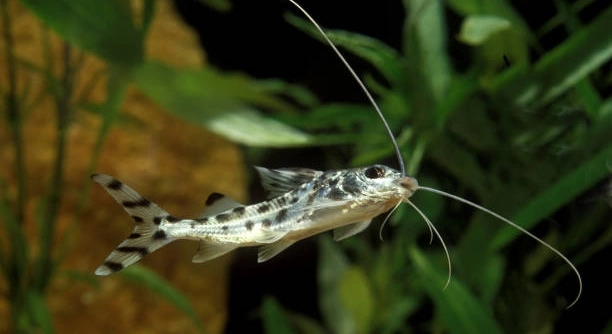
Are you caring for Pictus Catfish and wondering about their water needs? These fish are popular for home aquariums because of their lively nature and striking appearance. Knowing the right water conditions helps keep them healthy and happy.
Pictus Catfish show moderate sensitivity to water hardness. They thrive best in soft to moderately hard water, with hardness levels ranging from 5 to 15 dGH. Extreme hardness or softness can stress these fish, affecting their health and behavior.
Understanding how water hardness impacts your Pictus Catfish can improve their well-being and prevent common health problems. This guide will help you create a better environment for these lively swimmers.
What Is Water Hardness and Why It Matters
Water hardness refers to the amount of dissolved minerals, mainly calcium and magnesium, present in the water. These minerals affect the chemistry of the tank and the health of fish. Pictus Catfish come from rivers and streams where the water is usually soft to moderately hard. When the water is too hard or too soft, it can cause stress and weaken their immune system. This may lead to poor growth, disease, or even death. Testing your tank’s water hardness regularly helps ensure it stays within a healthy range. If the water hardness is off, you can adjust it by using water conditioners or mixing tap water with purified water. Keeping a stable environment is important since sudden changes can harm your Pictus Catfish more than consistent conditions that may not be perfect.
Proper water hardness keeps your catfish comfortable and active in their tank.
Balancing water hardness involves understanding your local water supply and making small adjustments. Using test kits to monitor the dGH levels allows you to maintain the ideal range of 5 to 15 dGH. If the water is too hard, adding peat moss or reverse osmosis water can help lower the hardness. If it’s too soft, minerals can be added carefully. Making gradual changes avoids shocking the fish. This way, you keep their environment stable, which supports their health and natural behavior.
Signs Pictus Catfish Show When Water Hardness Is Wrong
When water hardness is not right, Pictus Catfish often display signs of stress that are easy to notice. They may become less active, hide more, or lose their appetite. Their colors might also dull, and they could develop spots or other health issues. These signs indicate the fish are uncomfortable and need better water conditions.
To help your Pictus Catfish stay healthy, watch for changes in behavior or appearance related to water hardness. Adjust the hardness gradually and keep monitoring to prevent future problems. Proper water care supports their natural lively nature and longevity.
How to Test Water Hardness at Home
Testing water hardness is simple and requires only a test kit, which is widely available. These kits measure the concentration of minerals like calcium and magnesium in your tank water. Regular testing helps maintain a healthy environment for your Pictus Catfish.
Using a water hardness test kit involves dipping a test strip or adding liquid reagent to a water sample. After a few minutes, the color change indicates the hardness level, which you compare against the chart provided. Digital testers also offer precise readings. Testing once a week is a good routine, especially if you perform frequent water changes or add new fish.
If you find the hardness is outside the ideal range, take action by adjusting the water. For high hardness, dilute the tank water with softened or distilled water. For low hardness, adding aquarium-safe mineral supplements can help. Keeping a log of your test results can track changes over time, ensuring your catfish stay in good health.
Adjusting Water Hardness Safely
Adjusting water hardness should be done slowly to avoid shocking your Pictus Catfish. Sudden changes can cause stress and make them prone to illness. Small adjustments over several days or weeks allow the fish to adapt comfortably.
To lower hardness, use reverse osmosis water or add peat moss to your filter, which naturally reduces mineral content. To raise hardness, aquarium mineral additives or crushed coral in your filter can slowly increase mineral levels. Avoid using household chemicals or untested products, as they can harm your fish. Regularly monitor water hardness and other parameters to keep conditions stable and safe. Maintaining balanced water hardness improves your catfish’s immune response and helps them thrive longer in your care.
Ideal Water Parameters for Pictus Catfish
Pictus Catfish prefer soft to moderately hard water, with a hardness level between 5 and 15 dGH. Maintaining stable temperature and pH levels is also important for their health.
The ideal temperature range is 75 to 80°F (24 to 27°C), and the pH should stay between 6.5 and 7.5. Keeping these parameters steady supports their immune system and natural behavior, helping them stay active and stress-free in your aquarium.
Effects of Hard Water on Pictus Catfish
Hard water can cause stress and health issues for Pictus Catfish. It may lead to difficulty in breathing and impact their growth. High mineral content can also affect water clarity and filtration efficiency.
Effects of Soft Water on Pictus Catfish
Water that is too soft lacks essential minerals, which can weaken Pictus Catfish’s bones and overall health. It can also cause them to be more vulnerable to diseases.
FAQ
Are Pictus Catfish okay in tap water with high hardness?
Pictus Catfish can tolerate moderately hard water, but very high hardness in tap water may cause stress over time. If your tap water’s hardness exceeds 15 dGH, it’s best to dilute it with purified or reverse osmosis water to keep the levels in a safer range. Testing your water before adding fish will help avoid health problems.
How often should I test the water hardness in my aquarium?
Testing water hardness once a week is a good routine, especially if you perform regular water changes or add new fish. Frequent testing helps detect any sudden changes that could harm your Pictus Catfish. Keeping a log can help you track patterns and adjust care accordingly.
Can water hardness affect breeding in Pictus Catfish?
Yes, water hardness influences breeding success. Pictus Catfish prefer softer water for spawning, usually around 5 to 10 dGH. Hard water may reduce egg fertilization rates and cause stress to both adults and fry. Maintaining ideal water hardness improves chances for successful breeding.
What is the best way to lower water hardness safely?
Using reverse osmosis (RO) water is the safest and most effective way to lower hardness. You can mix RO water with tap water to reach the desired level. Adding peat moss to your filter is another natural method that gradually softens the water. Avoid harsh chemicals, as they can be harmful.
Can Pictus Catfish survive sudden changes in water hardness?
Sudden changes in water hardness can shock Pictus Catfish and cause stress or illness. It’s important to adjust hardness slowly, over several days or weeks, allowing the fish to adapt. Quick changes disrupt their natural balance and weaken their immune system.
Is it necessary to adjust water hardness if my Pictus Catfish seem fine?
Even if your fish appear healthy, maintaining appropriate water hardness ensures long-term health and reduces the risk of hidden stress. Subtle problems may not be visible immediately but can cause issues over time. Regular water testing and gradual adjustments help prevent future complications.
Does water hardness impact the tank’s plants as well?
Yes, water hardness affects plant growth and nutrient absorption. Many aquatic plants prefer soft to moderately hard water. If hardness is too high, some plants may struggle to absorb essential nutrients, affecting their health and appearance. Balancing hardness benefits both fish and plants.
Can I use bottled water for Pictus Catfish?
Bottled water varies widely in mineral content, so it’s important to check the label. Some bottled waters have high hardness or additives that may not be suitable. If you use bottled water, test and adjust its hardness before adding it to your aquarium to avoid stress on your catfish.
How does water hardness interact with other water parameters?
Water hardness interacts with pH, alkalinity, and other factors. Hard water usually has higher alkalinity, which stabilizes pH. Sudden shifts in one parameter can affect the others, causing stress for fish. Keeping a balanced and stable water chemistry is key to healthy Pictus Catfish.
What signs show that water hardness is affecting my Pictus Catfish’s health?
Signs include reduced activity, loss of appetite, faded colors, and abnormal swimming behavior. You may also notice physical symptoms like clamped fins or spots on their body. These indicate stress, and testing water hardness along with other parameters should be your first step.
Final Thoughts
Pictus Catfish are wonderful additions to many home aquariums because of their lively behavior and interesting appearance. To keep them healthy, understanding their water needs is important. Water hardness plays a key role in their well-being, affecting their comfort and immune system. These fish prefer soft to moderately hard water, so keeping hardness levels between 5 and 15 dGH is ideal. When the water hardness is in this range, it creates a stable environment that supports their natural behavior and reduces stress.
Maintaining the right water hardness is not difficult, but it does require attention and care. Regular testing is the best way to know the current condition of your aquarium water. Simple test kits are available and easy to use at home. If the hardness is too high or too low, there are natural methods to adjust it safely. Using reverse osmosis water or adding peat moss helps lower hardness, while mineral supplements or crushed coral can raise it gradually. Making changes slowly is important because sudden shifts can shock the fish and lead to health problems. With consistent monitoring and small adjustments, you can create a balanced and healthy space for your Pictus Catfish.
Lastly, water hardness is just one part of the overall aquarium care. Temperature, pH, and cleanliness are also important factors to consider. Keeping these conditions stable and suitable for your fish will help them live longer and stay more active. Watching your fish closely for signs of stress or illness can alert you if something is wrong with the water or the tank setup. Taking the time to learn about water hardness and other water parameters makes a big difference in how well your Pictus Catfish thrive. With proper care, these fish can bring joy and movement to your aquarium for many years.

Hello,
If you enjoy the content that we create, please consider saying a "Thank You!" by leaving a tip.
Every little bit helps us continue crafting quality advice that supports the health, happiness, and well-being of pets around the world, for pets of all shapes, sizes, and species.
We really appreciate the kindness and support that you show us!