
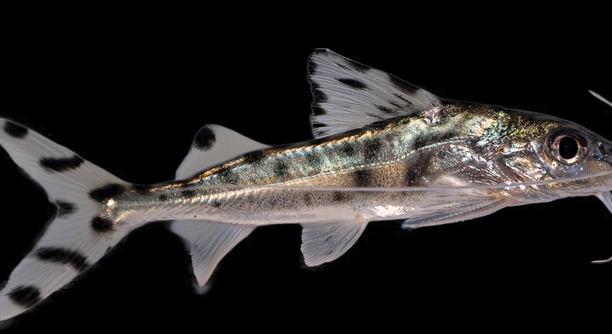
Do you ever find yourself thinking about adding a second pictus catfish to your aquarium but feel unsure about the risks?
Adding a second pictus catfish requires careful consideration of tank size, compatibility, and environmental conditions. These active, schooling fish thrive in groups but can become stressed or aggressive if the setup is not ideal.
Learning what to expect can help you avoid common mistakes and create a peaceful space where both fish feel at home.
Understand Their Social Needs
Pictus catfish are social creatures that do best when kept in small groups. In the wild, they naturally swim in schools, which helps reduce stress and keeps them active. When kept alone, a pictus can become shy or overly anxious. Adding a second one can improve their quality of life, but it’s important to make sure the tank is large enough and the environment is stable. A cramped space will only increase stress and cause territorial issues. To make this work, provide lots of hiding spots using driftwood, caves, or dense plants. Also, keep lighting low and water flow moderate to mimic their natural setting. Pictus catfish are most active during the evening, so giving them safe areas to retreat during the day helps them feel secure.
It’s not just about company—these fish rely on space and hiding spots to maintain harmony in the tank.
Providing a group setting can improve their behavior, reduce hiding, and lead to more active swimming. They’re more confident when they know they aren’t alone. But don’t just toss another one in. Make sure your setup can support them. When done right, they become more engaging and less withdrawn, making your tank more lively and balanced.
Tank Size Matters More Than You Think
Each pictus catfish needs space to swim freely. A tank under 55 gallons is usually not enough for two adults.
Two pictus catfish need at least a 75-gallon tank to coexist comfortably. These fish are fast, energetic swimmers that use the full tank. Smaller tanks lead to constant bumping into decorations or each other, which causes stress and injury over time. While young pictus might seem fine in a smaller tank at first, they grow quickly and will outgrow cramped conditions. This often leads to aggression or health problems. Providing an open area for swimming, along with some shaded or covered areas, helps reduce tension between them. They are bottom dwellers but will explore all parts of the tank, especially at night. Good filtration is also important, as two pictus produce a significant bioload. Upgrading your tank size is one of the most important steps if you want to add a second fish. It’s better to go bigger from the start than to deal with problems caused by overcrowding later.
Watch for Aggression and Stress
Pictus catfish are generally peaceful, but aggression can happen if they feel crowded or threatened. If one is constantly chasing the other or hogging hiding spots, it’s a sign that something isn’t right.
When adding a second pictus, it’s normal for them to test boundaries at first. Some light chasing might occur as they adjust, but it shouldn’t be constant. If aggressive behavior continues beyond a few days, check your tank layout. You may need more hiding spots or open space. Stress from poor water quality, sudden lighting changes, or tankmates can also trigger aggression. Make changes gradually and monitor their behavior closely. Look for signs like clamped fins, hiding all day, or not eating. These are often stress indicators. Keeping an eye on them helps you catch issues early before they turn serious.
Sometimes, even with a big tank and good hiding spots, two pictus won’t get along. Not all fish have the same temperament. One might be more dominant and push the other away from food or shelter. If this happens, you may need to rearrange the tank or, in rare cases, separate them. Adding more fish can sometimes spread aggression, but this only works in a much larger tank. Always be ready to adjust if the setup isn’t working.
Rethink Your Stocking Plan
Adding a second pictus affects more than just space—it impacts every other fish in the tank. You’ll need to consider how your current stocking choices hold up under more activity and bioload.
Pictus catfish are very active, especially at night. This behavior can stress slower, shy, or small tankmates. If you already have bottom dwellers like corydoras or kuhli loaches, they may compete for space. Pictus are not usually aggressive toward other species, but their size and speed can make others feel overwhelmed. Be sure to research every fish in your tank and how they handle movement and territory. Avoid keeping them with fin-nipping or overly territorial species, as this can lead to tension. Also, consider the overall bioload. Two pictus produce a lot of waste, so you’ll need a strong filtration system and regular maintenance to keep everything stable. Careful planning will help you avoid future problems and support a healthy tank.
Double the Mess, Double the Maintenance
Two pictus catfish will double the waste in your tank. This means more ammonia, more frequent water changes, and a stronger filter system. Skipping maintenance can quickly lead to poor water quality and health issues for all your fish.
Weekly water changes become more important with two pictus. Test your water regularly for ammonia, nitrite, and nitrate levels.
Feeding Can Get Competitive
Feeding time can turn into a race with two pictus. They’re quick and often grab food before others have a chance. To avoid this, spread the food across the tank and feed at night when they’re most active. Use sinking pellets or frozen food they can easily find.
Quarantine the Newcomer
Never skip quarantine when adding a second pictus. Even if it looks healthy, it could carry parasites or bacteria that may infect your established tank. Keep the new fish in a separate tank for at least two weeks before introducing it.
FAQ
Can I keep just two pictus catfish together?
Yes, but only if the tank is large enough—75 gallons or more. While pictus catfish prefer to live in small groups, two can live together peacefully when the space is right and hiding spots are available. Without enough space, one may become dominant or stressed, leading to aggression or illness. Always watch their behavior closely after introducing the second fish. If they seem agitated or one is constantly hiding, they may not be comfortable in the setup. Rearranging the tank or upgrading may help reduce tension between them.
Will adding another pictus change my tank’s balance?
Yes, it will. Pictus catfish are fast, active swimmers and will create more movement in the tank. This can affect the comfort of slower or shy fish, especially bottom dwellers. You may also notice more waste in the tank, which means your filtration and cleaning routine needs to be stronger. The bioload almost doubles with two of them. This can throw off your water parameters if not carefully managed. Before adding a second pictus, check if your filter can handle it and if your other fish are compatible with more activity.
How can I tell if my pictus catfish are fighting or playing?
Pictus catfish can be active and playful, so chasing isn’t always a sign of fighting. However, if you see one fish constantly chasing or nipping at the other, or if one is hiding all the time and not eating, it could mean there’s stress or aggression. Another sign of conflict is visible damage, like torn fins. Try rearranging decorations to break up territories or adding more hiding spots. If it continues, they may not be a good match and could need to be separated.
What happens if I add the second pictus too soon?
Adding another pictus before your tank is fully cycled or stable can cause serious problems. Sudden changes in bioload can throw off your water parameters quickly. This leads to ammonia spikes and stress for both fish. It’s better to wait until your tank is mature and stable. Quarantine the new fish before introducing it to avoid spreading disease. Also, make sure your first pictus is healthy and settled before bringing in a second one. Rushing the process often causes more harm than good.
Do pictus catfish need to be in groups?
They don’t need a group to survive, but they usually do better with companions. In the wild, they live in schools, so keeping them alone can lead to timid behavior or stress. Two can be enough if the tank is large and conditions are right. That said, they don’t always get along perfectly in pairs. In larger tanks, keeping three or more can help spread out any chasing or dominance behavior. But this only works if your tank can support the extra fish.
What signs should I look for if something’s wrong after adding a second pictus?
Watch for sudden hiding, refusal to eat, torn fins, or rapid breathing. These are often signs of stress, injury, or poor water quality. Test your water right away if you notice changes. Check for ammonia or nitrite spikes. Make sure both fish have enough space and hiding areas. Aggression or bullying can also lead to stress, so observe their behavior often. If needed, separate them before it gets worse. Addressing problems early keeps your tank safe and balanced.
Is it okay to add other bottom dwellers with two pictus catfish?
It depends on the species and tank size. Pictus catfish are peaceful but active and fast. Slow bottom dwellers like corydoras or kuhli loaches might get stressed by their energy or compete for space. In a large enough tank with plenty of hiding spots, it can work. Avoid overcrowding the bottom level of the tank. Monitor how all the fish behave after introducing new tankmates. If anyone seems stressed or starts hiding more than usual, you may need to adjust your setup.
Final Thoughts
Adding a second pictus catfish can be a great decision if your tank is properly set up for it. These fish are social, active, and more comfortable when they aren’t alone. But it’s not as simple as just dropping another one into the water. You need to make sure your tank is large enough, has enough hiding spots, and has stable water conditions. Pictus catfish grow quickly and need a lot of room to swim. A 75-gallon tank is usually the minimum for two. Anything smaller can cause stress, injury, and aggression. It’s also important to have strong filtration since two of them produce a lot of waste. If the tank isn’t ready, it’s better to wait and plan ahead.
Every fish is different, and sometimes even two pictus won’t get along. This can happen even if the tank size is right. Signs like constant chasing, hiding, or not eating are things to take seriously. In some cases, one fish might need to be moved or the layout of the tank adjusted to break up territory and ease tension. Quarantining new fish before adding them is also important. This helps prevent diseases or parasites from entering your main tank. Feeding can also change once you have two pictus. They’re fast eaters and will often grab food quickly, so you may need to spread the food out or feed at night when they’re most active. Small changes in your routine can make a big difference.
If you’re thinking about adding a second pictus, take your time to make sure your setup can handle it. Look at your current stocking, how much space you have, and whether your filtration system is strong enough. Avoid overcrowding or pairing them with very slow, shy tankmates. The more balanced your tank is, the better the outcome will be for all your fish. When done carefully, keeping two pictus catfish can lead to a more active, interesting tank. They may swim more, hide less, and seem more at ease. It takes a bit of planning, but the result is worth it if you’re ready. Always watch their behavior and be open to making changes if something doesn’t feel right.

Hello,
If you enjoy the content that we create, please consider saying a "Thank You!" by leaving a tip.
Every little bit helps us continue crafting quality advice that supports the health, happiness, and well-being of pets around the world, for pets of all shapes, sizes, and species.
We really appreciate the kindness and support that you show us!