
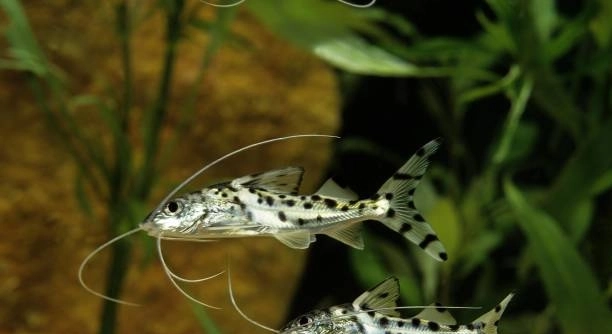
Many aquarium enthusiasts enjoy keeping Pictus catfish for their active nature and attractive spots. These fish add liveliness to freshwater tanks and are known for their peaceful temperament. Understanding their size helps in providing the right care.
Pictus catfish typically grow to about 4 to 5 inches (10 to 13 centimeters) in captivity. Their growth depends on tank size, diet, and water quality. Proper conditions can support healthy growth but will generally not exceed this size range.
Knowing how big your Pictus catfish can get helps in planning the right tank environment. This information is important for ensuring your fish stays healthy and comfortable in your care.
Factors Affecting Pictus Catfish Growth
Several factors influence how large a Pictus catfish will grow in captivity. The size of the tank plays a significant role. Larger tanks offer more space for swimming and encourage better growth. Diet is another key aspect—providing a balanced mix of protein-rich foods, such as bloodworms or sinking pellets, helps them develop properly. Water quality must be maintained carefully, with regular changes and stable conditions, as poor water can stunt growth or cause health problems. Stress levels also matter; keeping the tank environment calm and avoiding overcrowding allows the fish to thrive. Temperature should be consistent within their preferred range, usually between 75 and 81°F (24-27°C). By addressing these elements, the Pictus catfish can reach its potential size while staying healthy.
Good water quality and diet are essential for steady growth and overall health in Pictus catfish.
Many new fish keepers underestimate the importance of tank conditions. A tank that is too small restricts movement and can lead to stunted growth. Feeding a varied diet not only supports size but also enhances their coloration and activity. Regular water testing helps catch any imbalances early. Additionally, avoid sudden temperature changes that can cause stress. Pictus catfish are social but should not be overcrowded, as competition for food can affect their growth. Monitoring these factors creates an environment where the fish can grow comfortably and live longer.
Tank Size Recommendations for Pictus Catfish
A tank of at least 30 gallons is recommended to house a Pictus catfish comfortably.
In a larger tank, Pictus catfish have enough room to swim and explore. This space is important because it allows natural behaviors and supports healthier growth. Smaller tanks often lead to stress and health problems. It is also easier to maintain stable water conditions in a bigger tank. Adding hiding spots and plants makes the environment more suitable and reduces stress. When multiple catfish are kept together, increasing the tank size further helps prevent overcrowding. Providing adequate space ultimately promotes a happier and more active fish.
Feeding Your Pictus Catfish
A balanced diet is crucial for the growth and health of Pictus catfish. They need a mix of protein and nutrients.
Offering live or frozen foods like bloodworms, brine shrimp, and daphnia supports their natural hunting behavior. Sinking pellets made for carnivorous fish provide necessary nutrients and help maintain weight. Feeding small amounts two to three times a day prevents overfeeding and water pollution. Avoid feeding only flakes or plant-based foods, as these don’t meet their protein needs. Variety in diet keeps them active and colorful, which indicates good health.
Feeding should mimic their natural eating habits. Pictus catfish are bottom feeders and nocturnal hunters, so feeding them later in the day is often best. Observing how much they eat and adjusting portions helps prevent leftover food that can dirty the tank. Using a feeding ring or target feeding can help direct food to the bottom, reducing waste and competition with other fish.
Common Growth Issues
Stunted growth in Pictus catfish often results from poor water quality and inadequate nutrition. Frequent water changes and a nutritious diet can prevent this problem.
Stress is another factor that can affect growth. Overcrowding, incompatible tank mates, and sudden changes in environment may stress the fish, leading to slower growth or illness. Parasites and diseases can also impact development, so monitoring fish health regularly is important. If the fish shows unusual behavior or appearance, quick action is necessary.
Maintaining stable water parameters is essential. Using a water test kit to check ammonia, nitrite, nitrate, and pH levels helps catch problems early. Keeping the tank clean and providing proper filtration improves overall water quality. Additionally, ensure the temperature stays within the ideal range to avoid unnecessary stress. Regular observation and care lead to a healthier, properly growing Pictus catfish.
Growth Rate of Pictus Catfish
Pictus catfish grow steadily during their first year, reaching most of their adult size by then. Growth slows significantly afterward. Their rate depends largely on tank conditions and diet quality.
Proper care ensures they reach their expected size within 12 to 18 months. Consistency in feeding and water maintenance supports healthy development.
Signs Your Pictus Catfish Is Growing Well
Healthy growth is shown by vibrant coloration, active swimming, and good appetite. A well-grown Pictus catfish will display strong fins and clear eyes.
If growth stalls, it might be time to check tank conditions, diet, or stress levels. Addressing these factors can help get your fish back on track.
Tank Mates and Growth
Choosing peaceful tank mates reduces stress, allowing Pictus catfish to grow properly. Aggressive fish can hinder growth by causing constant stress.
When to Upgrade Your Tank Size
Upgrading your tank becomes important as your Pictus catfish approaches full size, usually around 4-5 inches. Providing more space promotes better health and growth.
FAQ
How big do Pictus catfish get in home aquariums?
Pictus catfish usually grow to about 4 to 5 inches (10 to 13 centimeters) in captivity. Their size depends on factors like tank size, diet, and water quality. While they may grow slightly larger in very large tanks, 5 inches is a typical adult size for home aquariums.
How fast do Pictus catfish grow?
These catfish grow relatively quickly during their first year, reaching most of their adult size within 12 to 18 months. After that, growth slows down considerably. Providing good nutrition and stable tank conditions helps ensure they reach their full size on time.
What kind of diet helps Pictus catfish grow well?
A diet rich in protein is essential. Live or frozen foods like bloodworms, brine shrimp, and daphnia work well. Sinking pellets formulated for carnivorous fish supply the nutrients they need. Avoid only feeding flakes or plant-based foods, as these don’t meet their dietary requirements.
Can Pictus catfish grow in small tanks?
While they can survive in smaller tanks, growth may be stunted due to limited space and stress. A tank of at least 30 gallons is recommended to support healthy growth and reduce stress. More space allows them to swim freely and behave naturally.
What happens if my Pictus catfish isn’t growing?
Stunted growth can result from poor water quality, inadequate diet, or stress. Overcrowding and aggressive tank mates may cause stress, slowing growth. Checking water parameters regularly and improving feeding habits often helps. Also, make sure the tank isn’t too small.
Do Pictus catfish grow differently in the wild?
In the wild, Pictus catfish may grow slightly larger due to more space and a wider variety of food. However, their average size is still close to what is seen in captivity, around 5 to 6 inches. Tank conditions limit their maximum size at home.
How can I tell if my Pictus catfish is healthy and growing properly?
Healthy Pictus catfish show bright coloration, clear eyes, and active swimming. They have strong, intact fins and a good appetite. Regularly observing their behavior and appearance helps identify if they are growing well or if something needs attention.
Should I upgrade my tank as my Pictus catfish grows?
Yes, upgrading the tank as your catfish approaches full size is important. A larger tank reduces stress and provides more room for natural behavior. Generally, a 30-gallon or bigger tank works well for adult Pictus catfish, especially if keeping more than one.
Can tank mates affect the growth of Pictus catfish?
Tank mates can impact growth if they cause stress or compete for food. Peaceful community fish are best companions. Avoid aggressive or territorial species, as stress from these can stunt your catfish’s growth and affect overall health.
How often should I feed my Pictus catfish?
Feeding small amounts two to three times daily is ideal. Overfeeding can pollute the water and harm fish health. Observing how much they eat helps adjust portions. Feeding later in the day matches their natural nocturnal feeding habits.
What water conditions are best for Pictus catfish growth?
Stable water temperatures between 75 and 81°F (24-27°C), clean water with low ammonia and nitrite levels, and a pH between 6.5 and 7.5 support healthy growth. Regular water changes and good filtration are essential to maintain these conditions.
Can stress affect the size of Pictus catfish?
Yes, stress can slow growth and cause health issues. Stress comes from poor water quality, overcrowding, aggressive tank mates, or sudden changes in the tank environment. Minimizing stress helps your catfish grow to their full potential.
Is it normal for Pictus catfish to stop growing at some point?
Yes, once they reach maturity around 4 to 5 inches, their growth naturally slows and eventually stops. Growth after the first year is very slow, so a lack of noticeable size increase is normal for adult fish.
What signs indicate my Pictus catfish might have a health problem?
Signs include faded colors, clamped fins, loss of appetite, erratic swimming, or visible spots or lesions. Any of these symptoms should prompt checking water quality and possibly consulting a vet or aquarium specialist to avoid growth issues related to illness.
Can lighting affect Pictus catfish growth?
Lighting doesn’t directly affect growth but influences behavior and stress. A natural day-night cycle helps regulate activity and feeding times. Too bright lighting may stress nocturnal fish like Pictus catfish, so dim or subdued lighting is better.
Are Pictus catfish good for community tanks?
Yes, they are peaceful and can live well with other non-aggressive fish. Proper tank size and hiding spots reduce stress, supporting healthy growth in a community setting. Avoid large or aggressive fish that might intimidate or harm them.
Understanding how big a Pictus catfish can get in captivity helps you create the best environment for your fish. These catfish usually grow to about 4 to 5 inches, which means they need enough space to swim comfortably. Keeping them in a properly sized tank, generally 30 gallons or larger, gives them room to move and reduces stress. When they have enough space, they can grow at a healthy rate and stay active. A cramped tank can limit their growth and affect their overall well-being.
Feeding plays an important role in how well your Pictus catfish grows. They require a diet rich in protein, such as bloodworms, brine shrimp, or specially made sinking pellets for carnivorous fish. Feeding small amounts two or three times a day helps avoid overfeeding and keeps the water clean. Providing a varied diet keeps your fish healthy and helps maintain their bright colors and lively behavior. If they do not get the right nutrients, growth may slow or stop, and their health could suffer.
Maintaining good water quality and a stable environment is key for growth and health. Regular water changes, monitoring water parameters, and keeping the temperature steady between 75 and 81°F will support your fish’s development. Avoid overcrowding and stressful tank mates to prevent problems. Watching your fish regularly allows you to notice changes in behavior or appearance early. With proper care, your Pictus catfish can live a long, healthy life and reach its full size, making your aquarium a rewarding place to enjoy.

Hello,
If you enjoy the content that we create, please consider saying a "Thank You!" by leaving a tip.
Every little bit helps us continue crafting quality advice that supports the health, happiness, and well-being of pets around the world, for pets of all shapes, sizes, and species.
We really appreciate the kindness and support that you show us!