
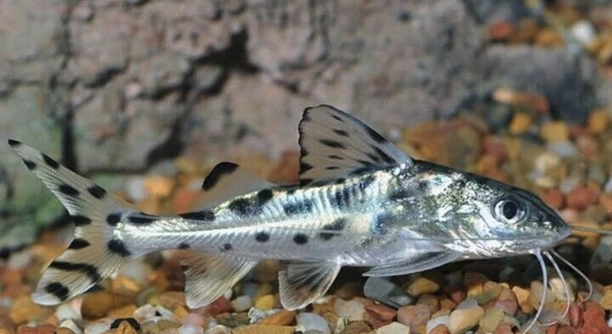
Pictus catfish are a popular choice for many aquarium enthusiasts because of their active nature and striking appearance. Many keepers notice how these fish behave in different group sizes. Growth rate is an important factor for those wanting healthy and thriving fish.
Pictus catfish tend to grow faster when kept in groups due to social stimulation and reduced stress levels. Group environments encourage more natural behavior and better feeding responses, which can positively impact their overall growth rate and development.
Understanding the effects of group living on pictus catfish growth can help improve aquarium care. This knowledge supports creating a healthier environment and ensures the well-being of these energetic fish.
Why Group Living Matters for Pictus Catfish Growth
Pictus catfish are social creatures by nature. When kept alone, they can become stressed or shy, which affects their appetite and activity levels. In groups, these fish feel more secure and display more natural behaviors, including active foraging and swimming. This increased activity encourages better metabolism and feeding efficiency. Group living also reduces stress hormones, which can otherwise slow growth. Observing pictus catfish in groups shows how they interact through gentle nudging and shared exploration of the tank. These interactions help keep them engaged and healthy. In contrast, isolated catfish may hide more and eat less, slowing their growth. The tank environment, such as hiding spots and space, also plays a role in supporting group dynamics and growth. Overall, keeping pictus catfish in groups mimics their natural habitat and supports healthier development.
Smaller groups of three to five catfish usually create an ideal balance, allowing for natural behavior without overcrowding.
A well-balanced tank with proper group sizes helps maintain water quality and ensures all fish receive enough food. This balance prevents competition and supports steady growth. Observing the fish daily helps adjust care based on their activity and health.
Feeding Habits and Growth in Groups
Feeding pictus catfish in groups requires attention to their natural eating habits. These fish are bottom feeders and prefer frequent small meals. Feeding them in groups encourages competition, but it should not lead to stress. Offering food in several spots helps reduce aggression and ensures all fish eat well. In a group, pictus catfish tend to be more active during feeding times, which supports their growth by increasing their metabolism. Overfeeding should be avoided, as it can pollute the water and harm fish health. Using sinking pellets or live foods like bloodworms helps meet their nutritional needs. Consistent feeding schedules also improve their growth rate. A group setting encourages natural foraging and better utilization of available food, leading to healthier and faster-growing fish.
Careful feeding management in groups promotes fair food distribution and better growth outcomes.
Feeding pictus catfish several times a day in small amounts mimics their natural behavior. It helps avoid overeating and maintains good water quality. Observing their feeding response in groups guides adjustments to ensure every fish gets enough nutrition without waste. This approach supports a steady growth rate and healthier fish overall.
Tank Setup and Its Impact on Growth
A proper tank setup is crucial for pictus catfish growth. They need enough space to swim freely and places to hide. Overcrowding can cause stress and slow growth.
Providing a tank of at least 30 gallons for a small group allows for natural movement and reduces aggression. Adding plants and hiding spots mimics their natural environment, helping them feel secure. Good filtration and regular water changes keep the water clean, which is essential for their health. Clean water reduces disease risk and supports faster growth. Proper lighting and temperature control also play roles in maintaining a stable environment.
Keeping the tank clean and well-organized supports the natural behaviors of pictus catfish. Stress from poor conditions can weaken their immune systems and stunt growth. A comfortable environment encourages activity and healthy eating, which directly affects their development.
Monitoring Growth and Health
Regular observation helps track pictus catfish growth and detect early signs of illness. Look for changes in behavior or appetite.
Measuring their size every few weeks can give clear insight into their growth rate. Healthy fish have vibrant colors and swim actively. Weight loss, lethargy, or hiding may indicate problems. Maintaining stable water parameters is critical for health. Sudden changes can stress fish and slow growth. Recording water temperature, pH, and ammonia levels helps keep conditions stable. When problems arise, addressing them quickly prevents long-term damage and supports recovery. Tracking growth alongside water quality creates a reliable routine for maintaining a thriving tank.
Noticing small health changes early allows prompt care and improves overall success in raising pictus catfish. Consistent care routines benefit both their growth and well-being.
Common Growth Challenges
Growth challenges in pictus catfish often stem from stress or poor water quality. Identifying these issues early can prevent long-term problems.
Nutrition also plays a key role. Lack of proper food or uneven feeding in groups can slow growth noticeably.
Stress Factors Affecting Growth
Stress in pictus catfish is usually caused by overcrowding, aggressive tank mates, or unstable water conditions. Stress weakens their immune system and slows metabolism, leading to slower growth. Minimizing sudden changes and providing enough hiding spaces helps reduce stress. Monitoring tank mates carefully prevents bullying, ensuring all fish have a peaceful environment. Maintaining consistent water quality and temperature creates a calm habitat where pictus catfish can thrive and grow efficiently.
Breeding and Group Size
Breeding behavior influences group dynamics and growth rates in pictus catfish.
Feeding Frequency and Growth
Feeding pictus catfish two to three times daily with small portions supports steady growth without polluting the water.
How many pictus catfish should I keep together for optimal growth?
Keeping pictus catfish in groups of three to five is ideal. This size allows them to exhibit natural behaviors without overcrowding the tank. Smaller groups may cause stress due to isolation, while larger groups can lead to competition for food and space. Maintaining the right group size helps reduce stress, encourages activity, and supports faster growth. Ensuring enough swimming space and hiding spots is also important to prevent aggression and maintain a peaceful environment.
Does tank size affect pictus catfish growth in groups?
Yes, tank size directly impacts their growth. A larger tank offers more space for swimming and reduces stress. For a group of three to five, a minimum of 30 gallons is recommended. Crowded conditions increase stress, leading to slower growth and higher risk of disease. Clean water and stable conditions in an adequately sized tank promote healthy development and natural behaviors.
What is the best diet to support pictus catfish growth?
Pictus catfish thrive on a varied diet of sinking pellets, live or frozen foods like bloodworms and brine shrimp, and occasional vegetable matter. Feeding multiple small meals throughout the day supports steady metabolism and growth. Avoid overfeeding to keep water quality high. Feeding in several spots reduces competition and ensures all fish get enough nutrition.
Can pictus catfish grow without being kept in groups?
While they can survive alone, pictus catfish grow slower and may show signs of stress when kept singly. Group living provides social stimulation, which encourages natural behavior and better feeding. This leads to improved growth rates compared to solitary fish.
How often should I change the water to promote growth?
Regular water changes are essential. Changing 20-30% of the water weekly keeps ammonia and nitrate levels low, which supports health and growth. Dirty water stresses fish and can cause illness, slowing growth. Testing water parameters helps determine if more frequent changes are needed.
What signs indicate poor growth or health issues?
Signs include reduced activity, loss of appetite, faded color, and abnormal swimming behavior. Slow or stunted growth is often linked to stress, illness, or poor water quality. Monitoring behavior and appearance daily helps catch problems early. Addressing these issues quickly supports recovery and normal growth.
Does temperature affect pictus catfish growth?
Yes, pictus catfish grow best in water temperatures between 74°F and 80°F. Stable temperatures within this range promote healthy metabolism and feeding. Sudden temperature changes or extremes cause stress, reducing growth rates and increasing susceptibility to disease.
Is it necessary to provide hiding spots in a group tank?
Hiding spots are important regardless of group size. They reduce stress by allowing fish to retreat when needed. This lowers aggression and supports healthy social dynamics, encouraging better feeding and growth. Plants, caves, and decorations can serve as shelters.
How quickly do pictus catfish grow in groups?
Growth rates vary, but pictus catfish in groups typically grow faster than solitary ones. In optimal conditions, they can reach around 3 to 4 inches within their first year. Factors like diet, tank size, and water quality all influence speed. Regular monitoring helps track progress and adjust care as needed.
Can overcrowding stunt pictus catfish growth?
Overcrowding causes stress and competition for food and space, which directly slows growth. It can also lead to poor water quality and increased disease risk. Maintaining appropriate group size and tank volume prevents overcrowding and supports healthy development.
Are there any specific tank mates that affect pictus catfish growth?
Aggressive or overly active tank mates can stress pictus catfish, leading to slower growth. Peaceful species that occupy different tank levels generally coexist well. Avoid housing them with large, aggressive fish to maintain a calm environment conducive to growth.
How important is monitoring water parameters for growth?
Monitoring pH, ammonia, nitrite, and nitrate levels is crucial. Stable, clean water supports healthy metabolism and immune function, promoting growth. Sudden changes or toxic levels stress fish, reducing appetite and development. Using test kits regularly helps maintain optimal conditions.
Can breeding affect growth rates in a group?
Breeding activity may increase stress or competition in the tank, temporarily slowing growth. However, proper tank size, hiding spots, and feeding reduce negative impacts. After breeding periods, growth typically resumes as stress levels normalize.
Is feeding live food necessary for growth?
Live food boosts growth by providing natural nutrition and stimulating feeding behavior. It can be offered alongside pellets and frozen options for a balanced diet. Live food also encourages natural foraging, which promotes activity and better metabolism.
How does stress affect pictus catfish growth in groups?
Stress lowers metabolism and weakens immune defenses, slowing growth. It can be caused by poor tank conditions, overcrowding, aggressive tank mates, or irregular feeding. Reducing stress through stable water, proper group size, and hiding places helps maintain steady growth.
Pictus catfish grow best in environments that closely mimic their natural conditions. Keeping them in groups helps reduce stress and encourages natural behaviors, which in turn supports faster growth. When these fish feel secure and active, they eat better and develop more quickly. A well-planned tank setup with enough space, proper hiding spots, and good water quality also plays a key role in their overall health and growth rate. It is important to avoid overcrowding and maintain a clean tank to prevent stress and illness.
Feeding pictus catfish the right diet in the right amounts is another important factor. Providing a varied diet with sinking pellets, live, or frozen foods keeps their nutrition balanced. Feeding small portions several times a day mimics their natural feeding habits and helps maintain their metabolism. Offering food in multiple locations within the tank ensures all fish get their share and reduces competition. Overfeeding should be avoided because it can harm water quality and lead to health issues.
Regular monitoring of the tank environment and fish behavior helps catch any problems early. Watching for signs of poor health or slow growth allows for quick adjustments to care routines. Maintaining stable water temperature, pH, and cleanliness supports their immune systems and promotes steady development. Overall, understanding how group living, diet, and tank conditions affect pictus catfish growth helps create the best possible environment for these lively fish to thrive.

Hello,
If you enjoy the content that we create, please consider saying a "Thank You!" by leaving a tip.
Every little bit helps us continue crafting quality advice that supports the health, happiness, and well-being of pets around the world, for pets of all shapes, sizes, and species.
We really appreciate the kindness and support that you show us!