
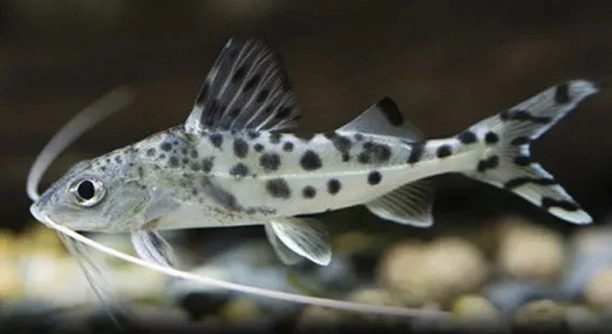
Handling water spikes in a Pictus tank is an important part of maintaining a healthy environment for your fish. Sudden changes in water quality can cause stress and harm. Learning to manage these spikes helps keep your tank stable and safe.
Water spikes in a Pictus tank occur due to sudden shifts in water parameters like pH, ammonia, or nitrates. The best way to handle them is through regular water testing, prompt partial water changes, and careful monitoring of tank conditions to prevent stress and health issues.
Knowing how to manage water spikes will improve your fish’s well-being and the overall balance of your tank ecosystem. This article will explain practical steps to keep your Pictus tank stable and thriving.
Causes of Water Spikes in a Pictus Tank
Water spikes in a Pictus tank often happen because of sudden changes in water quality. These changes can come from overfeeding, too many fish in the tank, or infrequent water changes. When waste builds up quickly, ammonia and nitrite levels rise, causing spikes. Another cause can be a new decoration or substrate releasing harmful substances. Sometimes, using untreated tap water adds chlorine or chloramine, which shocks the fish. Even an unbalanced filter or sudden temperature shifts can affect water parameters. It’s important to keep track of these factors to avoid stress or illness in your Pictus catfish. By recognizing what triggers spikes, you can act early to keep the environment safe and stable for your fish to thrive.
Keeping a consistent cleaning schedule and monitoring water quality regularly helps prevent sudden changes in the tank. Stability is key for healthy fish.
Understanding what leads to spikes allows you to manage the tank better and reduce risks to your fish’s health. Avoiding overfeeding and performing partial water changes regularly are simple but effective steps to maintain balance.
How to Test and Monitor Your Tank Water
Testing your tank water regularly is essential for spotting spikes early. Use a reliable water testing kit to check levels of ammonia, nitrite, nitrate, and pH. These tests give you a clear picture of your tank’s condition. Checking water temperature is also important, as fluctuations can affect water chemistry and fish health. Keep a log of your test results to notice trends or sudden changes over time.
Maintaining steady water parameters prevents stress and keeps your Pictus catfish healthy.
To monitor your tank properly, test water at least once a week. Observe your fish for any unusual behavior, such as gasping or hiding, which can indicate water issues. If a spike is detected, perform a partial water change immediately to dilute harmful chemicals. Avoid full water changes as they can cause more fluctuations. Using a good filter system and not overcrowding the tank also helps maintain water quality. Small steps like these create a safer home for your fish and reduce the chances of sudden water spikes.
Preventing Water Spikes in Your Pictus Tank
Regular maintenance is essential to prevent water spikes. Changing 10-20% of the water weekly keeps toxin levels low. Avoid overfeeding, as leftover food decomposes and raises ammonia. Keep the tank stocked at a proper level to reduce waste buildup. Using a good filtration system ensures consistent water flow and cleanliness.
Consistency in care makes a big difference. Regular partial water changes help maintain stable water parameters, reducing the chance of sudden spikes that can harm your fish.
It’s important to check water parameters often and keep the tank environment steady. Adding live plants can also absorb some toxins naturally, which helps keep the water healthier. Avoid sudden changes in temperature or new decorations that might alter water chemistry. Over time, these habits protect your Pictus catfish from stress and health problems caused by unstable water.
Responding to a Water Spike Quickly
When you notice a spike, act fast by performing a partial water change to dilute harmful substances. Use treated, temperature-matched water to avoid stressing the fish further. Test the water again after the change to ensure levels are improving. Avoid adding new fish or making other big changes until the tank stabilizes.
Fast response reduces the risk of damage to your fish and tank environment. Partial water changes are safer than full swaps, which can shock your Pictus catfish. Monitoring water chemistry closely during this time helps you understand when the tank is back to normal. Using water conditioners can also neutralize ammonia and nitrites temporarily while you work on fixing the cause. Staying calm and attentive during spikes is key to protecting your fish’s health.
Signs Your Pictus Fish Is Affected by Water Spikes
Pictus catfish often show stress when water spikes occur. Look for unusual swimming patterns, gasping at the surface, or hiding more than usual. Loss of appetite and faded colors are also common signs.
Early detection helps prevent serious health problems. Paying close attention to behavior can save your fish from lasting damage.
Using Water Conditioners Effectively
Water conditioners can neutralize harmful chemicals like ammonia and nitrites quickly. Choose a conditioner that detoxifies and detoxifies chlorine and chloramine in tap water. Follow the instructions carefully to avoid overdosing, which can stress your fish. Regular use during water changes can stabilize the environment. Conditioners work best as a temporary fix while addressing the root cause of water spikes.
Role of Filtration Systems
A good filtration system removes waste and toxins from the water efficiently. It supports beneficial bacteria that break down harmful substances. Regular filter maintenance is necessary to keep it working well. Proper filtration reduces the risk of sudden water parameter changes and helps maintain a healthy tank.
FAQ
What causes water spikes in a Pictus tank?
Water spikes usually happen when there is a sudden change in water quality. Common causes include overfeeding, infrequent water changes, overcrowding, or a malfunctioning filter. New decorations or substrate can also release harmful substances. Using untreated tap water may add chlorine or chloramine, which stresses the fish and affects water chemistry. Temperature fluctuations can contribute as well.
How often should I test my tank water?
Testing your tank water once a week is a good practice. Regular checks help you catch rising ammonia, nitrites, or nitrates early. Keep a log of the results to notice trends and act before spikes get serious. Testing more frequently is recommended if your tank is new or if fish show signs of stress.
What is the safest way to perform water changes during a spike?
Partial water changes of 10-20% are best when dealing with water spikes. Use water that is treated to remove chlorine and matches the tank’s temperature. Avoid full water changes because they can cause more stress and instability. After the change, test the water again to see if the problem is improving.
Can I use water conditioners all the time?
Water conditioners are useful for neutralizing ammonia, nitrites, chlorine, and chloramine temporarily. However, they should not replace proper tank maintenance. Use conditioners mainly during water changes or emergencies, not as a daily solution. Overuse can mask underlying issues that need to be fixed.
Why is filtration important in preventing spikes?
Filters help remove waste and toxins from the water. They also support colonies of beneficial bacteria that break down ammonia and nitrites into less harmful substances. A good filter keeps water clean and stable, which reduces the chances of spikes. Regular cleaning and maintenance of the filter ensure it works efficiently.
How do I know if my Pictus catfish is stressed from water spikes?
Look for signs like unusual swimming patterns, gasping at the surface, hiding, loss of appetite, or faded colors. These symptoms indicate your fish is stressed and may be affected by poor water quality. Early detection helps you act quickly and prevent serious health problems.
What can I do to prevent water spikes from happening again?
Keep a consistent cleaning schedule with weekly partial water changes. Avoid overfeeding and overcrowding the tank. Monitor water parameters regularly and maintain a good filtration system. Introducing live plants can help absorb excess toxins naturally. Also, avoid sudden temperature changes or adding new decorations without proper preparation.
Are sudden temperature changes dangerous for Pictus tanks?
Yes, sudden changes in temperature can affect water chemistry and stress your fish. Pictus catfish prefer stable conditions. Try to keep the tank temperature steady and avoid placing it near heaters, air conditioners, or drafts.
How long does it take for a water spike to stabilize?
The time varies depending on the cause and how quickly you respond. With proper care, such as partial water changes and using conditioners, water parameters can improve within a few hours to a day. Persistent spikes may take longer and require further investigation.
Is overfeeding a major cause of water spikes?
Yes, overfeeding leads to uneaten food decomposing in the tank. This increases ammonia and nitrite levels quickly. Feeding your fish only what they can eat within a few minutes helps prevent buildup and keeps water stable.
Final Thoughts
Managing water spikes in a Pictus tank is essential for keeping your fish healthy and comfortable. Sudden changes in water quality can stress your catfish and make them more vulnerable to illness. By understanding the causes of these spikes, such as overfeeding, poor filtration, or infrequent water changes, you can take steps to avoid them. Regular monitoring of water parameters like ammonia, nitrites, nitrates, and pH helps catch problems early before they get serious. Consistency in tank care plays a big role in maintaining a stable environment that supports the well-being of your fish.
Using partial water changes is the most effective way to address water spikes when they happen. Changing about 10 to 20 percent of the water at a time helps reduce harmful substances without shocking your fish. Always treat the new water to remove chlorine and match the tank’s temperature to keep things gentle for your Pictus catfish. Water conditioners can provide temporary relief by neutralizing toxins, but they should not replace regular maintenance. Paying attention to your fish’s behavior can also alert you if something is wrong, so keep an eye out for changes like unusual swimming, hiding, or loss of appetite.
Preventing water spikes requires good habits and patience. Stick to a schedule for water testing and changes, avoid overfeeding, and maintain your filtration system well. Introducing live plants can help absorb some toxins naturally and improve overall water quality. Avoid sudden changes in temperature or tank decorations to keep conditions steady. These small but consistent actions create a safe and healthy space for your Pictus catfish to thrive. By staying attentive and proactive, you ensure a long, happy life for your fish and enjoy a stable, beautiful tank.

Hello,
If you enjoy the content that we create, please consider saying a "Thank You!" by leaving a tip.
Every little bit helps us continue crafting quality advice that supports the health, happiness, and well-being of pets around the world, for pets of all shapes, sizes, and species.
We really appreciate the kindness and support that you show us!