
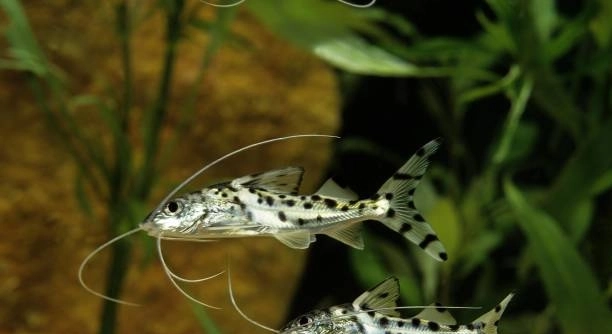
Many people enjoy keeping Pictus Catfish in community tanks due to their lively nature. However, these fish sometimes show signs of stress or aggression toward their tankmates. Understanding their behavior helps create a peaceful aquarium environment.
Pictus Catfish often dislike certain tankmates because of competition for space, territorial instincts, and differences in activity levels. These factors can lead to stress and aggression, affecting their overall well-being and harmony within the tank.
Recognizing the reasons behind this behavior can help you improve your tank setup and foster a calmer atmosphere for all your fish.
Territorial Behavior
Pictus Catfish are naturally territorial, especially in smaller tanks. They like to claim specific areas and may become aggressive if other fish invade their space. This behavior helps them feel secure but can cause conflict. If the tank is overcrowded or lacks hiding spots, stress levels increase, leading to fights or constant chasing. Providing plenty of decorations like plants, caves, or driftwood gives each fish room to claim its own territory. This reduces tension and encourages more peaceful interactions. The more space your Pictus Catfish feels it has, the less likely it is to act aggressively. It’s important to observe how your fish interact and adjust the tank environment accordingly. Sometimes just rearranging the tank can ease territorial disputes. Remember, a calm fish is a healthy fish.
Setting up enough hiding places and adequate space can improve relationships between your Pictus Catfish and its tankmates.
Understanding territorial needs helps you design a tank where your fish can coexist without constant stress.
Differences in Activity Levels
Pictus Catfish are very active swimmers, often exploring the tank at different times than more passive fish. This difference can create tension because slower fish may feel threatened or stressed by their quick movements. Active fish like Pictus Catfish need plenty of room to swim freely, or they might become frustrated. If your tank includes slow-moving or shy species, the constant activity may bother them, causing aggression or avoidance behaviors. Sometimes, the problem is simply incompatible swimming styles. Choosing tankmates with similar energy levels helps reduce stress. Additionally, feeding routines and lighting schedules that suit all fish can balance their activity. By matching your Pictus Catfish with compatible species, you create a more harmonious environment where everyone thrives. Adjusting these factors takes some trial but is worth the effort for peaceful coexistence.
Water Quality Issues
Poor water quality can stress Pictus Catfish and make them irritable toward tankmates. These fish prefer clean, well-oxygenated water with stable parameters. Sudden changes or high levels of toxins may trigger aggressive behavior.
Maintaining proper water conditions is essential for your Pictus Catfish’s health and social behavior. They thrive in water with a pH between 6.5 and 7.5, temperatures ranging from 72°F to 79°F, and low levels of ammonia and nitrites. Regular water changes and good filtration help keep the environment stable. If water quality drops, fish can become stressed, weak, or aggressive. Testing water regularly is a simple way to prevent problems before they start. It also benefits all tank inhabitants by providing a safe and comfortable home.
If your Pictus Catfish is acting hostile, checking water parameters should be a priority. Sometimes small adjustments in filtration or maintenance schedules can calm their behavior. Stress from poor water quality makes fish more likely to compete or fight, so keeping the water clean is one of the easiest ways to improve tank harmony.
Incompatible Tankmates
Pictus Catfish do best with other peaceful, similarly sized fish. Aggressive or overly territorial species cause conflict. Avoiding mismatched tankmates reduces stress for everyone.
Choosing the right companions for your Pictus Catfish is key to a peaceful tank. Large, aggressive fish or fin-nippers can harass them, while overly timid species may become stressed by their active nature. Good tankmates include other bottom dwellers or mid-level swimmers with calm temperaments. Researching each species’ behavior before adding them helps avoid problems. Also, avoid overcrowding since it increases stress and aggression. Even peaceful fish can become hostile when space is limited. Introducing new fish gradually allows your Pictus Catfish to adjust. Observation during the first few days helps catch any signs of trouble early. Incompatible tankmates often cause tension that can be prevented with careful planning.
Lack of Hiding Spots
Pictus Catfish need places to hide and feel secure. Without enough shelters, they become stressed and may act aggressively toward tankmates.
Providing caves, plants, and decorations helps reduce stress by giving them safe retreats. This simple change improves their behavior and overall health.
Overcrowding
Too many fish in one tank causes competition for space and resources. Overcrowding increases stress and can lead to fighting among Pictus Catfish and others.
Reducing the number of fish or upgrading to a larger tank helps create a calmer environment. Giving each fish enough room supports peaceful coexistence.
Feeding Competition
When food is scarce or unevenly distributed, Pictus Catfish may become aggressive. They compete to get enough to eat, leading to tension with tankmates.
Ensuring regular feeding with plenty of food spread throughout the tank prevents competition and promotes harmony.
Stress from Lighting
Bright or constant lighting can stress Pictus Catfish. These fish prefer dimmer environments and need dark periods to feel comfortable and safe.
Why does my Pictus Catfish chase other fish?
Pictus Catfish chase other fish mainly due to territorial behavior or competition for space. When their environment feels crowded or lacks hiding spots, they become more protective of their area. Chasing helps them establish dominance but can stress other tankmates. Ensuring enough room and places to hide reduces chasing behavior.
How can I tell if my Pictus Catfish is stressed?
Signs of stress include hiding constantly, loss of appetite, erratic swimming, or aggressive behavior like chasing or nipping. They may also show faded colors or lethargy. Stress often results from poor water quality, incompatible tankmates, or insufficient hiding spots. Addressing these causes helps your fish feel more secure.
Can Pictus Catfish live with aggressive fish?
Pictus Catfish do not do well with aggressive species. Aggressive fish can injure or intimidate them, causing stress or injury. It’s best to keep Pictus Catfish with peaceful, similarly sized fish. If aggressive fish are present, conflicts are likely and could harm your Pictus Catfish.
What tank size is best for Pictus Catfish?
A tank of at least 30 gallons is recommended for a small group of Pictus Catfish. These fish are active swimmers and need space to move freely. Larger tanks help reduce territorial disputes and provide enough room for other species. Overcrowding often leads to stress and aggression.
How often should I feed my Pictus Catfish?
Feed your Pictus Catfish once or twice daily with a balanced diet of sinking pellets, frozen or live foods like bloodworms and brine shrimp. Avoid overfeeding to keep water quality high. Spread food evenly to prevent competition and ensure all fish get enough.
Do Pictus Catfish need special water conditions?
Yes, they prefer clean, well-oxygenated water with a temperature between 72°F and 79°F and a pH of 6.5 to 7.5. Stable water parameters reduce stress and prevent illness. Regular testing and water changes are important to maintain these conditions.
Why does my Pictus Catfish hide so much?
Hiding is normal behavior, especially if the tank lacks sufficient cover or if the fish feels threatened. Providing caves, plants, or decorations gives them safe spaces. Too much hiding could also indicate stress or poor water quality, so checking those factors is important.
Can lighting affect my Pictus Catfish’s behavior?
Yes, Pictus Catfish prefer dim lighting or shaded areas in the tank. Bright or constant light can stress them, making them more aggressive or withdrawn. Using adjustable lighting and providing shaded spots helps create a comfortable environment.
What are common tankmates for Pictus Catfish?
Good tankmates include peaceful mid-sized fish like tetras, danios, or other calm bottom dwellers. Avoid aggressive or very small fish that may be bullied or eaten. Choosing compatible species reduces stress and promotes a balanced tank community.
How do I reduce aggression in my Pictus Catfish?
To reduce aggression, increase tank size, provide hiding spots, maintain good water quality, and select compatible tankmates. Feeding evenly and regularly also helps. Sometimes rearranging the tank can reset territorial claims and lower tension. Consistent care creates a peaceful environment.
When keeping Pictus Catfish in a community tank, it is important to understand their behavior and needs. These fish can sometimes show aggression or dislike certain tankmates, but this is often due to environmental factors. Proper tank setup, including enough space, hiding spots, and compatible companions, plays a big role in reducing tension. Paying attention to water quality and feeding routines also helps keep your Pictus Catfish calm and healthy. By creating a comfortable environment, you improve the chances that your fish will live peacefully with others.
Pictus Catfish are active and territorial by nature, so their behavior is not always a sign of a problem but rather a response to their surroundings. Providing a tank that meets their needs will allow them to express natural behaviors without causing harm to other fish. Overcrowding or poor water conditions can increase stress and lead to fights. On the other hand, a clean, spacious tank with plenty of hiding places can prevent many issues. Choosing tankmates that share similar temperaments and activity levels also contributes to a more balanced aquarium. Being mindful of these factors helps you avoid unnecessary aggression and supports the overall health of your aquatic pets.
Taking the time to observe your Pictus Catfish and adjust their environment as needed is key to long-term success. Small changes such as adding plants or rearranging decorations can make a big difference in their comfort. Regular water testing and maintenance are essential to keep conditions stable. Feeding your fish properly and making sure each one has enough food will reduce competition and stress. By understanding the reasons behind your Pictus Catfish’s behavior, you can create a peaceful tank where all fish coexist happily. This thoughtful approach makes caring for your aquarium more rewarding for both you and your fish.

Hello,
If you enjoy the content that we create, please consider saying a "Thank You!" by leaving a tip.
Every little bit helps us continue crafting quality advice that supports the health, happiness, and well-being of pets around the world, for pets of all shapes, sizes, and species.
We really appreciate the kindness and support that you show us!