
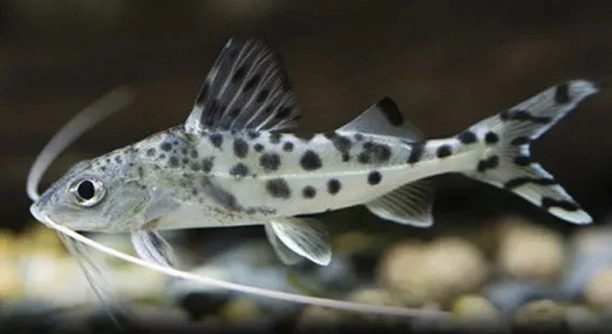
Pictus catfish are popular freshwater fish known for their active behavior and distinctive spotted pattern. Many fishkeepers enjoy watching them grow and thrive in home aquariums. Understanding their growth timeline helps provide better care and environment.
A pictus catfish typically reaches full size between 9 and 12 months of age, growing up to 5 to 6 inches in length. Growth rates depend on factors like diet, tank conditions, and overall health, which influence their development speed.
Knowing when your pictus catfish is fully grown helps ensure you maintain the right tank setup and meet its specific needs as it matures.
Growth Stages of Pictus Catfish
Pictus catfish go through several growth stages from fry to adult. In the first few weeks, they grow rapidly but remain quite small, typically less than an inch. During this early phase, providing a high-protein diet helps support healthy development. As they reach a few months old, their growth rate slows down, and their spots become more defined. By six months, they begin to resemble adult fish in shape and pattern but are still smaller. Proper tank size and water quality become important at this stage, as overcrowding or poor conditions can stunt their growth. By 9 to 12 months, most pictus catfish reach their full adult size, usually about 5 to 6 inches. Beyond this age, their growth nearly stops, and they focus more on maintaining health and coloration. Monitoring their diet and environment through all stages ensures they develop well.
Adult pictus catfish generally maintain their size after the first year, with little change beyond that point.
Regular observation during growth stages helps catch any health or environmental issues early, keeping your fish active and vibrant.
Tank Size and Environment for Growing Pictus Catfish
Providing the right tank environment is crucial for healthy growth. A tank of at least 30 gallons is recommended to accommodate their activity and size comfortably. Proper filtration and aeration are necessary to maintain clean, oxygen-rich water, which supports their metabolism and growth. Pictus catfish prefer dim lighting and hiding spots like plants or driftwood, which reduce stress and encourage natural behavior. Avoid overcrowding since it can lead to poor water quality and competition for food. Maintaining stable water parameters, including temperature between 75°F and 80°F, helps promote steady growth. Regular water changes also prevent harmful buildup of waste. Creating an environment close to their natural habitat supports overall well-being and longevity, making them more resilient as they mature. A well-maintained tank ultimately results in healthier, fully grown pictus catfish that display their best colors and energy.
Feeding Your Pictus Catfish
Pictus catfish need a balanced diet to grow properly. They are omnivores and enjoy both protein and plant-based foods. Feeding them regularly supports healthy development and vibrant coloration.
A varied diet includes sinking pellets, live or frozen foods like bloodworms and brine shrimp, and occasional vegetables such as zucchini or cucumber. Overfeeding can cause water quality problems, so feed small amounts two to three times a day. Consistent feeding encourages steady growth and helps maintain energy levels.
Avoid feeding only one type of food. Offering variety ensures your pictus catfish receive all necessary nutrients, promoting a longer, healthier life. Proper feeding routines also reduce aggression during meal times and help your fish feel secure in their environment.
Signs Your Pictus Catfish Is Fully Grown
Fully grown pictus catfish measure between 5 and 6 inches. Their body shape and spots become stable, and their behavior settles into adult patterns.
Growth slows significantly after one year, and fish will no longer increase noticeably in size. Fully grown catfish tend to be more active during feeding and explore their tank confidently. Their fins are fully developed, and colors are at their most vibrant. Watching these signs helps confirm your fish has reached maturity. Maintaining good care after this stage ensures they stay healthy for years.
Common Growth Issues in Pictus Catfish
Sometimes pictus catfish may stop growing as expected. Poor water quality or inadequate nutrition often cause this issue. Regular tank maintenance and a balanced diet are essential to prevent growth problems.
Stress from overcrowding or aggressive tank mates can also slow growth. Ensuring a peaceful environment helps your fish thrive and reach full size.
How to Measure Your Pictus Catfish’s Growth
Measuring your pictus catfish is easiest with a ruler alongside the tank. Measure from the tip of the nose to the base of the tail fin. Tracking their size every few weeks helps monitor healthy growth and detect any problems early.
Tank Mates That Affect Growth
Some tank mates may stress pictus catfish, impacting their growth. Choose peaceful fish that share similar water needs to encourage steady development.
When to Adjust Tank Conditions
If growth slows or stops, reassess tank size, water quality, and feeding routines. Small changes can make a big difference in helping your pictus catfish grow properly.
FAQ
How long does it take for a pictus catfish to reach full size?
Most pictus catfish reach their full adult size between 9 and 12 months. Their growth is fastest in the first few months and slows as they approach maturity. Good diet and water conditions help them grow steadily during this time.
What size tank is best for a fully grown pictus catfish?
A minimum of 30 gallons is recommended for adult pictus catfish. This size allows enough space for swimming and reduces stress. Larger tanks help maintain water quality, which supports their health and growth.
What should I feed my pictus catfish to promote growth?
Feed a mix of sinking pellets, live or frozen foods like bloodworms, and occasional vegetables such as zucchini. A balanced diet with variety ensures they get the nutrients needed for proper growth and health.
Can poor water quality affect my pictus catfish’s growth?
Yes, poor water quality can stunt growth and cause health issues. Regular water changes and good filtration are essential to keep the tank clean and the fish healthy.
How can I tell if my pictus catfish is stressed?
Signs of stress include hiding frequently, loss of appetite, or unusual swimming behavior. Stress can slow growth, so addressing tank conditions and reducing aggressive tank mates helps your fish feel secure.
Do pictus catfish grow after one year?
After about one year, their growth significantly slows or stops. Most pictus catfish reach their full size by this time, focusing more on maintaining health and coloration.
Is it okay to keep pictus catfish with other fish?
Yes, but choose peaceful species that won’t compete aggressively for food or territory. Avoid large or aggressive fish that could stress or harm the catfish, affecting their growth and wellbeing.
How often should I measure my pictus catfish?
Measuring every few weeks is enough to track growth without causing stress. Use a ruler alongside the tank and note their size to catch any growth issues early.
What are common reasons for slow growth in pictus catfish?
Slow growth often results from poor diet, overcrowding, bad water conditions, or stress from aggressive tank mates. Ensuring a balanced diet and proper environment helps prevent these issues.
Can overfeeding cause problems for pictus catfish?
Overfeeding can harm water quality and cause obesity in fish. Feeding small amounts two to three times a day prevents waste buildup and promotes healthy growth.
What temperature is best for pictus catfish growth?
Keep the water temperature between 75°F and 80°F. Stable temperatures in this range support metabolism and growth, keeping your fish active and healthy.
Do pictus catfish need hiding places as they grow?
Yes, hiding places like plants or driftwood reduce stress and help them feel secure. This is important throughout their life and can improve their overall health and growth.
How can I encourage faster growth in my pictus catfish?
Provide a balanced diet, clean water, adequate tank space, and a stress-free environment. Consistent care and attention to these details support steady, healthy growth.
What signs show that a pictus catfish has reached maturity?
A fully grown pictus catfish has stable size around 5 to 6 inches, well-defined spots, developed fins, and confident behavior in the tank.
Is it normal for pictus catfish to stop growing suddenly?
Growth slowing or stopping after one year is normal. Sudden growth stops before this age could indicate health or environmental problems that need to be addressed.
Understanding when a pictus catfish is fully grown helps in providing the right care throughout its life. These fish generally reach their adult size between 9 and 12 months. By knowing this timeline, you can better plan the tank size, feeding schedule, and environment to meet their needs as they grow. Proper care during this period supports not only growth but also the overall health and longevity of the fish.
Taking care of a pictus catfish involves more than just watching it grow. Maintaining clean water, providing a balanced diet, and keeping a peaceful tank environment are all essential. Growth can be affected by poor water quality, overcrowding, or stress from aggressive tank mates. By addressing these factors early, you help your fish develop strong and vibrant. Observing your fish’s behavior and appearance regularly allows you to catch any issues before they become serious.
Even after your pictus catfish has reached full size, care remains important. Adult fish need a stable environment to stay healthy and active. Providing hiding spots and proper nutrition keeps them comfortable and brightens their colors. Paying attention to their needs at every stage helps ensure they live a long, happy life in your aquarium. Consistency and proper care make a big difference for your fish’s wellbeing.

Hello,
If you enjoy the content that we create, please consider saying a "Thank You!" by leaving a tip.
Every little bit helps us continue crafting quality advice that supports the health, happiness, and well-being of pets around the world, for pets of all shapes, sizes, and species.
We really appreciate the kindness and support that you show us!