
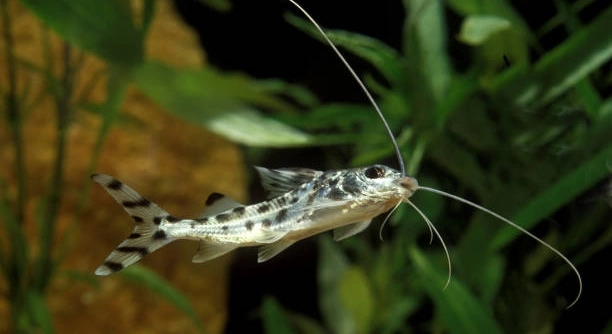
Are your Pictus Catfish showing signs of sluggishness or unusual behavior? These active fish need careful feeding to stay healthy and lively. Overfeeding is a common issue that can harm their well-being if not managed properly.
Overfeeding Pictus Catfish often leads to obesity, poor water quality, and digestive problems. Excess food decomposes in the tank, increasing harmful bacteria and stressing the fish. Monitoring feeding amounts and frequency is essential to prevent these health risks.
Knowing the signs of overfeeding can help you maintain a balanced environment for your catfish and keep them thriving in your aquarium.
Signs Your Pictus Catfish Is Overfed
When your Pictus Catfish is overfed, there are some clear signs to watch for. One of the first things you might notice is that your fish becomes less active. Instead of swimming around energetically, it may spend more time resting at the bottom of the tank. Another sign is bloating or a swollen belly, which shows the fish is carrying too much food inside. You might also see uneaten food settling on the tank floor, which can make the water dirty. Overfed fish sometimes have trouble swimming properly because of the extra weight. In some cases, their fins may look dull or damaged, and their overall health can decline. It’s important to watch these signs early to prevent bigger health problems.
Overfeeding often leads to a messy tank, which affects water quality and the fish’s comfort.
Keeping the tank clean and feeding your Pictus Catfish the right amount will help avoid these issues and keep your fish happy.
How Much Should You Feed Your Pictus Catfish?
Feeding your Pictus Catfish the right amount is key to its health.
Generally, small feedings once or twice a day are enough. Each feeding should be only as much as the fish can eat within a few minutes. Overfeeding happens when food is given in large amounts or too often. This extra food not only harms your fish but also causes water pollution.
To avoid overfeeding, offer small portions of sinking pellets or frozen foods like bloodworms. Watch your fish while it eats and remove any leftovers. If your fish seems hungry all the time, resist the urge to feed more. Pictus Catfish have slow metabolisms and do well with controlled feeding.
Feeding less but more frequently often works better than giving large meals. This helps maintain water quality and keeps your catfish healthy for a long time.
Effects of Overfeeding on Water Quality
Overfeeding causes leftover food to decay in the tank. This decay produces harmful substances like ammonia and nitrites, which can poison your fish. Poor water quality makes the tank environment stressful and unhealthy.
The buildup of uneaten food and fish waste can quickly unbalance your aquarium’s ecosystem. Harmful chemicals increase, causing cloudy water and unpleasant odors. This forces your filtration system to work harder, often failing to keep the tank safe. When water quality declines, fish can develop infections or suffer from respiratory issues. Over time, repeated overfeeding may lead to algae blooms, which further reduce oxygen levels in the tank. Keeping feeding controlled helps maintain clear water and a healthier habitat for your catfish.
Regular water tests and cleanings are essential to manage this problem. Promptly removing excess food and waste prevents dangerous spikes in toxins. This simple care step supports your fish’s health and tank stability.
How to Adjust Feeding Habits
Feeding habits must be adjusted if overfeeding has become a problem. Start by reducing the amount of food offered at each feeding. Offer smaller portions that your catfish can finish quickly. It’s better to feed little and often than to give large meals that result in leftovers. Observe your fish’s eating behavior closely and cut back if food remains uneaten.
Switching to high-quality, nutrient-rich foods can also help. These foods satisfy your catfish with less quantity, reducing waste. You might also try feeding every other day or skipping one feeding occasionally to give the fish’s digestive system time to process properly. Gradually adjusting feeding habits avoids stress and helps your catfish regain a healthy weight.
Consistency is key. Once you find the right feeding routine, stick with it to prevent overfeeding from returning.
Preventing Overfeeding
Preventing overfeeding starts with careful portion control. Measure the food before feeding to avoid giving too much at once.
Stick to a regular feeding schedule and resist the urge to feed your catfish outside these times. Consistency keeps your fish healthy.
Signs of a Healthy Feeding Routine
A healthy feeding routine shows in your catfish’s behavior and appearance. Your fish should be active, alert, and swim normally after meals. Its belly should look smooth, not swollen or bloated. Leftover food should be minimal or none at all, indicating your catfish is eating the right amount. Clear water and stable tank conditions also reflect good feeding habits.
Importance of Tank Maintenance
Regular tank maintenance helps reduce risks related to overfeeding. Cleaning uneaten food and waste prevents toxic buildup, keeping the water safe.
Feeding Tools to Help Control Portions
Using feeding tools like small scoops or automatic feeders helps manage how much food your catfish gets.
FAQ
How can I tell if my Pictus Catfish is eating too much?
You may notice your catfish becomes less active or appears bloated. Uneaten food in the tank is another clear sign. Overfed fish may have trouble swimming properly or show dull fins. Watching your fish closely during feeding times helps you catch these signs early.
What happens if I feed my Pictus Catfish too often?
Feeding too frequently can lead to overfeeding, causing poor water quality and health issues for your fish. The extra food breaks down in the water, raising harmful toxins. This stresses your catfish and can lead to illness or even death if not corrected.
Can overfeeding cause disease in my Pictus Catfish?
Yes. Overfeeding weakens your fish’s immune system and can cause digestive problems. The poor water conditions from leftover food promote harmful bacteria and parasites, increasing the chance of infections and other diseases.
How often should I feed my Pictus Catfish?
Generally, feeding once or twice daily with small portions is enough. The amount should be what your catfish can finish in about three minutes. Avoid feeding more often unless recommended by a vet or experienced aquarist.
What type of food is best for Pictus Catfish?
Sinking pellets are ideal because Pictus Catfish are bottom feeders. You can also offer frozen or live foods like bloodworms or brine shrimp. These provide good nutrition and help keep your catfish interested in their meals without overfeeding.
What should I do if I think my catfish is overfed?
Stop feeding for a day or two to allow your fish’s digestive system to catch up. Test and clean the tank water to remove toxins. Reduce future feedings and watch your fish’s behavior closely. If health problems persist, seek advice from an aquarium specialist.
How do I clean leftover food from the tank?
Use a siphon or gravel vacuum during water changes to remove uneaten food and waste. Regular cleaning helps prevent toxin buildup and keeps the environment safe. Avoid disturbing the fish too much while cleaning.
Can I use an automatic feeder for my Pictus Catfish?
Yes, automatic feeders can help control portion sizes and feeding times. They prevent overfeeding by delivering small, measured amounts of food. Make sure to choose a feeder designed for sinking pellets or the type of food your catfish prefers.
Is it normal for Pictus Catfish to beg for food?
They may seem hungry and swim eagerly during feeding times, but this does not always mean they need more food. Pictus Catfish can be persistent, so controlling portions is important despite their appetite.
How does overfeeding affect other fish in the tank?
Extra food and waste can harm all tank inhabitants by degrading water quality. Poor conditions increase stress and disease risk for all fish, not just the Pictus Catfish. Feeding the right amounts benefits the whole aquarium community.
Overfeeding a Pictus Catfish can lead to several problems, both for the fish and the aquarium environment. It is important to feed these fish the right amount to keep them healthy and active. When Pictus Catfish receive too much food, it can cause them to become bloated and slow, which affects their overall well-being. Uneaten food also pollutes the water, creating a harmful environment for all the fish in the tank. Maintaining a proper feeding routine helps avoid these issues and keeps the aquarium balanced.
Feeding small portions once or twice a day is usually enough for Pictus Catfish. Watching how much your fish eats during each feeding is key. If food remains uneaten, it is a sign that you need to reduce the amount given. Overfeeding can happen easily because these fish seem to always be hungry, but controlling portion size prevents health problems. Using high-quality sinking pellets and occasional live or frozen foods offers the nutrition your catfish needs without overloading the tank with waste. Regular observation of your fish’s behavior and body condition can help you adjust feeding as needed.
Tank maintenance also plays a big role in managing the effects of overfeeding. Cleaning leftover food and waste prevents harmful substances from building up in the water. This keeps the tank safe and comfortable for your Pictus Catfish and any other fish you have. Regular water changes and monitoring water quality support a healthy environment. Together, proper feeding and tank care ensure your catfish stay healthy and enjoy a good quality of life. Paying close attention to these factors makes a big difference in the success of your aquarium.

Hello,
If you enjoy the content that we create, please consider saying a "Thank You!" by leaving a tip.
Every little bit helps us continue crafting quality advice that supports the health, happiness, and well-being of pets around the world, for pets of all shapes, sizes, and species.
We really appreciate the kindness and support that you show us!