
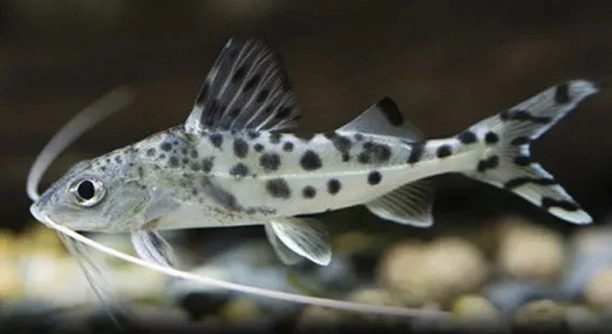
Many fish owners enjoy keeping pictus catfish because of their active nature and unique appearance. Feeding them the right amount is important to keep them healthy and happy. Knowing the proper feeding routine helps avoid common mistakes.
Pictus catfish should be fed once or twice daily with a small amount of food they can finish within a few minutes. Overfeeding can lead to water quality issues and health problems, so careful portion control is essential for their wellbeing.
Learning how to feed your pictus catfish properly will improve their health and your aquarium’s environment. This article will help you create a balanced feeding plan tailored to their needs.
Understanding the Feeding Needs of Pictus Catfish
Pictus catfish are bottom dwellers that prefer to eat after the lights go off or when the tank is quiet. Their natural diet mainly consists of small insects, crustaceans, and plant matter. In an aquarium, this means they need a balanced diet with protein-rich foods and some plant-based options. Overfeeding can cause leftover food to rot, which harms water quality and the fish’s health. It’s best to feed them sinking pellets, frozen or live foods like bloodworms and brine shrimp. Watching how quickly they eat can help determine the right portion size. Feeding too much not only stresses the fish but also leads to unnecessary cleaning and water changes. Keeping the feeding schedule consistent will help your pictus catfish stay healthy and active.
Feeding once or twice a day with careful portion control is ideal.
A well-planned feeding routine keeps your aquarium clean and the fish healthy. It also helps you notice any changes in their behavior or appetite early, which is important for preventing health problems.
Signs Your Pictus Catfish is Well Fed
Pictus catfish that are properly fed will be active and show interest in food during feeding times.
If they swim around looking for food and eagerly accept what you offer, they are likely getting enough to eat. Healthy fish have bright colors and smooth fins. However, if they hide all day, lose weight, or avoid food, it might mean they are hungry or stressed. On the other hand, slow swimming and bloating can be signs of overfeeding. By observing these signs, you can adjust their diet as needed to maintain their health. Feeding is more than a routine; it’s a way to understand your fish’s wellbeing. Watching your pictus catfish closely gives clues on how to improve their care and keep them thriving in your aquarium.
Best Types of Food for Pictus Catfish
Pictus catfish thrive on a varied diet that includes sinking pellets, live foods, and frozen options.
Sinking pellets are convenient and designed to reach the bottom where pictus catfish feed. Live foods like bloodworms and brine shrimp offer essential protein and stimulate natural hunting behavior. Frozen foods are a good alternative to live food and keep the diet balanced. Occasionally, you can offer small vegetable pieces like zucchini or cucumber to add fiber. Avoid flake foods since they often float and are not suitable for bottom feeders. A mix of these food types ensures your pictus catfish receives all the nutrients it needs.
Choosing the right food keeps your pictus catfish healthy and active. It also mimics their natural feeding habits, which supports their overall wellbeing. By offering variety, you prevent boredom and promote natural instincts, making their diet both nutritious and interesting.
Feeding Frequency and Portion Control
Feeding pictus catfish too often can harm their health and water quality.
It’s best to feed them small amounts once or twice a day, making sure they finish the food within five minutes. Overfeeding leads to leftover food that pollutes the tank, causing stress and illness. Underfeeding, on the other hand, can cause malnutrition and weaken their immune system. Watching their behavior during feeding times helps you adjust portions correctly. Small, frequent meals work better than one large feeding to keep their metabolism steady and energy up. Consistency in feeding time also reduces stress and builds a routine that your fish can rely on.
By controlling both frequency and portion size, you maintain a stable and healthy environment. This practice helps avoid common aquarium problems like algae blooms and poor water conditions, ensuring your pictus catfish lives longer and stays more vibrant.
Common Feeding Mistakes to Avoid
Feeding pictus catfish too much or too little can cause health issues. Avoid giving them floating food since it doesn’t reach their bottom-feeding nature.
Ignoring signs of hunger or overfeeding can lead to stress and poor water quality, harming your fish over time.
Adjusting Feeding for Different Ages
Young pictus catfish need more frequent feedings, usually two to three times daily, to support growth. Adult fish do well with one or two feedings a day. Adjust the portion size as they grow, making sure not to overfeed.
Monitoring their activity and appetite helps guide the right amount. Feeding too much as they mature can cause obesity, while too little may stunt growth and weaken their immune system.
Feeding Tips for a Healthy Aquarium
Feed only what your pictus catfish can eat in a few minutes. Remove any uneaten food quickly to keep water clean.
Treats and Supplements
Offering occasional treats like freeze-dried bloodworms is fine, but keep these limited to avoid unbalanced nutrition.
FAQ
How often should I feed my pictus catfish?
Feeding your pictus catfish once or twice a day is enough. Make sure to give only the amount they can finish within five minutes. This helps prevent overfeeding, which can harm both the fish and the aquarium’s water quality.
What kind of food is best for pictus catfish?
Sinking pellets are a good staple because they reach the bottom where pictus catfish feed. Live or frozen foods like bloodworms and brine shrimp provide important protein and variety. Occasionally, small bits of vegetables like zucchini can be offered for fiber. Avoid flake foods because they float and aren’t suitable for bottom feeders.
Can I overfeed my pictus catfish?
Yes, overfeeding is a common mistake. It leads to leftover food that pollutes the tank and causes poor water quality. This can stress your fish and increase the risk of illness. Stick to small portions and observe how much your fish eat during feeding time.
How do I know if my pictus catfish is hungry?
Signs of hunger include swimming actively near the bottom, searching for food, and eagerly eating when fed. If they ignore food or hide, they may be stressed, sick, or already full. Watching these behaviors helps you adjust feeding amounts.
Should I feed my pictus catfish live food only?
No, a varied diet is best. While live foods like bloodworms are nutritious and encourage natural hunting, relying on them exclusively can be expensive and impractical. Combining live, frozen, and sinking pellets offers balanced nutrition and convenience.
Can pictus catfish eat vegetables?
Yes, they can nibble on small pieces of vegetables such as zucchini or cucumber. This provides fiber and variety but should only be a small part of their diet since they need protein primarily.
What happens if I feed my pictus catfish too little?
Underfeeding can cause weight loss, weak immune systems, and poor growth, especially in young fish. It’s important to give enough food to meet their energy needs without overfeeding.
Is it okay to feed pictus catfish once a day?
Feeding once a day is acceptable if the portion is enough and your fish stay active and healthy. Some keepers prefer twice a day with smaller amounts to keep metabolism steady, but once daily feeding can work well with proper portion control.
How do I prevent leftover food in the tank?
Feed small amounts that the fish can eat quickly. Remove any uneaten food after five minutes to keep water clean. This practice helps avoid water pollution and reduces the risk of algae growth and fish health problems.
Can I give treats to my pictus catfish?
Occasional treats like freeze-dried bloodworms are fine but keep them limited. Too many treats can unbalance their diet. Treats should not replace their main food sources.
Does feeding change with seasons or water temperature?
Yes, pictus catfish metabolism slows down in cooler water, so they need less food. In warmer water, their metabolism increases, and they may eat more. Adjust feeding amounts accordingly and watch their activity for guidance.
Are there signs of overfeeding besides leftover food?
Yes, bloating, slow swimming, and lethargy can be signs of overfeeding. Monitor your fish regularly and reduce portions if you see these symptoms.
Can pictus catfish eat flake food?
Flake food is not ideal because it floats and doesn’t reach the bottom where pictus catfish feed. It also may lack the nutrients they need. Stick to sinking pellets and other bottom-feeding options.
How can I introduce new food to my pictus catfish?
Introduce new foods slowly by mixing small amounts with their usual diet. Watch how they react and make sure they accept it. Sudden changes can stress fish, so gradual introduction is best.
What should I do if my pictus catfish refuses to eat?
Check the water quality and tank conditions first, as poor water can cause stress and loss of appetite. Try offering live or frozen foods to entice them. If the problem continues, consult a vet or fish expert to rule out illness.
These answers aim to help you care for your pictus catfish with confidence. Keeping feeding simple, consistent, and balanced supports their health and happiness in your aquarium.
Feeding your pictus catfish the right amount and type of food is important for their health and well-being. These fish are bottom feeders, so offering sinking pellets along with live or frozen protein-rich foods works best. Sticking to a feeding routine of once or twice daily helps keep their metabolism steady and prevents overfeeding. Overfeeding can cause leftover food to pollute the tank, which harms both the fish and the water quality. By controlling portion sizes and feeding frequency, you create a healthy environment where your pictus catfish can thrive.
Watching your fish’s behavior during feeding times gives important clues about their health. If they eagerly accept food and swim actively, it usually means they are well-fed and comfortable. On the other hand, if they avoid food or hide, it might signal stress, illness, or feeding issues. Adjusting the diet and feeding schedule based on what you observe helps prevent common problems and supports long-term health. Including variety in their diet, like small amounts of vegetables along with protein, adds balance and keeps them interested.
Maintaining a clean tank is also connected to feeding habits. Removing any uneaten food quickly prevents water pollution and keeps your aquarium stable. Healthy water conditions make it easier for pictus catfish to digest food and absorb nutrients properly. Overall, feeding your pictus catfish with care and attention leads to stronger fish and a more enjoyable aquarium. Being consistent with feeding times, portions, and food types makes a big difference in their quality of life. Taking these simple steps helps ensure your pictus catfish remain healthy, active, and happy.

Hello,
If you enjoy the content that we create, please consider saying a "Thank You!" by leaving a tip.
Every little bit helps us continue crafting quality advice that supports the health, happiness, and well-being of pets around the world, for pets of all shapes, sizes, and species.
We really appreciate the kindness and support that you show us!