
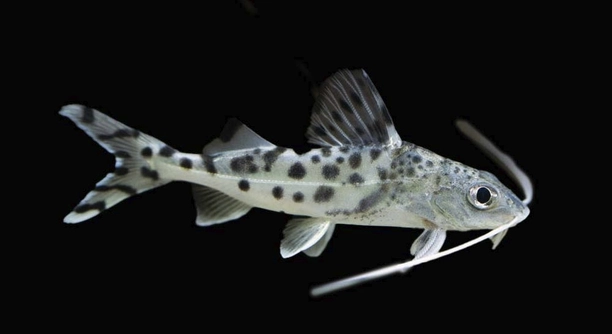
Are your pictus catfish constantly swimming around, making you wonder if they prefer to be in pairs or in larger groups?
Pictus catfish are naturally social and prefer living in groups rather than pairs. In the wild, they form loose shoals for safety and comfort. Keeping them in groups reduces stress and supports healthier, more active behavior.
Understanding their social needs can help improve their quality of life and ensure a peaceful environment in your aquarium.
Why Pictus Catfish Prefer Groups Over Pairs
In their natural habitat, pictus catfish live in murky rivers and streams where they swim in small shoals for protection and comfort. They are naturally active and fast swimmers, and being in a group allows them to feel safe and behave more normally. When kept alone or just in pairs, they tend to hide more, become skittish, or show signs of stress. Group living not only encourages healthy behavior but also reduces territorial issues that might occur with only two fish. A group of four or more tends to create a balanced environment. With enough swimming space and hiding spots, these fish thrive together. Watching a group interact and explore can also be more rewarding for you as an aquarist. Providing a school mimics their natural setting and supports their overall well-being in captivity.
Keeping just two pictus catfish can often lead to chasing or stress, as they do better in social clusters.
Make sure your tank is large enough to support a group comfortably. A minimum of 75 gallons is usually recommended for four or more pictus catfish. Each fish needs space to swim freely, and overcrowding can lead to aggression or illness. Include driftwood, rocks, and low lighting to help replicate their native environment. Avoid pairing them with slow or long-finned fish, as pictus are quick and may cause unintentional stress to calmer species. Stick with tank mates that are similar in size and temperament. Regular water changes and strong filtration are also essential due to their high activity and feeding needs. Feeding them a varied diet of sinking pellets, bloodworms, and other meaty foods will help maintain their health. Watching a well-kept group of pictus glide through the tank shows just how social and lively they can be in the right setup.
Signs Your Catfish May Be Lonely
When kept alone or in pairs, pictus catfish may display unusual behavior such as excessive hiding, frantic swimming, or a loss of appetite.
These signs often appear when their social needs aren’t being met. While pictus catfish aren’t aggressive by nature, they can become restless and skittish without the company of their own kind. Their natural rhythm depends on group interaction. Lack of social engagement may lead to erratic swimming or stress-related illness. You might also notice them being overly reactive to tank movement or changes. To support their health, it’s best to create a community that mirrors their native environment. This doesn’t mean overstocking your tank, but rather finding a healthy balance. Adding more pictus catfish to an appropriate-sized tank can help reduce anxiety and promote natural behavior. With a stable group, they become more confident, explore more often, and interact more harmoniously with tank mates.
How Tank Setup Affects Group Behavior
A well-planned tank setup helps pictus catfish feel secure and encourages natural group behavior. Poor environments can lead to hiding, stress, and reduced activity, even when kept in groups.
Start with a tank size of at least 75 gallons to give your pictus catfish enough room to swim together. Use a soft substrate like sand to protect their sensitive barbels. Add driftwood, caves, and plants to create shaded areas where they can rest without feeling exposed. Strong filtration is important, as they produce a lot of waste. Use a gentle current to mimic river flow, but avoid intense turbulence. Low lighting or dim conditions will help them stay calm and active. Avoid using bright lights or leaving the tank uncovered. These simple changes can greatly improve how your fish interact, especially when they are kept in social groups.
Temperature and water quality also influence group dynamics. Keep the water temperature between 72–80°F, and monitor ammonia, nitrite, and nitrate levels closely. Sudden changes or poor conditions can cause even healthy fish to become reclusive. When housed in a properly maintained tank, pictus catfish tend to swim more confidently in groups, feeding more regularly and showing fewer signs of stress. Use a reliable test kit to check water parameters weekly. Perform regular water changes—at least 25% every week—to maintain consistency. Stress from poor water quality can lead to illness or conflict, especially in more active species like pictus catfish. Good maintenance and thoughtful design help create a peaceful group dynamic and support your fish’s long-term health.
Choosing the Right Tank Mates
Pictus catfish do best with peaceful fish that match their size and activity level. Small or slow-moving species may get stressed around them.
Ideal tank mates include silver dollars, rainbowfish, or other medium-sized catfish like Corydoras. Avoid aggressive or territorial fish that may compete for space or food. Since pictus catfish are active swimmers, they need companions that won’t be easily startled. It’s important to choose fish that prefer similar water conditions and diets. Never pair them with small species that can fit in their mouth, as they are opportunistic feeders. Watching them swim alongside compatible tank mates creates a balanced and engaging aquarium environment.
While pictus catfish aren’t aggressive, they may nip or bump into fish with long fins or slow movement. Stick to species that can hold their own without provoking tension. Good lighting, space, and hiding spots reduce stress and prevent conflicts between different species. Observe how the fish interact, especially when introducing new tank mates. If you notice bullying or excessive chasing, you may need to adjust your setup or rehome incompatible fish. Feeding everyone at the same time in different tank areas also helps reduce competition. A peaceful tank benefits the entire group, encouraging natural activity and calm behavior. Choosing the right tank mates plays a big role in the success of keeping pictus catfish in a healthy, balanced aquarium.
Group Size and Social Balance
Keeping a group of at least four pictus catfish helps prevent stress and encourages natural shoaling behavior. Smaller groups may lead to aggression or restlessness, while a proper group creates a calm and balanced atmosphere in the tank.
Avoid overcrowding by ensuring your tank has enough space and hiding spots. More fish doesn’t always mean better results—balance is key. A stable group in the right setup will interact more peacefully, swim together, and explore the tank more confidently.
Feeding Behavior in Groups
Pictus catfish become more active and confident during feeding time when kept in groups. They naturally compete for food, which encourages them to eat faster and more consistently. Offer a variety of sinking foods like pellets, frozen bloodworms, and brine shrimp. Spread the food across different areas of the tank so all fish get a fair share. Avoid overfeeding, as it can pollute the water quickly. Feed once or twice a day in small amounts. Observe how each fish behaves during feeding to catch any signs of stress or illness early. A healthy group feeds with energy and coordination.
Nighttime Activity
Pictus catfish are mostly active at night, often swimming together in short bursts. A group setup lets them feel safer during their peak activity hours.
How many pictus catfish should I keep together?
A group of at least four pictus catfish is recommended to encourage natural behavior and reduce stress. Smaller numbers may lead to aggression or nervousness. With four or more, they form a loose shoal and feel more secure, swimming and feeding more confidently. The tank size should support this group size comfortably.
Can pictus catfish live happily in pairs?
Pairs of pictus catfish are less ideal because these fish are social by nature and prefer groups. In pairs, they may become shy or territorial, sometimes hiding more or acting skittish. Groups provide social stimulation that pairs cannot, so while pairs can survive, they usually do not thrive as well as groups.
What size tank is suitable for a group of pictus catfish?
A minimum tank size of 75 gallons is suggested for a group of four or more pictus catfish. These fish are active swimmers and need plenty of room to move around comfortably. A larger tank also allows for proper filtration, stable water conditions, and enough hiding places to reduce stress.
Do pictus catfish get along with other fish?
Pictus catfish are generally peaceful but are best kept with similarly sized, non-aggressive fish. Good tank mates include silver dollars, rainbowfish, and Corydoras catfish. Avoid very small or slow-moving fish, as pictus may accidentally stress or nip at them during their active swimming.
What do pictus catfish eat?
They are omnivores that prefer a varied diet. Sinking pellets, frozen or live bloodworms, brine shrimp, and occasional vegetable matter work well. Feeding should be done once or twice daily, in small amounts to prevent water pollution. Observing feeding behavior helps ensure all fish get enough food.
How do I know if my pictus catfish are stressed?
Signs of stress include excessive hiding, loss of appetite, erratic swimming, or aggression. Stress often occurs if they are kept alone or in pairs, or if the tank conditions are poor. Improving water quality, adding hiding spots, and keeping them in proper social groups usually helps reduce stress.
Can pictus catfish live with long-finned species?
It’s best to avoid long-finned or slow fish as tank mates. Pictus catfish are quick and active swimmers and may unintentionally nip fins, causing stress or injury. Choose fast, similarly sized species to maintain harmony in the tank.
What water conditions do pictus catfish prefer?
They thrive in water temperatures between 72–80°F, with a pH of 6.5–7.5. Stable water parameters are important, so regular testing and water changes are necessary. Strong filtration with gentle current mimics their natural river habitats and supports their health and activity.
How often should I change the water in a pictus catfish tank?
Performing at least a 25% water change weekly helps maintain clean and stable conditions. Due to their high activity and feeding, pictus catfish produce significant waste. Regular water changes reduce harmful ammonia and nitrate buildup, preventing illness and stress.
Are pictus catfish nocturnal or diurnal?
They are mostly nocturnal, becoming more active during low light or night hours. Groups allow them to swim confidently during these active periods. Providing dim lighting or shaded areas encourages their natural nighttime behavior.
Do pictus catfish require special decorations?
Yes, they prefer a tank with soft substrates like sand to protect their sensitive barbels. Adding driftwood, caves, and plants creates hiding spots and shaded areas, which help reduce stress and mimic their natural environment. Avoid sharp or rough decorations that could injure them.
Can pictus catfish breed in home aquariums?
Breeding pictus catfish in captivity is difficult and rare. They require specific water conditions, seasonal changes, and a large tank to simulate their natural breeding environment. Most hobbyists keep them for their activity and social behavior rather than breeding.
What is the average lifespan of pictus catfish?
With proper care, pictus catfish can live between 8 and 10 years. Maintaining stable water conditions, providing a proper diet, and keeping them in social groups contribute to their longevity.
How can I reduce aggression in my pictus catfish group?
Aggression usually comes from overcrowding or poor tank setup. Maintain a proper group size, provide enough space, and include hiding places. Avoid mixing with overly aggressive species. Proper feeding routines also reduce competition and stress among fish.
Is it necessary to provide a current in the tank?
Yes, pictus catfish enjoy moderate water flow that mimics their river habitat. It encourages natural swimming behavior and improves oxygen levels. However, avoid strong currents that can exhaust them or disturb tank plants and decorations.
Pictus catfish are naturally social fish that do best when kept in groups. Their behavior changes noticeably when they are kept alone or in pairs. In groups of four or more, they feel safer and more comfortable, which encourages healthy activity and reduces stress. Providing the right number of fish and an adequate tank size supports their natural instincts. This simple adjustment improves their overall well-being and makes them more enjoyable to watch. The social dynamics within a group bring out their playful and curious nature, which is less visible when they are isolated or kept only with one other fish.
The tank environment plays a big role in how well pictus catfish live together. These fish need plenty of space to swim, a soft substrate like sand to protect their barbels, and hiding spots to feel secure. Driftwood, plants, and caves help create a peaceful habitat that mimics their natural rivers. Clean, well-filtered water with moderate current also supports their health and activity. Without proper tank conditions, even a well-sized group may show signs of stress or illness. Consistent water changes and careful attention to water quality help keep the group healthy. The right setup encourages natural social behaviors and reduces conflict among fish.
Feeding pictus catfish in groups requires some planning but can be rewarding to observe. They tend to eat more confidently and actively when they have company. Offering a varied diet of sinking pellets, bloodworms, and other meaty foods helps meet their nutritional needs. Feeding several times a day in small amounts prevents leftover food from polluting the tank. Watching a group feed together shows how social these fish really are. When all these factors are combined—proper group size, a suitable tank, and good feeding habits—pictus catfish thrive and display their full range of natural behaviors. This creates a healthy, lively aquarium that benefits both the fish and their caretaker.

Hello,
If you enjoy the content that we create, please consider saying a "Thank You!" by leaving a tip.
Every little bit helps us continue crafting quality advice that supports the health, happiness, and well-being of pets around the world, for pets of all shapes, sizes, and species.
We really appreciate the kindness and support that you show us!