
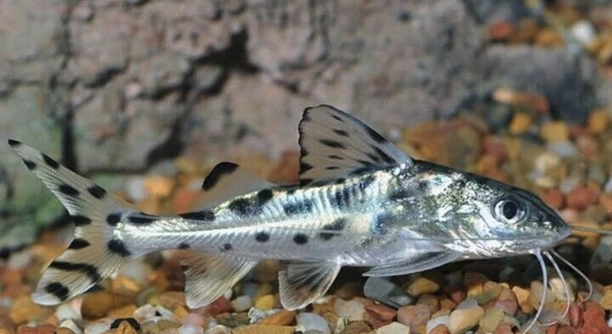
Many fish owners enjoy keeping Pictus Catfish for their lively nature and unique appearance. However, these fish can sometimes face health issues, including common infections. Recognizing early signs is important to maintain their well-being.
Ich, or Ichthyophthirius multifiliis, is a parasitic infection that causes white spots on the skin and fins of Pictus Catfish. It leads to irritation, lethargy, and respiratory distress, often requiring prompt treatment to prevent serious harm.
Knowing how to spot ich early helps protect your catfish and ensures a healthier aquarium environment for all your aquatic pets.
Common Signs of Ich in Pictus Catfish
Ich appears as small white spots on your catfish’s body, fins, and gills. These spots look like tiny grains of salt or sugar stuck to the fish. You might notice your catfish scratching against decorations or the tank walls because the parasite causes itching and irritation. The fish can also become less active, hide more often, or show rapid breathing as the infection worsens. Sometimes, the fins look frayed or clamped close to the body. If you spot any of these symptoms, it’s important to act quickly. Ignoring ich can lead to more severe health problems and even death. Monitoring your fish daily helps catch infections early before they spread or become harder to treat.
In addition to spots, watch for changes in behavior like lethargy or loss of appetite. These signs often show before the white spots fully develop.
Recognizing the early signs of ich in your Pictus Catfish allows you to take steps for treatment promptly. The parasite thrives in poor water conditions, so keeping the tank clean and stable supports recovery. Early treatment often includes raising the water temperature slightly and using medication designed to eliminate ich. Be sure to follow dosage instructions carefully and remove any activated carbon from filters during treatment to avoid reducing medication effectiveness. Consistent observation and care make all the difference in helping your fish return to good health.
Causes of Ich Infection
Ich is caused by a parasite that thrives in freshwater aquariums, especially when conditions are unstable. Stress from poor water quality, sudden temperature changes, or overcrowding makes fish more vulnerable. Introducing new fish without proper quarantine also increases the risk of spreading the parasite.
The parasite reproduces quickly, making it important to maintain a clean tank and quarantine new arrivals for at least two weeks. Stress weakens the catfish’s immune system, reducing its ability to fight off infections like ich. Keeping the water parameters stable and avoiding sudden changes can prevent outbreaks and keep your fish healthy.
Treating Ich in Pictus Catfish
Treatment for ich usually involves raising the aquarium temperature slightly to speed up the parasite’s life cycle. This makes medication more effective. Medications like formalin, malachite green, or copper-based treatments are commonly used to kill the parasite.
It’s important to follow the instructions on medication carefully and maintain good water quality during treatment. Removing activated carbon from your filter prevents the medicine from being absorbed, ensuring the treatment works well. Treatment typically lasts about 7 to 10 days, but continuing for a few days after symptoms disappear helps prevent a relapse. Frequent water changes during treatment help keep the environment healthy but avoid sudden changes that could stress the fish.
Watch your catfish closely for side effects during treatment. Some fish may react negatively to medication or temperature changes. If your fish seems more stressed or unwell, try adjusting the treatment or consult an aquarium specialist for advice.
Preventing Ich in Your Aquarium
Maintaining stable water conditions is key to preventing ich outbreaks. Regular water changes, proper filtration, and avoiding overcrowding reduce stress on your fish and limit parasite growth.
Quarantining new fish for two weeks before adding them to your main tank prevents introducing parasites. Monitoring water temperature and quality consistently helps catch problems early. Feeding a balanced diet also supports your catfish’s immune system, making it stronger against infections. Keeping plants and decorations clean reduces hiding spots for parasites. Prevention requires ongoing care but saves you from difficult treatments later and helps keep your aquarium healthy for all its inhabitants.
Monitoring Your Fish During Treatment
Keep a close eye on your Pictus Catfish throughout the treatment process. Look for any changes in behavior or worsening symptoms that may require adjustments. Regular observation helps ensure the medication is working effectively and your fish is recovering well.
If you notice any signs of stress or side effects, consider pausing treatment briefly and checking water parameters.
Adjusting Water Parameters
Maintaining stable water conditions supports your catfish’s recovery from ich. Slightly raising the temperature to around 78–80°F speeds up the parasite’s lifecycle, making treatment more effective. Keep ammonia and nitrite levels at zero to avoid extra stress on your fish. Avoid sudden changes in water quality during treatment to prevent additional harm.
When to Seek Professional Help
If symptoms worsen or do not improve after treatment, consult an aquarium specialist. Persistent ich may require stronger medication or different care approaches.
FAQ
How can I tell if my Pictus Catfish has ich without visible white spots?
Sometimes, ich infection starts before white spots appear. You may notice your catfish rubbing or scratching against tank surfaces more than usual. The fish might breathe faster or seem restless and hide frequently. Loss of appetite and lethargy can also be early signs. These behavior changes often happen before the parasite fully develops and becomes visible. Keeping an eye on these subtle signs helps catch ich early and begin treatment before the infection spreads.
Is ich contagious to other fish in my aquarium?
Yes, ich spreads quickly between fish in the same tank. The parasite releases free-swimming larvae that attach to healthy fish. This makes it very important to treat all affected fish and quarantine new arrivals. If only one fish shows signs, others may still be infected but not yet showing symptoms. Prompt action and thorough treatment reduce the chance of a full outbreak.
Can ich go away on its own without treatment?
Ich rarely clears up on its own, especially in a home aquarium. The parasite’s life cycle allows it to multiply rapidly and damage fish over time. Without treatment, infected fish become weaker and more prone to secondary infections. The parasite also spreads to other fish. Treatment and water management are necessary to fully eliminate ich and protect your catfish.
What medications are safest for Pictus Catfish when treating ich?
Medications like malachite green combined with formalin, copper sulfate, or commercially available ich treatments designed for freshwater fish are generally effective. However, some Pictus Catfish can be sensitive, so it’s important to follow dosage instructions carefully. Avoid overdosing, and remove activated carbon from your filter during treatment. Always monitor your fish for signs of stress while medicating.
How long does ich treatment usually take?
Treatment typically lasts 7 to 10 days, depending on the severity of the infection. It’s important to continue medication for a few days after white spots disappear to ensure all parasites are killed. Stopping treatment too early may allow the parasite to return. Regular water changes during this time help keep water clean but should be done carefully to avoid stressing the fish.
Can I use salt to treat ich in my Pictus Catfish tank?
Salt can help reduce ich parasites, but Pictus Catfish are sensitive to high salt levels. If you use salt, keep the concentration low and monitor your fish closely for signs of stress. Salt treatments alone may not fully eliminate ich and are often best combined with other medications. Always research the correct dosage for your specific fish.
How can I prevent ich from coming back after treatment?
Preventing ich involves maintaining good water quality, stable temperature, and reducing stress for your catfish. Quarantine new fish for at least two weeks before adding them to your tank. Avoid overcrowding and keep the tank clean with regular water changes. Feeding a balanced diet strengthens your fish’s immune system. These steps lower the risk of future outbreaks.
Will ich affect my Pictus Catfish’s long-term health?
If treated early and properly, ich usually does not cause lasting damage. However, severe or repeated infections can weaken the fish’s immune system and cause permanent harm to fins or gills. Maintaining a healthy tank environment reduces stress and supports recovery. Quick treatment is key to preventing long-term problems.
Can ich infect other types of aquarium fish?
Yes, ich infects almost all freshwater fish species. It is not specific to Pictus Catfish. This makes it essential to treat all fish in the tank if one shows symptoms. Some species may show different symptoms or be more tolerant, but the parasite can spread widely in mixed tanks.
Is it safe to use ich medication with plants or invertebrates in the tank?
Many ich medications can harm plants and invertebrates like shrimp or snails. If you keep these in your aquarium, consider removing them before treatment or using a separate hospital tank for your fish. Check the medication label for compatibility to avoid unintended damage.
When it comes to caring for Pictus Catfish, recognizing and treating ich quickly is very important. Ich is a common illness in freshwater fish that shows up as tiny white spots on the fish’s body and fins. These spots are easy to see, but sometimes the signs come earlier as changes in behavior like scratching, hiding, or breathing fast. Knowing what to look for helps catch the problem before it gets worse. The quicker you act, the better the chances of your fish recovering without serious damage.
Treating ich involves using the right medication and keeping water conditions stable. Raising the tank temperature slightly can help the medicine work faster by speeding up the parasite’s life cycle. It is important to follow treatment instructions carefully and keep the tank clean. Removing activated carbon from filters during treatment ensures the medicine stays effective. Watching your fish closely during this time helps you notice if the treatment causes any stress or side effects. If problems happen, adjusting the care or seeking advice can protect your catfish from further harm.
Preventing ich is the best way to keep your Pictus Catfish healthy. Regular water changes, proper filtration, and avoiding overcrowding reduce stress on your fish and lower the chances of infection. Quarantining new fish for a couple of weeks before adding them to your tank stops the parasite from spreading. Feeding a balanced diet supports your fish’s immune system, making it easier for them to resist illness. Taking these steps helps create a safe and healthy environment for your catfish, so they can live comfortably and happily in your aquarium.

Hello,
If you enjoy the content that we create, please consider saying a "Thank You!" by leaving a tip.
Every little bit helps us continue crafting quality advice that supports the health, happiness, and well-being of pets around the world, for pets of all shapes, sizes, and species.
We really appreciate the kindness and support that you show us!