
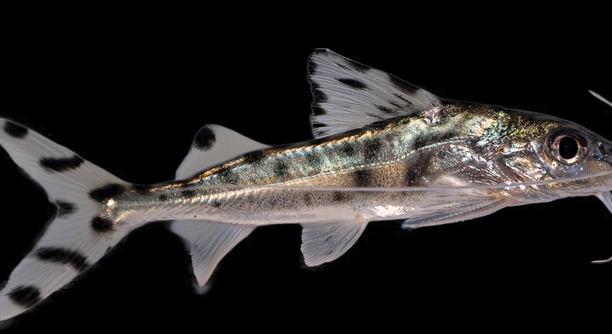
Pictus catfish are popular freshwater fish known for their active and social nature. Many fish owners want to create a safe and comfortable environment for them. Providing security helps these catfish thrive and reduces stress.
To make pictus catfish feel secure, it is important to provide hiding spots, maintain clean water conditions, offer appropriate tank mates, and ensure proper lighting. These steps help mimic their natural habitat, promoting calm and healthy behavior.
Understanding how to create a secure environment for pictus catfish improves their well-being and encourages natural activity. The following tips will guide you in making your tank a safe place for them.
Provide Plenty of Hiding Places
Pictus catfish feel most secure when they have places to hide. In the wild, they use rocks, plants, and submerged wood to stay out of sight. Adding caves, dense plants, or decorations with crevices in your tank will help mimic this natural setting. Hiding spots allow the catfish to rest and avoid stress when they feel threatened or overwhelmed. Without enough cover, they may become skittish or hide constantly, which can affect their health. It’s important to arrange these hiding places carefully so the fish can easily move around without feeling trapped. Using a mix of natural and artificial decorations gives variety and helps maintain water quality. Keep hiding spots clean and free from debris to avoid bacterial buildup that could harm your fish. Regularly check your tank setup to ensure the hiding areas remain accessible and comfortable for your pictus catfish.
Keeping hiding places balanced in your tank improves your catfish’s confidence and reduces stress over time.
Hiding spots are essential for pictus catfish because they provide security and comfort. These fish are nocturnal and shy, so they prefer dark, secluded areas during the day. Using live plants, driftwood, and rock caves creates a natural environment that supports their well-being. Dense plants such as Java fern or Anubias work well and do not require intense light. Avoid overcrowding the tank with decorations, which can limit swimming space and create territorial disputes. Also, ensure hiding spots have multiple entrances and exits for easy escape routes. Regular maintenance of these areas prevents algae buildup and keeps the environment healthy. By thoughtfully designing your tank with these elements, you can help your pictus catfish feel safe and behave naturally, encouraging better activity levels and overall health.
Maintain Consistent Water Quality
Pictus catfish are sensitive to changes in water conditions. Sudden shifts in temperature, pH, or ammonia levels can cause stress and weaken their immune system. Keeping the water clean and stable is essential for their comfort and health.
Stable water parameters support the long-term well-being of pictus catfish.
Regular water changes are key to maintaining quality. Perform partial water changes of about 25% weekly to remove waste and toxins. Use a reliable water testing kit to monitor ammonia, nitrites, nitrates, pH, and temperature regularly. Ideal temperature ranges from 74°F to 79°F, and pH should be between 6.5 and 7.5. Avoid overcrowding the tank as it can increase waste and reduce oxygen levels. Proper filtration helps keep water clear and oxygenated. Be mindful of introducing new plants or decorations, as they may alter water chemistry. Conditioning tap water to remove chlorine and chloramines is necessary before adding it to the tank. Consistent water maintenance creates a stable environment where pictus catfish can feel secure and avoid stress-related illness.
Use Gentle Lighting
Pictus catfish prefer dim lighting because it replicates their natural environment. Bright lights can stress them and cause hiding or inactivity.
Soft lighting helps reduce stress by creating a calm atmosphere. Using low-wattage bulbs or placing plants to diffuse light can soften the brightness. Avoid direct overhead lights that shine intensely into the tank. A timer can help maintain a consistent light-dark cycle, supporting the fish’s natural rhythms. Adjusting lighting gradually when changing bulbs prevents sudden shocks to their system.
Reducing light intensity makes the tank less intimidating for pictus catfish. Gentle lighting encourages natural behaviors like foraging and swimming. This also benefits live plants, promoting healthier growth without excessive algae. Proper lighting contributes to the overall balance of the tank’s ecosystem, helping your fish feel secure and comfortable.
Choose Compatible Tank Mates
Selecting peaceful tank mates prevents stress and aggression among pictus catfish. Aggressive fish can cause anxiety and hide constantly.
Suitable companions include other calm species such as tetras, rasboras, or small gouramis. Avoid large or territorial fish that may bully or compete with pictus catfish for space and food. Grouping compatible fish reduces conflict and creates a harmonious environment. Keeping similar-sized fish together also helps maintain balance in the tank. It’s important to research each species’ behavior and habitat needs before introduction to ensure compatibility.
Providing the right tank mates helps your pictus catfish remain confident and relaxed. A peaceful community tank allows them to swim freely and socialize without fear. Proper pairing also encourages natural group behavior, enhancing their well-being. Regular observation helps identify any issues early, allowing for timely adjustments to the tank’s inhabitants.
Feed a Balanced Diet
Pictus catfish need a varied diet to stay healthy and feel secure. A mix of sinking pellets, live or frozen foods, and occasional vegetables works best.
Providing balanced nutrition supports their energy levels and natural behaviors. Avoid overfeeding, which can harm water quality and cause health issues.
Maintain Proper Tank Size
A tank of at least 30 gallons is ideal for pictus catfish. They are active swimmers and need space to explore comfortably.
Adequate space reduces stress and aggression while promoting natural movement. Crowding can cause territorial disputes and poor water conditions, impacting their well-being.
Keep a Gentle Water Flow
Pictus catfish prefer moderate water flow that mimics their natural habitats. Strong currents can cause stress and limit their movement.
Adjust the filter output or use flow diffusers to maintain a calm, steady water flow that allows the catfish to swim freely without struggling.
FAQ
How often should I clean the tank for my pictus catfish?
Regular cleaning is crucial to keep your pictus catfish healthy. Perform partial water changes of about 25% weekly to remove waste and toxins. Clean the substrate and decorations carefully, avoiding harsh chemicals that can harm the fish. Consistent maintenance helps prevent ammonia buildup and keeps water parameters stable.
What is the ideal temperature range for pictus catfish?
Pictus catfish thrive in temperatures between 74°F and 79°F (23°C to 26°C). Maintaining a stable temperature within this range reduces stress and supports their immune system. Use a reliable aquarium heater and thermometer to monitor and adjust temperature as needed.
Can pictus catfish live with other fish species?
Yes, pictus catfish do well with peaceful tank mates. Suitable companions include tetras, rasboras, and small gouramis. Avoid aggressive or large fish that may intimidate or harm them. Always research compatibility before introducing new fish to your tank.
How much should I feed my pictus catfish?
Feed small amounts once or twice a day, offering only what they can consume in a few minutes. Overfeeding can pollute the water and cause health issues. Include sinking pellets and occasional live or frozen foods to provide balanced nutrition.
Do pictus catfish need special lighting?
They prefer dim lighting that mimics their natural habitat. Bright lights can stress them and cause hiding. Use low-wattage bulbs or plants to diffuse light, and maintain a consistent light-dark cycle with a timer.
What tank size is best for pictus catfish?
A minimum of 30 gallons is recommended due to their active swimming behavior. Providing enough space helps reduce stress and territorial disputes. Larger tanks support better water quality and allow for natural movement.
How can I tell if my pictus catfish is stressed?
Signs of stress include hiding excessively, loss of appetite, rapid breathing, or erratic swimming. Stress often results from poor water quality, incompatible tank mates, or insufficient hiding places. Addressing these factors promptly helps improve their condition.
Are there any common health problems for pictus catfish?
Pictus catfish may suffer from infections caused by poor water conditions or parasites. Maintaining clean water, stable parameters, and proper nutrition reduces risks. Quarantine new fish and plants before adding them to the tank to prevent disease introduction.
Is it necessary to have hiding spots for pictus catfish?
Yes, hiding places are essential for their sense of security. They use caves, plants, and decorations to rest and escape perceived threats. Lack of hiding spots can lead to chronic stress and poor health.
How important is water flow for pictus catfish?
They prefer moderate water flow that mimics slow-moving streams. Strong currents can cause stress and limit swimming. Adjust filtration to create gentle water movement, ensuring the catfish can swim comfortably.
Can pictus catfish tolerate a range of pH levels?
They do best in slightly acidic to neutral water, with a pH between 6.5 and 7.5. Sudden changes or extreme pH levels can cause stress or illness. Regular testing and adjustments help maintain stable pH.
Do pictus catfish need live plants in their tank?
Live plants are beneficial but not mandatory. They provide hiding spots, help with water quality, and create a natural environment. Choose hardy plants like Java fern or Anubias, which thrive in low-light conditions preferred by pictus catfish.
How long do pictus catfish typically live?
With proper care, pictus catfish can live 8 to 10 years. Providing a secure environment, stable water conditions, and good nutrition extends their lifespan and keeps them healthy.
Is it okay to keep only one pictus catfish?
Pictus catfish are social and prefer groups of at least three. Keeping a single fish can lead to loneliness and stress. Grouping them allows natural social behaviors and increases their comfort.
What should I do if my pictus catfish is hiding all the time?
Occasional hiding is normal, but constant hiding may indicate stress or poor conditions. Check water parameters, tank mates, and hiding spot availability. Improving these factors can encourage more active behavior.
How can I encourage my pictus catfish to be more active?
Provide plenty of swimming space, hiding places, and suitable companions. Feeding a varied diet and maintaining stable water conditions also promote natural activity. Avoid sudden changes that can cause stress and inactivity.
Final thoughts are important when caring for pictus catfish. These fish need a safe and comfortable environment to thrive. Creating a secure habitat requires attention to their natural behaviors and preferences. Providing hiding spots, maintaining clean water, and offering gentle lighting all contribute to their well-being. Each small detail adds to the comfort level that pictus catfish need. Stress can easily affect their health, so keeping their surroundings stable and calm is essential. Observing how they behave will help identify if changes are needed to improve their environment.
Maintaining proper water conditions is one of the most important tasks for fish owners. Pictus catfish are sensitive to fluctuations in temperature, pH, and water quality. Regular water changes and monitoring are necessary to prevent harmful substances from building up. Consistency in care helps reduce stress and supports a strong immune system for the fish. Feeding a balanced diet also plays a role in keeping them healthy and active. Overfeeding can harm water quality, so it’s best to feed only what they can eat in a short time. A clean and balanced environment encourages natural behaviors and helps pictus catfish feel secure.
Tank mates and tank size matter just as much as water quality and decorations. Choosing peaceful companions that will not cause stress helps pictus catfish stay calm and confident. They also need enough space to swim freely and explore. Overcrowding can lead to territorial disputes and poor water conditions, which increase stress. Ensuring a moderate water flow simulates their natural habitat and prevents discomfort. Paying attention to these factors results in a happier, healthier fish. Taking the time to understand the needs of pictus catfish will lead to a more enjoyable experience and a thriving aquarium.

Hello,
If you enjoy the content that we create, please consider saying a "Thank You!" by leaving a tip.
Every little bit helps us continue crafting quality advice that supports the health, happiness, and well-being of pets around the world, for pets of all shapes, sizes, and species.
We really appreciate the kindness and support that you show us!