
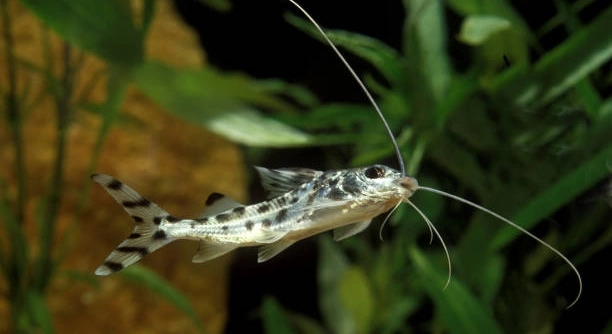
Do you ever find yourself watching your pictus catfish swim around wildly once the lights go out and the room quiets down?
Pictus catfish are nocturnal by nature, meaning they are most active during nighttime hours. Their behavior is driven by instinct, allowing them to hunt, explore, and stay safe from predators under the cover of darkness.
Learning more about your catfish’s habits can help you create a peaceful and healthy environment that supports their natural rhythms.
Understanding Nocturnal Behavior in Pictus Catfish
Pictus catfish are naturally nocturnal. This means they rest during the day and become active when it’s dark. In the wild, this helps them avoid predators and gives them an advantage when hunting smaller prey. Their sensory barbels, or whiskers, help them navigate and find food in low-light conditions. In your home aquarium, this instinct continues. Bright lighting and busy daytime activity usually cause them to hide. But once the lights go off, they feel safe enough to explore. Their behavior isn’t something to worry about—it’s simply how they are wired. Creating a low-stress environment with shaded hiding spots and soft lighting during the day can support this natural rhythm. If your pictus catfish seems hyperactive at night, it’s often just doing what it was made to do. It’s important to understand this trait so you can manage their care more effectively and avoid misinterpreting normal behavior as a problem.
Their activity level is highest at night because they feel safest during those hours. This aligns with their natural behavior in the wild.
Observing this nighttime activity can be interesting, especially if you use a dim moonlight setting. You’ll see them glide and explore with confidence. Watching them thrive on their schedule can be quite rewarding.
Creating the Right Environment
A calm, shaded aquarium will support your pictus catfish’s need for daytime rest and encourage healthy nighttime activity.
The best setup includes plenty of hiding places such as driftwood, caves, or plants. These provide shelter during the day, helping your catfish feel secure. Use soft or dim lighting instead of bright overhead lights. Keeping a consistent light-dark cycle will help regulate their natural rhythm. Avoid placing the tank in busy or loud areas, as constant movement can disrupt their rest. Consider using a moonlight LED at night if you want to watch them during their most active hours without stressing them. Tank mates should also be selected carefully—avoid aggressive or overly active fish that might cause stress. Feeding at dusk or shortly after lights go out can also align with their instincts, making them feel more comfortable. Creating an environment that respects their natural behavior will lead to a healthier and more peaceful aquarium for everyone involved.
Feeding Habits and Timing
Pictus catfish prefer to eat when it’s dark, so feeding them at night matches their natural routine. They rely on their whiskers to find food, making evening meals easier for them.
To keep them healthy, offer a balanced diet that includes sinking pellets, bloodworms, and frozen foods. Feed just after the lights go out to encourage natural feeding behavior. Uneaten food should be removed to keep the water clean. Avoid overfeeding, as it can lead to health problems and water issues. If you have other fish that eat during the day, use feeding tools or drop food near hiding spots to ensure your pictus catfish gets its share. Feeding them in the evening helps them stay active, healthy, and satisfied. Once this routine is established, they’ll begin to expect food at this time and may even become more social as they associate your presence with feeding.
Pay attention to how much they eat and how they respond after meals. Active swimming and foraging are good signs. If food is left behind or if they seem sluggish, it may be time to adjust portions or try a different food type. A stable feeding schedule can help you monitor their health more easily over time.
Signs of Stress or Discomfort
When a pictus catfish is stressed, it may hide more, stop eating, or swim erratically. These changes usually point to a problem in their environment or with tank mates.
Common causes include poor water quality, bright lighting, aggressive fish, or lack of hiding spots. Check the water parameters regularly—especially ammonia, nitrites, and temperature. Even small shifts can impact their behavior. If tank mates are chasing or nipping at your pictus catfish, they may stay hidden or show signs of fear. Inadequate space is another stress factor—these fish need room to swim freely. You may also notice rapid gill movement or color fading, both signs that something is off. Addressing the cause quickly can help your catfish return to its usual behavior. Always observe changes closely. Small adjustments like softer lighting, better tank layout, or improved water conditions often make a big difference in their comfort and health.
Lighting and Day-Night Cycles
Too much light during the day can cause stress and disrupt their resting habits. Use soft or moderate lighting and provide shaded areas for them to retreat to.
Keeping a consistent schedule of 10–12 hours of light and 12–14 hours of darkness helps support their natural rhythms and overall behavior.
Tank Mates and Activity Levels
The fish you choose to live with your pictus catfish can affect how active or stressed they become. Avoid pairing them with small fish that may be mistaken for food, or overly aggressive species that might bully them. Good companions include peaceful bottom dwellers or medium-sized fish that respect space. When kept with the right tank mates, pictus catfish can be more relaxed and follow their natural behavior. Having plenty of space and places to hide also reduces stress. A peaceful tank environment lets them stay active during the night without fear or interruption.
Water Conditions Matter
Pictus catfish need clean, stable water to stay healthy and active. Poor water quality can lead to stress, illness, and changes in their usual behavior.
Why is my pictus catfish more active at night?
Pictus catfish are naturally nocturnal, so their peak activity occurs during nighttime. In the wild, they avoid daytime predators and hunt when it’s dark. This instinct remains strong in aquariums, making them swim and explore mostly after lights go out.
Is it normal for pictus catfish to hide during the day?
Yes, hiding during the day is typical behavior. They seek shelter in shaded spots or decorations to feel safe. Bright light and daytime tank activity often cause them to rest quietly. Providing enough hiding places helps them feel secure and reduces stress.
How often should I feed my pictus catfish?
Feeding once a day, preferably in the evening or at night, aligns with their natural routine. Offer small amounts of sinking pellets, bloodworms, or frozen foods. Avoid overfeeding to prevent water quality issues and health problems.
Can pictus catfish live with other fish?
Yes, they can live peacefully with other species if tank mates are calm and non-aggressive. Avoid small fish that could be seen as prey and overly territorial species. Suitable tank mates include peaceful bottom dwellers and medium-sized fish that do not compete aggressively for food or space.
What water conditions do pictus catfish prefer?
They thrive in clean, well-filtered water with a temperature between 72°F and 78°F (22°C–26°C). pH should be neutral to slightly acidic (6.5–7.5). Regular water changes and monitoring ammonia, nitrite, and nitrate levels are essential to maintain a healthy environment.
Why does my pictus catfish sometimes swim erratically?
Erratic swimming may indicate stress, illness, or poor water quality. Check water parameters and tank conditions first. Also, consider if tank mates are bothering them or if lighting is too intense. Early attention to these issues can prevent more serious health problems.
How can I reduce stress for my pictus catfish?
Provide plenty of hiding spots and maintain a consistent day-night cycle with soft lighting. Avoid sudden changes in water parameters and tank setup. Choosing compatible tank mates and feeding on a regular schedule also reduces stress levels.
What signs show my pictus catfish is healthy?
Healthy pictus catfish swim actively during their active hours, have bright eyes, intact fins, and smooth skin. They respond well to feeding and explore their environment. Regular behavior and clear physical appearance indicate good health.
Can pictus catfish live in a community tank?
Yes, they are social and can live in groups or community tanks if the environment is suitable. Keep them in groups of at least five to encourage natural behavior. Proper tank size and peaceful neighbors are key to successful community living.
Do pictus catfish need special care at night?
They do not require special care at night but benefit from a natural dark period for resting. Using a dim moonlight can allow observation without disturbing their routine. Avoid turning on bright lights suddenly at night, as this can cause stress.
How big do pictus catfish get?
Pictus catfish can grow up to 5 to 6 inches (12 to 15 cm) in length. Providing enough space in the aquarium is important to accommodate their size and swimming habits. A larger tank helps reduce stress and supports their activity levels.
Why does my pictus catfish sometimes hide even at night?
Hiding at night can occur if they feel threatened by tank mates, suffer from poor water quality, or if the environment lacks adequate hiding spaces. Stress and illness may also cause them to hide. Regular tank maintenance and careful observation are important.
Are pictus catfish aggressive?
No, pictus catfish are generally peaceful but can become territorial or nippy if crowded or stressed. Providing enough space and hiding places helps prevent aggressive behavior. They are best kept with similarly calm fish.
What is the best diet for pictus catfish?
A varied diet including sinking pellets, frozen or live bloodworms, and occasional vegetable matter supports their health. They are bottom feeders, so food that sinks quickly is ideal. Avoid overfeeding to maintain water quality and fish health.
How do I know if my pictus catfish is stressed?
Signs include hiding excessively, refusing food, erratic swimming, color fading, or rapid gill movement. Stress often results from poor water quality, aggressive tank mates, or unsuitable lighting. Identifying and fixing the cause helps restore normal behavior.
Pictus catfish are naturally active at night because they are nocturnal creatures. Their instincts lead them to rest during the day and explore their environment when it is dark. This behavior is normal and reflects how they survive in the wild. Understanding this helps when setting up an aquarium that supports their natural patterns. Providing places for them to hide during the day and a calm environment encourages them to feel safe and behave as they should. It is important to accept their nighttime activity as part of their nature rather than a problem that needs fixing.
Maintaining proper care for your pictus catfish involves paying attention to their environment and habits. Consistent lighting schedules, clean water, and a good diet all contribute to their health and comfort. Feeding them in the evening aligns with their active hours and helps keep them satisfied. Tank mates should be chosen carefully to avoid stress and aggression. When these conditions are met, pictus catfish will display natural behaviors, stay active at night, and remain healthy. Regular observation allows you to spot any changes that might indicate stress or illness, helping you respond quickly.
Creating a balanced aquarium for pictus catfish means respecting their nocturnal nature while ensuring their needs are met around the clock. A peaceful tank with hiding spots, appropriate lighting, and stable water quality will keep them comfortable. It takes some effort to understand their habits, but the result is a thriving fish that adds beauty and activity to your tank. Watching them move gracefully during their nighttime hours can be rewarding when you know it is a sign of good health and natural behavior. This knowledge helps you become a better caretaker for your pictus catfish.

Hello,
If you enjoy the content that we create, please consider saying a "Thank You!" by leaving a tip.
Every little bit helps us continue crafting quality advice that supports the health, happiness, and well-being of pets around the world, for pets of all shapes, sizes, and species.
We really appreciate the kindness and support that you show us!