
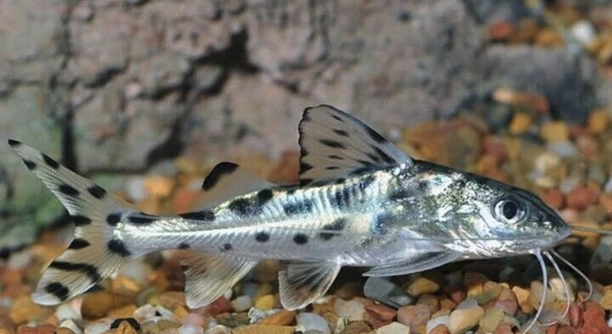
Have you ever looked at your aquarium and wondered if your Pictus Catfish had a few secrets you hadn’t uncovered yet?
Pictus Catfish are more complex than they appear. They possess unique behaviors, physical traits, and care needs that often go unnoticed by their owners. Learning these lesser-known facts can help improve their well-being and your experience as an aquarist.
These fascinating freshwater fish have more to offer than their spotted patterns and active swimming. Let’s explore the surprising traits that make them stand out.
They Communicate Using Their Barbels
Pictus Catfish rely heavily on their barbels to explore and communicate in their environment. These long, whisker-like appendages help them detect food, sense changes in water conditions, and understand their surroundings in low light. Unlike many other fish, Pictus Catfish are naturally nocturnal, and their barbels act as important sensory tools when visibility is low. The barbels are extremely sensitive, allowing them to feel vibrations and movements in the water. This helps them navigate and find food hidden beneath gravel or decorations. When they brush their barbels against objects or other fish, it can also be a form of interaction or a response to stimuli. Keeping their tank clean is important because dirty water can irritate their barbels and impact their behavior.
Their barbels are more than just a visual feature—they are essential to how these fish live and interact with their surroundings.
Make sure the substrate is smooth, and avoid sharp decorations. Scratches can damage their barbels and lead to stress or infection. These injuries can take time to heal and may cause changes in their swimming patterns or appetite. A sandy or rounded gravel bottom is ideal to protect their sensitive feelers. Observing your Pictus closely will help you notice early signs of irritation. You may see them rubbing against surfaces or staying hidden longer than usual. It’s also helpful to test your water parameters often. Ammonia and nitrite buildup can make barbels swell or deteriorate. Stable water conditions, regular maintenance, and gentle tank mates will go a long way in keeping your Pictus Catfish comfortable and active.
They Can Live Over 8 Years
Many people don’t realize that Pictus Catfish can live well beyond 8 years with proper care and attention to their environment.
Lifespan depends greatly on tank size, water quality, diet, and stress levels. In ideal conditions, Pictus Catfish can thrive for up to 10 years or more. This means your commitment to maintaining their space has a long-lasting impact. Frequent partial water changes help reduce harmful toxins and support their immune system. Their active lifestyle also requires space—tanks of 55 gallons or more are best, especially when kept in groups. A high-protein diet of quality pellets, frozen foods, and occasional live options supports their energy and natural instincts. Stress from incompatible tank mates or poor conditions can shorten their lifespan significantly. Watching for changes in behavior or appetite helps you spot early signs of distress. Providing hiding places, dim lighting, and a consistent feeding schedule will all contribute to a healthy and long life for your Pictus Catfish.
They Are Surprisingly Fast Swimmers
Pictus Catfish are known for their quick, darting movements. Their slender bodies and strong tails allow them to zip around the tank effortlessly. This natural speed often surprises new keepers and can make feeding time a little chaotic.
Their fast swimming isn’t just for show—it’s a survival trait. In the wild, Pictus Catfish live in rivers with steady currents. Their speed helps them catch food and avoid threats. In a home tank, this can lead to bumping into decorations or startling slower fish. It’s important to provide open space for swimming and avoid cluttered tank setups. Their bursts of energy often happen in the evening when they’re most active. If you feed them during these times, you may notice how quickly they respond to food. Because they move so quickly, they can easily outcompete slower fish during feeding, so separate feeding areas may help.
Their energy also means they need exercise to stay healthy. Without enough room or stimulation, they can grow stressed or aggressive. A tank that’s too small may lead to pacing or erratic movements. Adding a moderate current with a filter or air stone supports their natural behavior and gives them something to move against. Watching them swim freely is a good way to check their overall health. If they become sluggish or hide constantly, it might be a sign that something is off with the tank setup or water quality. Giving them the right environment lets their energetic nature shine without causing harm to themselves or others.
They Are Peaceful But Can Be Pushy
Pictus Catfish are considered peaceful, but their active behavior can overwhelm shy or slow-moving fish. They do best in groups of their own kind and with tank mates that can match their pace.
Even though they aren’t aggressive, Pictus Catfish have a curious nature. This can make them appear pushy, especially at feeding time or when exploring the tank. They may chase or bump into other fish without meaning harm. This behavior is more about excitement than dominance. It helps to pair them with similar-sized, semi-active fish who won’t be intimidated by their energy. Avoid housing them with long-finned species, as their constant movement may lead to fin-nipping, even if unintentional. Giving them plenty of hiding spots helps reduce tension, especially in shared tanks. Watching how your fish interact during feeding and resting periods is important. If you notice signs of stress in other fish, consider adjusting your tank layout or group size.
They Are Nocturnal by Nature
Pictus Catfish are most active at night. During the day, they often hide in caves, plants, or under decorations to avoid bright light.
Keeping the tank dim in the evening supports their natural rhythm. Low lighting encourages them to explore more and helps reduce stress-related hiding.
They Have Sharp Pectoral Spines
Pictus Catfish have stiff, sharp spines on their pectoral fins that can get caught in nets or poke through plastic bags. These spines are used for defense and can cause injury if not handled carefully. When moving your Pictus, use a container instead of a net to avoid damage to both the fish and yourself. Their spines can also make catching and transferring them stressful. Always plan ahead before tank maintenance or relocation. These spines are also why it’s important to avoid housing them with aggressive fish who may trigger defensive behavior.
They Need a Tight Lid
Pictus Catfish can jump when startled or exploring. A secure tank lid prevents escape and injury. Gaps or loose covers can lead to accidents.
FAQ
Do Pictus Catfish need to be kept in groups?
Yes, Pictus Catfish are social fish and do better in small groups. Keeping at least three together helps reduce stress and encourages natural behavior. When kept alone, they can become shy or inactive. A group allows them to interact, swim more freely, and feel safer. Make sure the tank is large enough to support multiple fish comfortably, as overcrowding can lead to stress or poor water quality. A 55-gallon tank is a good starting size if you’re keeping three or more.
Can Pictus Catfish live with other types of fish?
Pictus Catfish can live with other species, but it’s important to choose tank mates carefully. Peaceful, similarly-sized fish are the best choice. Avoid very small fish, like neon tetras, as Pictus may see them as food. Also avoid slow or long-finned fish, which may get stressed by the Pictus’ fast movements. Good companions include larger tetras, barbs, gouramis, or peaceful cichlids. Always observe new tank mates closely at first to ensure compatibility.
What should I feed my Pictus Catfish?
Pictus Catfish are omnivores and enjoy a varied diet. Sinking pellets or wafers are good staples. You can also feed them frozen or live foods like bloodworms, brine shrimp, and blackworms. They will eat leftover food on the bottom, but that’s not enough for balanced nutrition. Feeding once or twice a day works well, and they usually become more active when food is added to the tank. Rotate their food often to keep them healthy.
Do Pictus Catfish clean the tank?
They do help clean up uneaten food from the bottom, but they are not true “cleaner fish.” You still need to perform regular tank maintenance, including water changes, gravel vacuuming, and filter cleaning. Relying on any fish to clean your tank fully is not a good practice. Think of their scavenging as a small help, not a solution.
How big do Pictus Catfish get?
Most Pictus Catfish reach about 5 inches in length, though some can grow up to 6 inches. This size means they need a spacious tank to swim freely. Small tanks can stunt their growth and lead to stress-related health issues. They grow steadily when well-fed and kept in the right environment.
Are Pictus Catfish hard to care for?
They are not too difficult to care for if you understand their needs. They require a clean, spacious tank, soft substrate, and a good filter to keep water quality stable. Because they’re nocturnal and fast swimmers, their behavior may seem unusual at first. Once their routine is understood, they become fairly low-maintenance.
Do Pictus Catfish make noise?
Yes, they can produce clicking or squeaking sounds, especially when startled or handled. This is a natural behavior and comes from rubbing parts of their body together or vibrating their swim bladder. It’s not loud and usually isn’t a cause for concern.
Can Pictus Catfish live in a planted tank?
Yes, but choose hardy plants and secure them well. Pictus Catfish may uproot delicate plants while swimming or exploring. Java fern, anubias, or plants attached to driftwood work better than rooted varieties. Keep an eye on the plant layout and adjust as needed to protect your aquascaping.
Do they need a heater in the tank?
Yes, Pictus Catfish are tropical fish and need a stable temperature between 75°F and 81°F (24°C to 27°C). A reliable heater and thermometer will help keep their environment consistent. Avoid sudden temperature changes, which can lead to stress and illness.
Can Pictus Catfish breed in captivity?
Breeding Pictus Catfish in home aquariums is very rare. They require specific conditions that are difficult to recreate, including large tanks, seasonal changes, and hormonal triggers. Most available Pictus are wild-caught or bred in commercial settings using special methods.
Final Thoughts
Pictus Catfish are active, interesting fish that bring a lot of life to freshwater tanks. Their fast swimming, peaceful nature, and playful curiosity make them enjoyable to watch. They are also social and prefer to live in groups, which helps them feel safe and behave more naturally. While they can seem shy during the day, they become much more active at night. This natural rhythm is easy to support with proper lighting and a quiet tank setup. If you’re patient and consistent with care, they will reward you with many years of healthy and lively behavior.
Caring for Pictus Catfish means paying attention to their specific needs. A large tank, smooth substrate, hiding spots, and good water quality are all important. They also need a well-balanced diet and compatible tank mates. While they do eat leftover food, they should not be expected to clean the tank. Their barbels are very sensitive, so keeping the water clean and decorations smooth will help avoid injury or stress. These small details matter and can make a big difference in their health over time. Taking a little extra care now can prevent bigger problems later on.
Adding Pictus Catfish to your tank can be a rewarding experience if you’re prepared. Their playful energy, unique habits, and quiet beauty make them stand out in any aquarium. Watching them explore their space and interact with others can be both calming and fascinating. They are not demanding, but they do require a thoughtful setup. By learning about their habits and adjusting their environment to fit their needs, you create a peaceful home where they can thrive. Whether you’re a beginner or have kept fish for years, Pictus Catfish are a great choice when treated with care and attention.

Hello,
If you enjoy the content that we create, please consider saying a "Thank You!" by leaving a tip.
Every little bit helps us continue crafting quality advice that supports the health, happiness, and well-being of pets around the world, for pets of all shapes, sizes, and species.
We really appreciate the kindness and support that you show us!