
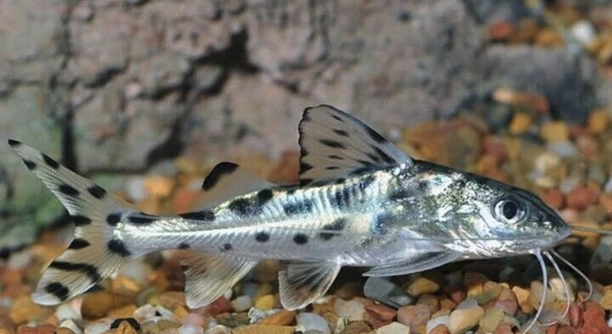
Do you have a Pictus Catfish and want to create the best environment for it? Many aquarium owners wonder about the right type of substrate to use. Choosing between gravel or sand can affect your fish’s comfort and health.
Pictus Catfish generally prefer finer substrates like sand over coarse gravel. Sand allows them to forage easily and reduces the risk of injury to their delicate barbels. This preference supports their natural behavior and well-being in captivity.
Knowing the best substrate for your Pictus Catfish can improve its quality of life. Understanding these details helps create a safe and healthy aquarium environment for your fish to thrive.
Why Substrate Choice Matters for Pictus Catfish
The type of substrate in your aquarium can greatly affect the health and behavior of Pictus Catfish. These fish have sensitive barbels, which they use to search for food at the bottom of the tank. Rough or sharp gravel can damage these barbels, leading to stress or infection. Sand, on the other hand, provides a smooth surface that is gentle on their delicate parts. Additionally, sand allows the catfish to dig and explore naturally, which helps keep them active and comfortable. The substrate also influences water quality and cleanliness. Sand can trap less debris than gravel, making it easier to maintain a clean environment. Proper substrate helps replicate the catfish’s natural habitat, reducing stress and encouraging natural behavior. Choosing the right substrate is a simple step that improves the overall well-being of your Pictus Catfish and supports a healthier aquarium.
Using sand as a substrate is generally safer and more comfortable for Pictus Catfish than gravel.
Keeping the tank clean is easier with sand. It traps less waste, making your maintenance routine simpler. Gravel can hide debris, which might harm water quality over time. Sand’s fine texture helps bacteria grow, which breaks down waste naturally. It also supports plants better because roots can spread easily. In contrast, gravel may not hold plants well, which affects the tank’s look and health. Overall, sand creates a safer and more natural environment for your catfish and other tank inhabitants.
How to Choose the Best Substrate
Consider the size and texture of the substrate when setting up your aquarium. Fine sand is ideal because it is soft and easy for the catfish to move through. Avoid sharp or coarse materials that could hurt their barbels. Natural colors such as beige or light brown work well, as they mimic the riverbeds where Pictus Catfish live. Avoid brightly colored gravel, which can stress the fish and affect their natural behavior. Besides comfort, the substrate should support your cleaning routine. Sand allows waste to be more visible, so you can remove it quickly. You may also want to consider how the substrate interacts with the plants or decorations you plan to add.
If you prefer gravel, choose smooth and small pieces that won’t harm the catfish’s barbels.
While sand is often the best choice, some aquarists use very fine gravel without issues. If you decide to use gravel, make sure it is rounded and smooth to avoid damage. Mixing sand with small amounts of gravel can also work, but it requires careful monitoring. Regular cleaning becomes more important with gravel because debris can settle deep between the stones. The type of substrate can affect the water flow and oxygen levels in the tank as well. Overall, it’s important to observe your catfish’s behavior and health closely to know if the substrate suits their needs. Proper substrate selection can make a big difference in how well your Pictus Catfish adapts and thrives.
Cleaning and Maintenance of Substrates
Sand is easier to clean because debris stays on top, making it visible and simple to remove with a siphon. Gravel hides dirt deeper, requiring more effort and thorough vacuuming to keep the tank clean.
Regular maintenance is essential to prevent harmful buildup in the substrate. Sand traps less waste, which lowers the risk of harmful bacteria growing unchecked. With gravel, debris can accumulate between the stones, requiring more frequent and careful cleaning to avoid water quality issues. Keeping the substrate clean benefits your Pictus Catfish by maintaining a healthier environment and preventing potential health problems caused by dirty water.
Using the right tools makes cleaning easier. A gravel vacuum works well for gravel, while a gentle siphon is better for sand. Avoid disturbing the substrate too much to keep your catfish comfortable and stress-free during maintenance.
Impact of Substrate on Pictus Catfish Behavior
Pictus Catfish use their barbels to explore and find food, so substrate texture affects their activity. They are more active and comfortable on soft, smooth surfaces like sand.
When the substrate is harsh or rough, Pictus Catfish may become less active and hide more often to avoid injury. A smooth substrate supports their natural foraging behavior, encouraging them to swim and search for food confidently. This leads to better health and a more natural, lively tank environment. Observing your catfish’s behavior can help you understand if the substrate suits their needs, ensuring they remain healthy and happy.
Gravel vs. Sand: Pros and Cons
Gravel is durable and provides good water circulation but can trap debris and damage delicate barbels. Sand is softer and safer but may compact over time, affecting oxygen flow.
Choosing between gravel and sand depends on your maintenance style and the needs of your Pictus Catfish. Sand offers a natural feel, while gravel can be easier for planting certain aquatic plants.
Effects on Tank Plants
Sand allows plant roots to spread easily, promoting healthy growth. Gravel can restrict root development and may cause plants to loosen or die.
Mixing Gravel and Sand
Combining sand and gravel can balance benefits, but careful layering is needed. Sand should cover gravel to protect the catfish’s barbels while keeping good drainage below.
Substrate Color Choices
Natural, muted colors create a calm environment for Pictus Catfish. Bright colors can stress them and disrupt their natural behavior.
FAQ
What type of substrate is best for Pictus Catfish?
The best substrate for Pictus Catfish is fine sand. It is soft, gentle on their sensitive barbels, and allows natural digging and foraging behaviors. Sand also makes it easier to maintain cleanliness in the tank, preventing injury and stress to your fish.
Can Pictus Catfish live on gravel?
Yes, they can live on gravel if it is smooth and small enough not to harm their barbels. However, gravel can trap waste deeper, requiring more frequent cleaning. Sand remains the safer choice to reduce injury risk and support natural behavior.
Is it okay to mix sand and gravel in the tank?
Mixing sand and gravel is possible but requires careful layering. Sand should cover the gravel layer to protect the catfish’s barbels. This setup allows for better drainage from the gravel below while keeping the surface soft and safe for the fish.
How often should I clean the substrate in my Pictus Catfish tank?
Substrate cleaning depends on tank size and stocking levels, but generally once every one to two weeks is recommended. Sand traps less debris, so cleaning may be simpler. Gravel needs more thorough vacuuming to remove waste trapped between stones.
Does substrate affect water quality for Pictus Catfish?
Yes, substrate affects water quality. Sand tends to trap less waste and supports beneficial bacteria growth, which helps break down toxins. Gravel can hide waste, risking water quality problems if not cleaned regularly. Choosing the right substrate helps keep the tank healthy.
What substrate color is best for Pictus Catfish?
Natural, muted colors like beige, brown, or light gray work best. These colors mimic the catfish’s natural environment and reduce stress. Brightly colored substrates can cause anxiety and disrupt their natural behaviors.
Will Pictus Catfish dig up plants if I use sand?
Pictus Catfish do like to dig, but fine sand helps keep plants stable because roots can spread easily. If plants are well-rooted, the digging usually won’t uproot them. Sand is a good choice for planted tanks with Pictus Catfish.
How can I prevent my Pictus Catfish from injuring their barbels?
Avoid rough or sharp substrates like large gravel or crushed coral. Use fine sand or very smooth gravel to protect their barbels. Also, keep the tank clean to reduce bacteria and infections that can harm the barbels.
Is sand harder to maintain than gravel?
Sand is often easier to maintain because debris stays visible on the surface, making it easier to siphon. However, sand can compact over time, so occasional gentle stirring may be needed. Gravel requires more frequent vacuuming between stones to avoid buildup.
Can I use any type of sand for my aquarium?
No, only use aquarium-safe sand. Avoid sand from outdoor sources that may contain harmful chemicals or parasites. Aquarium sand is specially made to be safe and neutral, supporting good water chemistry and fish health.
Do Pictus Catfish prefer darker or lighter substrate?
They usually prefer lighter, natural colors because it resembles their natural habitat. Dark substrates may cause them to hide more, while very bright substrates can stress them. Choosing natural tones helps your catfish feel secure.
How does substrate affect Pictus Catfish behavior?
Substrate texture influences how active and comfortable they are. Soft sand encourages natural foraging and swimming, while rough gravel may cause them to hide and limit movement. Comfortable substrate helps reduce stress and promotes healthy behavior.
Should I avoid brightly colored gravel for Pictus Catfish?
Yes, brightly colored gravel can stress Pictus Catfish because it looks unnatural. Stress can weaken their immune system and reduce activity. Stick to natural, muted tones for a calm environment.
Can substrate choice affect tank cleanliness?
Yes, substrate choice impacts how much debris builds up. Sand traps less waste on the surface, making cleaning easier. Gravel traps debris deeper, requiring more frequent vacuuming to maintain clean water.
Are there any health issues caused by improper substrate?
Using rough or sharp gravel can cause barbels injury, leading to infections. Poor substrate maintenance can result in toxic buildup, harming fish health. Choosing soft substrate like sand and regular cleaning prevents these issues.
What is the best way to clean sand substrate?
Use a gentle siphon vacuum to remove surface debris without disturbing the sand too much. Avoid stirring the sand aggressively to prevent clouding the water. Occasional gentle stirring helps prevent compaction.
Can Pictus Catfish burrow into the substrate?
They don’t burrow deeply but like to sift through the sand to find food. Fine sand supports this natural behavior without causing harm. Avoid sharp or rough substrates that can injure them during this activity.
How deep should the substrate be for Pictus Catfish tanks?
A depth of about 1 to 2 inches is sufficient. This allows enough room for natural digging and root growth for plants without causing compaction or poor oxygen flow in the substrate.
Does substrate affect aquarium aesthetics with Pictus Catfish?
Yes, natural-colored sand or gravel creates a pleasing, realistic look that complements your fish. It also allows your Pictus Catfish to display natural behavior, making the tank more enjoyable to watch.
Can changing substrate stress Pictus Catfish?
Sudden changes in substrate can cause stress. If changing from gravel to sand, do it gradually and monitor your fish closely. A stable environment helps keep them calm and healthy.
Choosing the right substrate for your Pictus Catfish is an important part of creating a healthy and comfortable aquarium. Sand is generally the best option because it is soft and gentle on their sensitive barbels. This helps prevent injury and stress, allowing your catfish to behave naturally. While gravel can work if it is smooth and small, it often traps more waste and requires more cleaning. A proper substrate supports not only your fish’s health but also the cleanliness and balance of the tank environment.
Maintaining the substrate regularly is key to keeping your Pictus Catfish happy. Sand tends to make cleaning easier because debris stays on the surface, making it simple to remove with a siphon. Gravel can hide waste in between the stones, so it needs more attention to avoid water quality problems. You should also think about the color of the substrate, as natural, muted tones help reduce stress and create a calm atmosphere. Bright or unnatural colors may affect the fish’s behavior negatively. By choosing the right substrate and caring for it properly, you create a safe space where your Pictus Catfish can thrive.
Finally, remember that the substrate is just one part of the overall tank setup. Other factors like water quality, temperature, and tank decorations also play important roles in your fish’s well-being. Observing your Pictus Catfish regularly can help you notice any changes in behavior that might suggest discomfort with the substrate or other tank conditions. Making small adjustments over time based on your observations will help maintain a healthy environment. The goal is to offer your catfish a home that closely mimics its natural habitat while making maintenance manageable for you.

Hello,
If you enjoy the content that we create, please consider saying a "Thank You!" by leaving a tip.
Every little bit helps us continue crafting quality advice that supports the health, happiness, and well-being of pets around the world, for pets of all shapes, sizes, and species.
We really appreciate the kindness and support that you show us!