
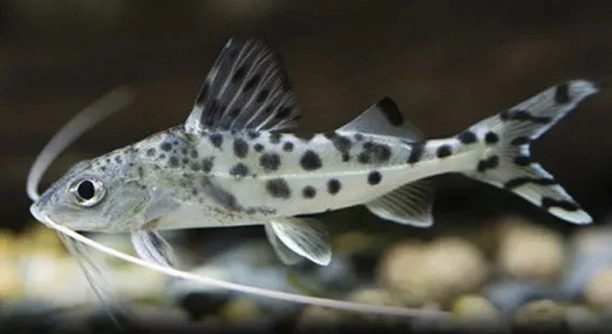
Many people enjoy keeping pictus catfish as part of their home aquariums. These fish are known for their active behavior and unique appearance. Watching them thrive can bring a lot of joy to any fish enthusiast.
Unhappy pictus catfish often show signs such as loss of appetite, lethargy, unusual swimming patterns, and changes in coloration. Stress factors like poor water quality, improper tank mates, or inadequate diet contribute to their discomfort. Identifying these warning signs early is essential to maintain their well-being.
Recognizing these behaviors can help you provide a better environment for your fish. Knowing what to look for ensures you can act before problems worsen. This guide will help you keep your pictus catfish healthy and happy.
Loss of Appetite
When a pictus catfish stops eating or shows less interest in food, it can be a clear sign of unhappiness or stress. This behavior might seem small, but it usually points to an underlying problem. The fish could be uncomfortable due to water conditions, tank size, or the presence of aggressive tank mates. Sometimes, sudden changes in diet or environment cause them to refuse food. It’s important to check if the food is fresh and suitable for their needs. Observing their eating habits regularly helps catch these changes early before they affect the fish’s health seriously.
Loss of appetite often signals stress or illness in pictus catfish. Early attention is key to preventing further decline.
Feeding your pictus catfish a varied diet and maintaining clean water are vital. If your fish refuses food for more than a day or two, check water parameters like ammonia, nitrite, and nitrate levels. Poor water quality is a common cause of stress that reduces appetite. Also, review tank mates; aggressive fish can scare your catfish and prevent them from feeding. Adjusting these factors quickly often helps the fish regain its normal eating habits and overall health.
Erratic Swimming Patterns
Erratic swimming, such as darting around, swimming upside down, or floating near the surface, often signals distress. These unusual movements can indicate discomfort or poor water quality. In some cases, the fish may be reacting to parasites or infections. Sometimes, the tank environment is not meeting their needs, causing confusion or fear. Watching how your pictus catfish moves daily can help spot these problems early. Addressing water issues or health problems quickly improves their well-being.
Erratic swimming shows the fish is uncomfortable and may need immediate care.
If your pictus catfish suddenly starts swimming oddly, check the tank for stressors. This includes testing water quality and observing other fish behavior. Changes in water temperature, high ammonia, or overcrowding can cause stress. Illnesses such as swim bladder disease or parasites might also be the reason. Treating water issues and consulting a vet or aquatic specialist when illness is suspected will help your catfish return to normal swimming patterns. Creating a calm, stable environment is essential for their happiness and health.
Changes in Coloration
Pictus catfish may lose their bright spots or become pale when unhappy. This color change often means they are stressed or ill.
Color fading can result from poor water quality, illness, or stress caused by overcrowding. The spots may become dull, and the fish might look less vibrant than usual. Stress weakens their immune system, making them more vulnerable to disease.
If you notice your catfish’s colors changing, start by testing the water for toxins and checking the temperature. Improving water conditions and reducing stressors usually helps the fish regain its normal colors. Treat illnesses promptly if other symptoms appear.
Hiding Behavior
Sudden hiding or spending too much time in shelters often shows discomfort. This behavior can indicate stress or fear.
Hiding is a natural defense, but excessive hiding means something is wrong. Changes in tank setup, aggressive tank mates, or poor water conditions can cause this. Your catfish might feel unsafe or sick. It’s important to observe their environment and make necessary adjustments. Adding more hiding spots while improving water quality can help. If the fish continues hiding after changes, illness could be the cause, and professional advice may be needed to identify the problem and treat it properly.
Lethargy and Inactivity
Lethargy in pictus catfish means they are less active than usual. This can indicate poor health or stress.
Inactive fish often stay at the bottom or hide for long periods. Lack of movement is a sign to check tank conditions and possible illnesses.
Clamped Fins
Clamped fins occur when a fish holds its fins close to its body instead of spreading them out. This usually signals stress or illness.
Common causes include poor water quality, parasites, or sudden changes in the environment. Monitoring and improving tank conditions often helps restore healthy fin movement.
Rapid Gill Movement
Rapid gill movement means your pictus catfish is breathing faster than normal. This can signal low oxygen or stress.
Check water quality and aeration to ensure enough oxygen. Poor conditions may cause your fish discomfort and breathing difficulty.
How do I know if my pictus catfish is stressed?
Signs of stress in pictus catfish include loss of appetite, unusual swimming behavior, clamped fins, pale coloration, and excessive hiding. They may also breathe rapidly or become lethargic. Monitoring these changes closely helps catch stress early, allowing you to improve their environment quickly.
What causes pictus catfish to become unhappy?
Unhappiness in pictus catfish is often caused by poor water quality, sudden changes in temperature, overcrowded tanks, aggressive tank mates, or improper diet. Stressful environments weaken their immune systems and can lead to illness. Keeping water clean and stable and providing proper care are key to their happiness.
Can poor water quality make my pictus catfish sick?
Yes, poor water quality is a major cause of stress and illness. High ammonia, nitrite, or nitrate levels, as well as low oxygen, affect their health. Regular water testing and partial water changes keep their environment safe and comfortable.
Why is my pictus catfish hiding all the time?
Hiding can mean your fish feels unsafe or stressed. Aggressive tank mates, sudden tank changes, or illness may cause this. Ensure the tank has enough hiding places, reduce aggression, and check water parameters to help your catfish feel secure.
How often should I feed my pictus catfish?
Feeding pictus catfish once or twice daily with a balanced diet is ideal. Avoid overfeeding, which can pollute the tank and harm their health. Offer sinking pellets or frozen foods designed for bottom feeders to meet their nutritional needs.
What tank size is best for pictus catfish?
A tank of at least 30 gallons is recommended for pictus catfish since they are active swimmers. Larger tanks allow more swimming space and help maintain stable water conditions, reducing stress and promoting their well-being.
Are pictus catfish social fish?
Yes, pictus catfish are social and prefer to live in groups of at least five. Keeping them in groups reduces stress and encourages natural behavior, making them more active and comfortable.
What water temperature do pictus catfish prefer?
Pictus catfish thrive in temperatures between 72°F and 78°F (22°C–26°C). Maintaining a stable temperature within this range supports their metabolism and health. Sudden temperature changes can cause stress and illness.
How can I improve the tank environment for my pictus catfish?
Ensure clean water by performing regular partial water changes and monitoring parameters. Provide hiding spots with plants or decorations. Avoid aggressive fish and maintain proper temperature and oxygen levels. A well-maintained tank creates a comfortable home for your catfish.
When should I consult a vet for my pictus catfish?
If your fish shows persistent signs of illness like clamped fins, loss of appetite, erratic swimming, or color changes despite good water quality and care, consult an aquatic vet. Early diagnosis helps treat diseases before they worsen.
Caring for a pictus catfish means paying close attention to their behavior and environment. These fish are active and social, but they can show signs of unhappiness when something is wrong. Watching for changes like loss of appetite, hiding, or unusual swimming helps catch problems early. Regularly checking water quality and keeping their tank clean is very important. Good water conditions support their health and reduce stress, which keeps your fish happy.
Understanding your pictus catfish’s needs makes a big difference. They prefer a stable, well-maintained tank with enough space and suitable tank mates. Feeding them the right diet and giving them hiding places helps them feel safe. Sometimes, small changes in the tank or routine can upset them, so it is important to be consistent and careful when making adjustments. If your fish seems unwell, quick action to improve its environment or consult an expert is the best way to help.
Overall, pictus catfish are rewarding pets when their needs are met. Their unique patterns and lively behavior add interest to any aquarium. Paying attention to their warning signs and responding with care will ensure they live a healthy and comfortable life. Being observant and patient allows you to enjoy your fish while giving them the best care possible.

Hello,
If you enjoy the content that we create, please consider saying a "Thank You!" by leaving a tip.
Every little bit helps us continue crafting quality advice that supports the health, happiness, and well-being of pets around the world, for pets of all shapes, sizes, and species.
We really appreciate the kindness and support that you show us!